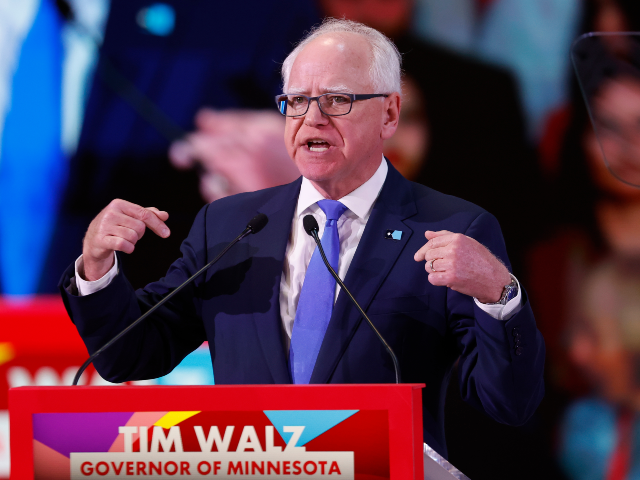
A federal judge has blocked Department of Justice subpoenas targeting Minnesota Governor Tim Walz and several other state Democratic officials, in a decision that is now fueling a broader debate over the limits of federal investigative authority and the political tensions surrounding ongoing inquiries into alleged corruption and governance in the state.
According to reporting cited by Politico, U.S. District Judge Patrick Schiltz issued the ruling on June 17, with the decision later becoming public on Monday.
The subpoenas were reportedly connected to a federal grand jury investigation involving allegations tied to corruption networks and political relationships in Minnesota, including claims referenced in public debate involving Somali community-linked fraud concerns and state-level oversight.
The Department of Justice had issued subpoenas earlier in the year seeking testimony and records from multiple high-profile Minnesota officials, including Minneapolis Mayor Jacob Frey, St. Paul Mayor Kaohly Her, Minnesota Attorney General Keith Ellison, and Hennepin County Attorney Mary Moriarty.
Judge Schiltz’s ruling sharply criticized what he described as the improper use of the grand jury process, arguing that criminal investigations cannot be used as a tool to exert political pressure on elected officials.
The judge further stated that initiating investigations to coerce political actors or influence policy decisions would constitute an unlawful and unethical use of prosecutorial authority.
The ruling also referenced broader constitutional principles regarding the limits of federal power over state governments, including the longstanding doctrine that the federal government cannot compel states to enforce federal law directly.
At the center of the legal reasoning was the question of intent — whether the subpoenas were part of a legitimate investigative process or whether they were being used in a way that could be interpreted as politically motivated pressure.
The case has also drawn attention because of its broader political context.
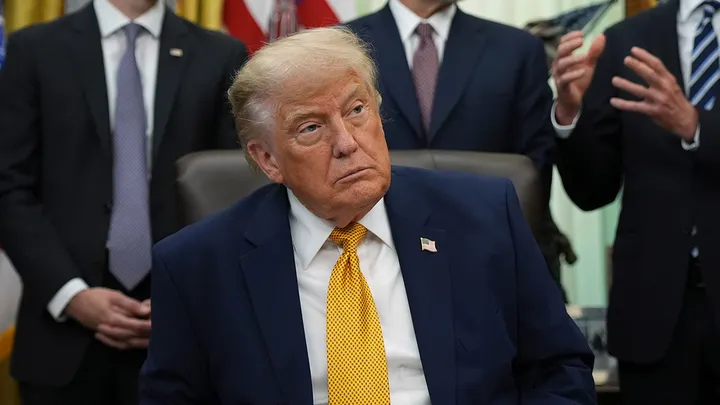
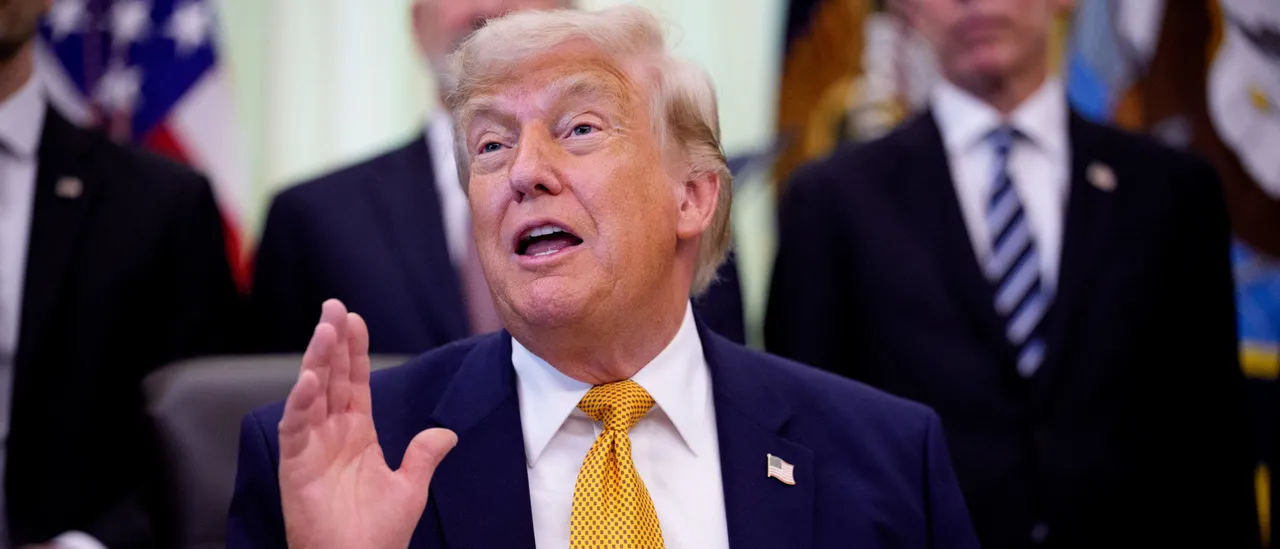
The judge cited prior public statements and political rhetoric involving President Donald Trump, including references to “retribution,” as part of the surrounding environment in which the subpoenas were issued — a point that has become a flashpoint in the political interpretation of the ruling.
The subpoenas in question were issued earlier this year as part of a broader federal inquiry that has drawn national attention and intensified partisan debate over immigration enforcement, public integrity investigations, and state-federal cooperation.
For now, the judge’s decision halts enforcement of those subpoenas, but the broader legal and political questions remain unresolved.
And as with many cases involving federal power and state leadership, the underlying dispute is unlikely to end in the courtroom alone.