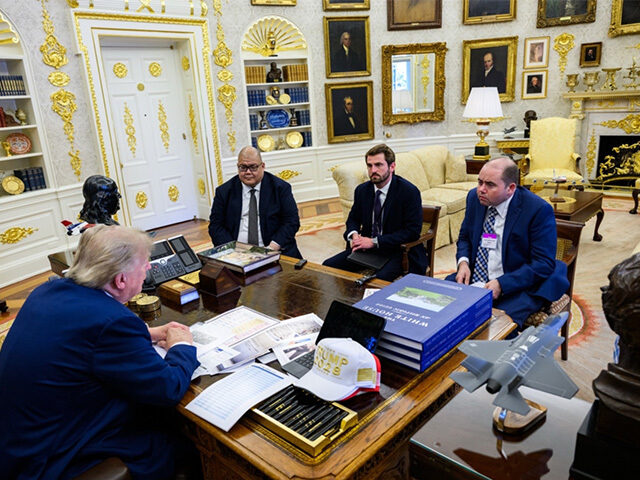
Another federal judge has stepped into the battle over election administration, blocking the U.S. Postal Service from enforcing President Donald Trump’s executive order aimed at tightening oversight of mail-in voting.
On Wednesday, U.S. District Judge Emmet Sullivan issued a nationwide order preventing the Postal Service from carrying out the president’s directive, which would have required states to provide lists of mail-in voters before election ballots could be transmitted through the mail, along with other requirements designed to strengthen election procedures.
Rather than allowing the policy to take effect, Sullivan concluded that the order conflicts with a settlement reached after a 2020 lawsuit between the U.S. Postal Service and the NAACP.
According to the judge, that agreement gave the federal courts continuing authority to oversee Postal Service actions involving the "monitoring and timely delivery of Election Mail." On that basis, Sullivan ruled that the Postal Service cannot implement Trump's directive while the settlement remains in force.
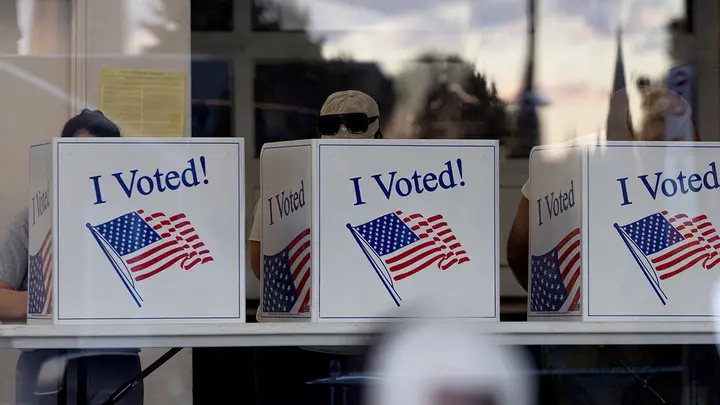
The decision marks the latest chapter in the ongoing legal fight over election integrity—a debate that has remained at the forefront of American politics since the unprecedented expansion of mail-in voting in recent election cycles.
President Trump has consistently argued that commonsense safeguards are essential to protecting public confidence in elections. Requiring accurate voter lists before ballots are distributed, supporters contend, is a basic accountability measure intended to ensure election systems remain secure and transparent.
Instead, the administration's effort now faces another judicial roadblock.
The ruling is also likely to fuel broader questions about the role of the federal judiciary in shaping election policy. While courts are tasked with interpreting the law, critics argue that nationwide injunctions have increasingly become a tool for blocking executive actions before they can be fully implemented, particularly on issues involving immigration, elections, and executive authority.
For millions of Americans, confidence in elections depends not only on access to the ballot but also on safeguards that ensure every lawful vote is counted and the process remains transparent. As the legal battles continue, the larger question remains unresolved: who should set the rules governing America's elections—the elected branches accountable to voters or judges interpreting prior agreements? That debate is certain to continue as the nation moves toward future elections, where public trust will remain just as important as the final vote count.