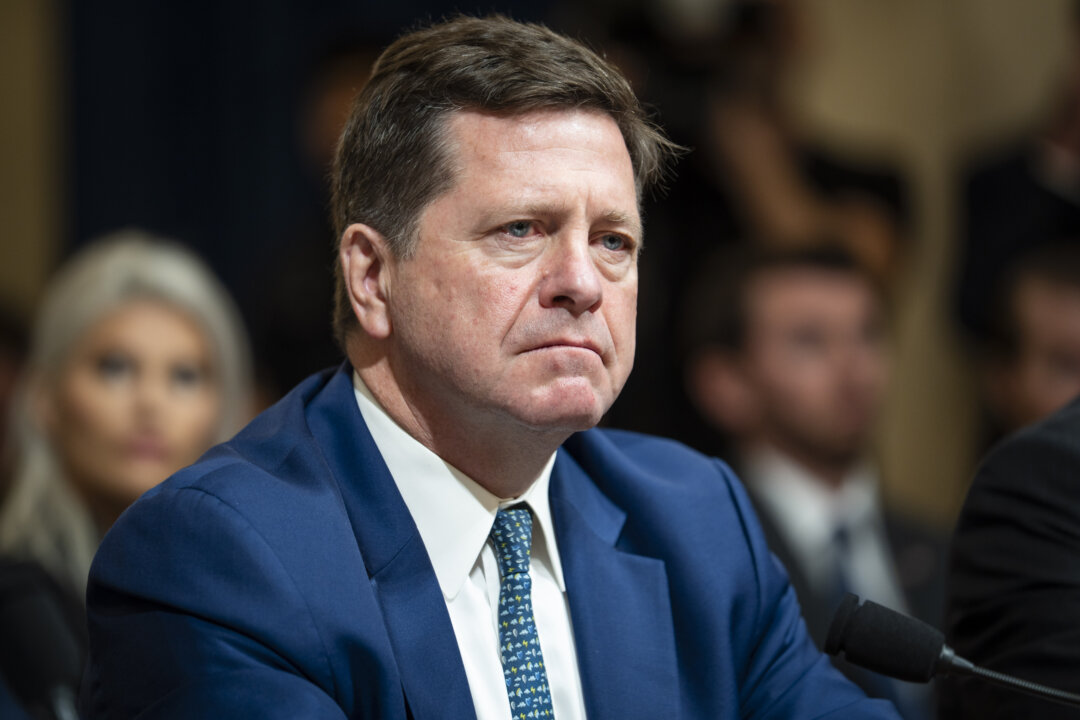
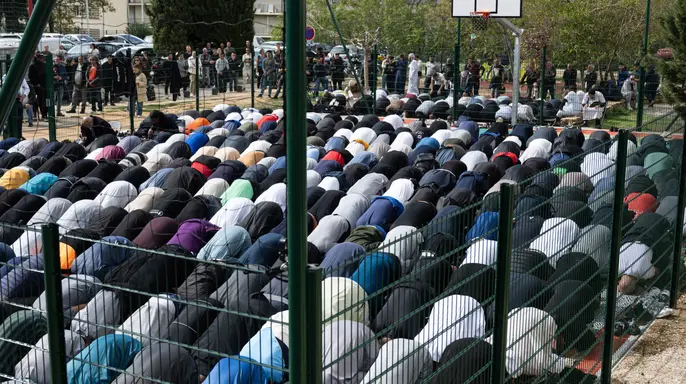
A disturbing new proposal in New Jersey, ostensibly aimed at fighting anti-Muslim discrimination, is drawing sharp criticism for potentially ushering in a chilling effect on free speech. A former Navy SEAL and seasoned lawyer has sounded the alarm, warning that the legislation could force Americans to 'think twice' before daring to criticize religious or political ideologies.
Bill Brown, a partner at Parlatore Law Group, told Fox News Digital that Assembly Bill 1146, while claiming to preserve First Amendment rights, contains language so broad and vague that it poses a direct threat to public debate. In a nation founded on the principles of free expression, the notion that the government could dictate what constitutes acceptable criticism of any religion is nothing short of alarming.
"The mere threat of state scrutiny is a direct assault on public debate," Brown asserted, cutting to the heart of the matter. This isn't just about what might be legally prosecuted; it's about the fear of investigation, the burden of scrutiny, and the self-censorship that inevitably follows when government begins to define permissible thought.
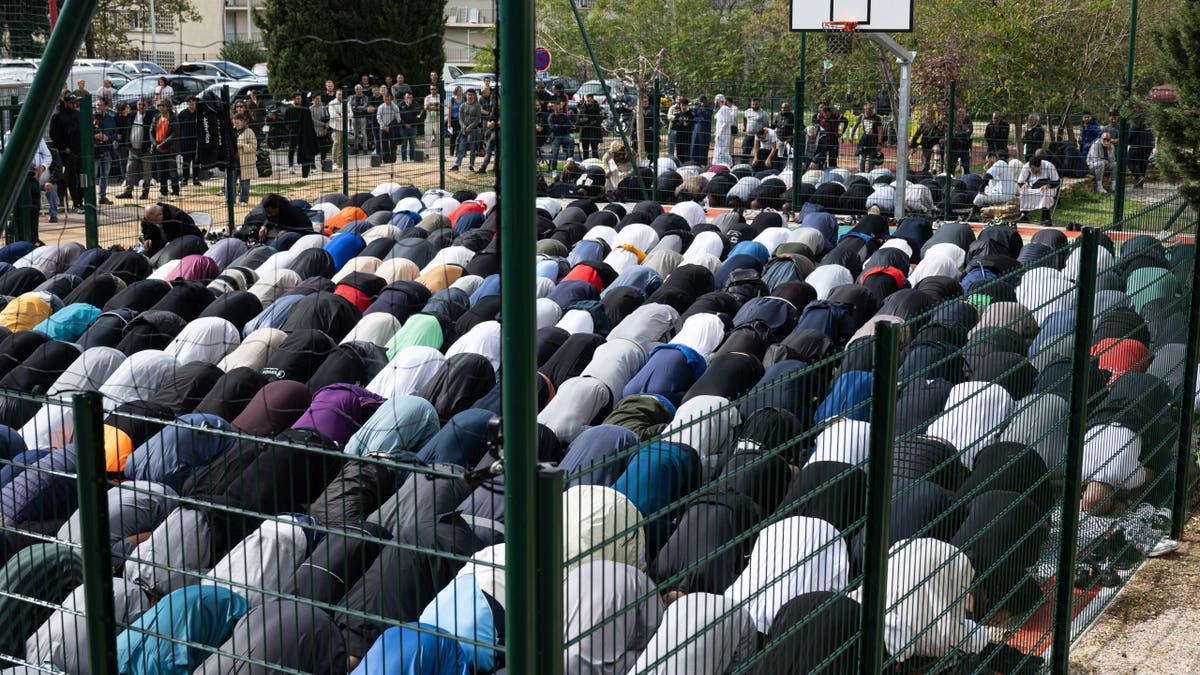
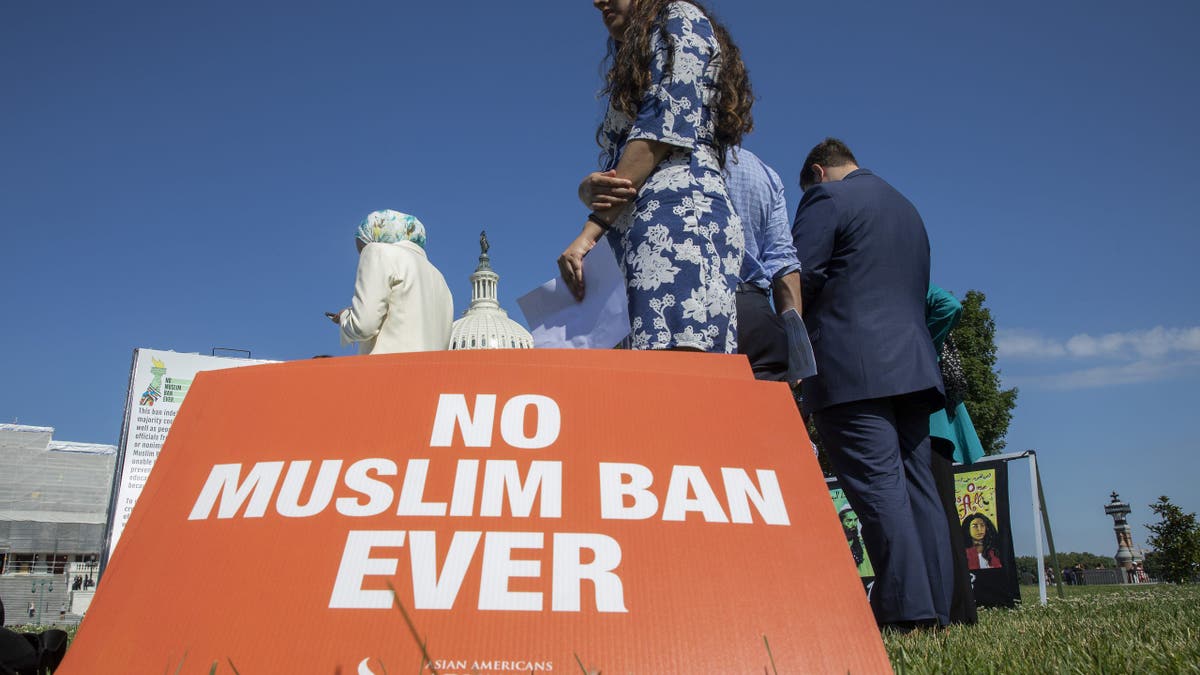
The New Jersey proposal seeks to establish a state-sanctioned definition of 'Islamophobia' for public officials and law enforcement to 'consider' when evaluating alleged discriminatory acts motivated by anti-Muslim bias. On its face, this might sound like a noble goal, but as Brown points out, requiring officials to use a definition that could encompass 'harsh criticism and other speech' is a recipe for disaster for constitutional liberties.
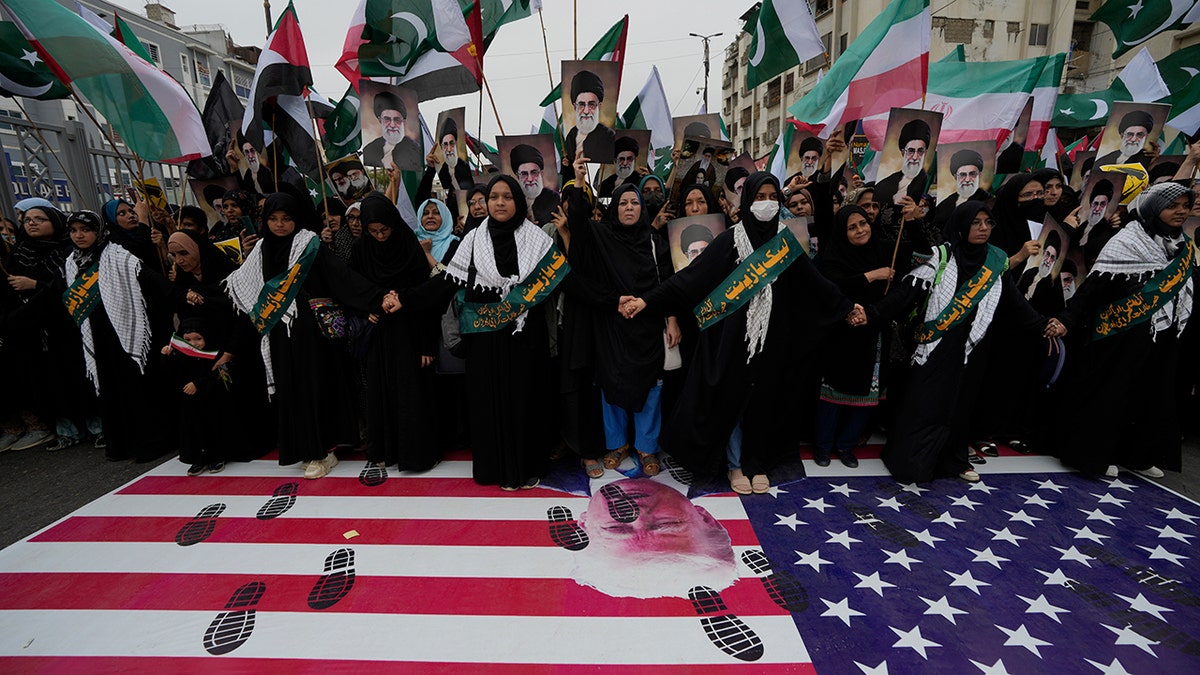
"The First Amendment guarantees that no religion or theology is immune to criticism," Brown emphasized, articulating a foundational American value. Yet, this bill, championed by Democratic Assemblyman Joe Danielsen and co-sponsors, includes in its definition 'hatred or severe disparagement towards Muslim persons or their culture,' as well as 'rhetorical, violent, or physical anti-Muslim manifestations.' This broad language dangerously blurs the lines between actual threats or violence – which are already illegal – and mere criticism, dissent, or robust debate.
Even with a clause claiming to protect First Amendment rights, Brown argues that the very prospect of state inquiry, regardless of a case's ultimate outcome, is enough to stifle open discussion. This is the insidious nature of such legislation: it creates a 'chilling effect' where citizens, fearing governmental reprisal or harassment, simply choose to remain silent.
Perhaps most concerning, the bill's legislative findings mention 'anti-Islamism' as potentially describing the same characteristics as 'Islamophobia.' This blurring of terms is not accidental; it's a profound misdirection. "Islamism is a distinct geopolitical movement," Brown explained. "It’s not just a religious faith." Conflating legitimate criticism of a political ideology with prejudice against a religious group is a tactic often used to shut down vital conversations about national security and foreign policy.

Brown courageously labeled the proposal a "backdoor blasphemy law" – a stark warning that should resonate deeply with every American who cherishes freedom of conscience. Government, he rightly contends, should protect people’s rights, not insulate religious beliefs from the public scrutiny that is essential to a vibrant democracy.
His concerns are informed by real-world experience, including his military service where he responded to suicide bombings in Iraq and remains committed to speaking out against jihadist ideology. For Brown, and for countless Americans, the core issue is whether citizens will retain the freedom to challenge ideas they oppose without fear of governmental reprisal or being labeled as bigoted.
"True diversity is diversity of thought," Brown powerfully concluded. New Jersey's bill, by attempting to institutionalize a definition of 'Islamophobia' that threatens legitimate criticism, moves America dangerously closer to a society where certain ideas are off-limits, and common sense and free expression are the first casualties. This is a battle for the soul of the First Amendment, and patriots must stand firm against such legislative overreach.