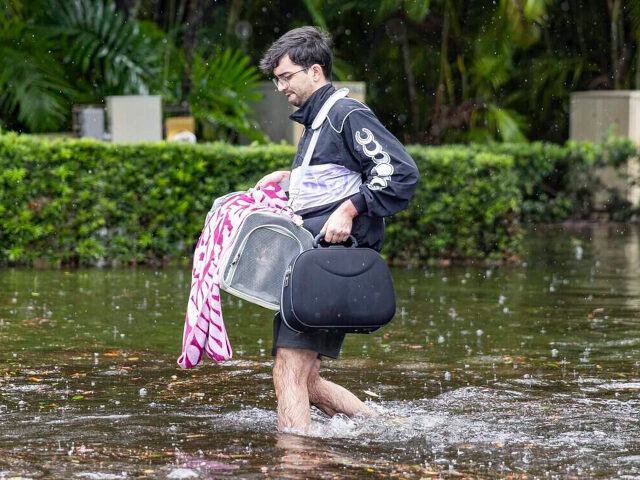
Florida is getting drenched, and the danger is moving north.
As relentless rainfall continues to overwhelm parts of the Sunshine State, Gov. Ron DeSantis has expanded the state of emergency to include four additional northern counties: St. Johns, Duval, Putnam, and Flagler.
The decision comes as an unusually powerful weather system continues dumping extraordinary amounts of rain across Florida, raising the threat of dangerous flooding, infrastructure damage, and disruptions to everyday life.
South Florida has already taken a serious beating. According to the emergency order, portions of Broward County, including Fort Lauderdale, Davie, and Hollywood, received more than 10 inches of rain in just 12 hours.
And the threat is far from over.
“Additional rainfall along the Florida East Coast over the next several days could impact previously flooded areas and cause additional damage to infrastructure and critical facilities,” the emergency order warned.
Now the focus is shifting toward northeastern Florida, where the National Weather Service's Jacksonville office has issued flood warnings along the Interstate 95 corridor through Saturday afternoon.
Forecasters are expecting another 3 to 6 inches of rainfall, with isolated locations potentially receiving as much as 10 inches.
That is particularly concerning because northern Florida has already recorded between 2 and 7 inches of rain over the previous three days.
The St. Johns River has also reached exceptionally high levels, with water levels surpassing 18 feet in Brevard County this week, according to the supplied reports. Some communities across the state have received well over a foot of rainfall.
The combination of saturated ground and additional precipitation creates dangerous conditions, particularly in areas that have already experienced flooding.
Wind is adding another complication. A wind advisory remains in effect along Florida's northeastern Atlantic coast through Saturday morning, with sustained winds of 20 to 30 mph and gusts reaching 35 to 40 mph.
The expanding emergency declaration reflects the growing geographic reach of the storm system. What began as a major rainfall threat in southern Florida is now placing additional northern communities in the path of potentially serious flooding.
Residents should take evacuation instructions and local emergency alerts seriously, avoid flooded roadways, and never attempt to drive through standing or moving floodwater.
Florida has faced its share of extreme weather, but the immediate priority is protecting lives, keeping critical infrastructure operating, and ensuring emergency responders have the resources they need.
The rain may eventually move on. The damage it leaves behind could take considerably longer to repair.