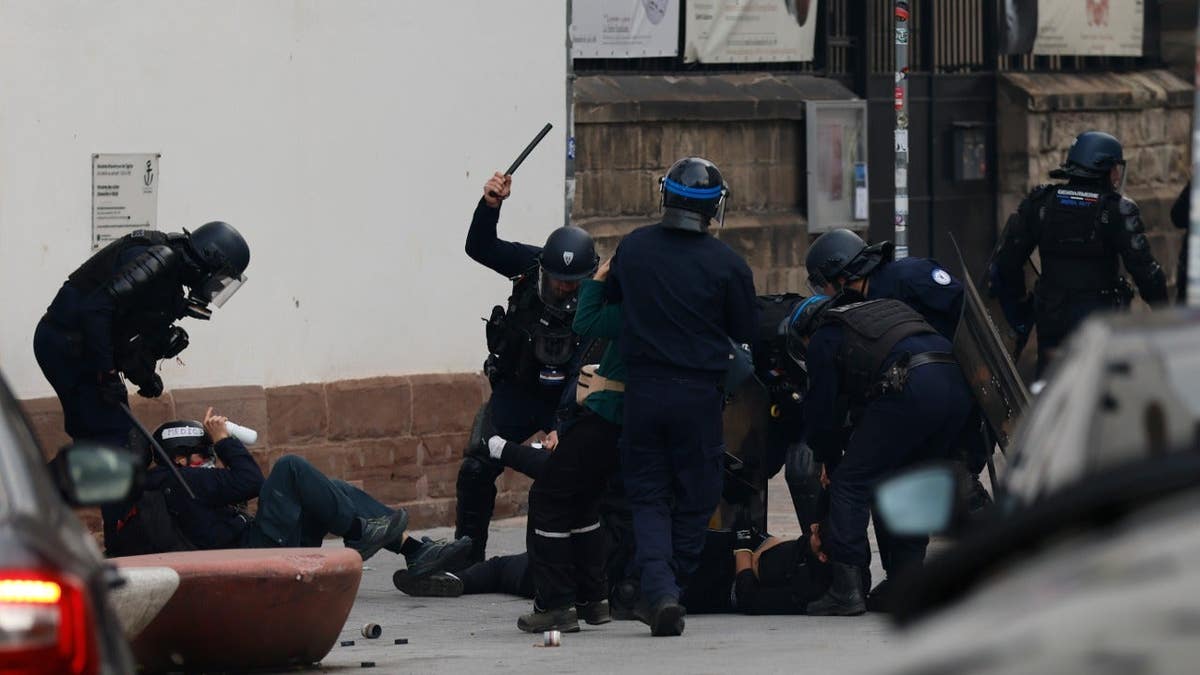
France descended further into chaos this past Saturday as nearly 1,000 individuals were arrested nationwide, a grim tally confirmed by Interior Minister Laurent Nuñez. This alarming figure underscores the escalating crisis gripping the nation, where routine protests have devolved into widespread unrest and violent confrontations.
Authorities took proactive measures, preemptively searching protesters and seizing potential weapons such as fireworks and ball bearings. This speaks volumes about the intentions of some participants, who clearly arrive at these demonstrations prepared not for peaceful dissent but for disturbance.

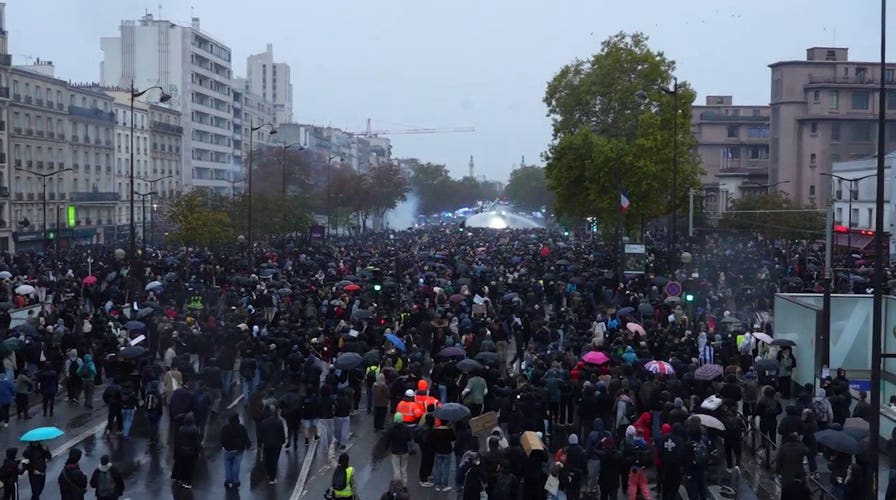
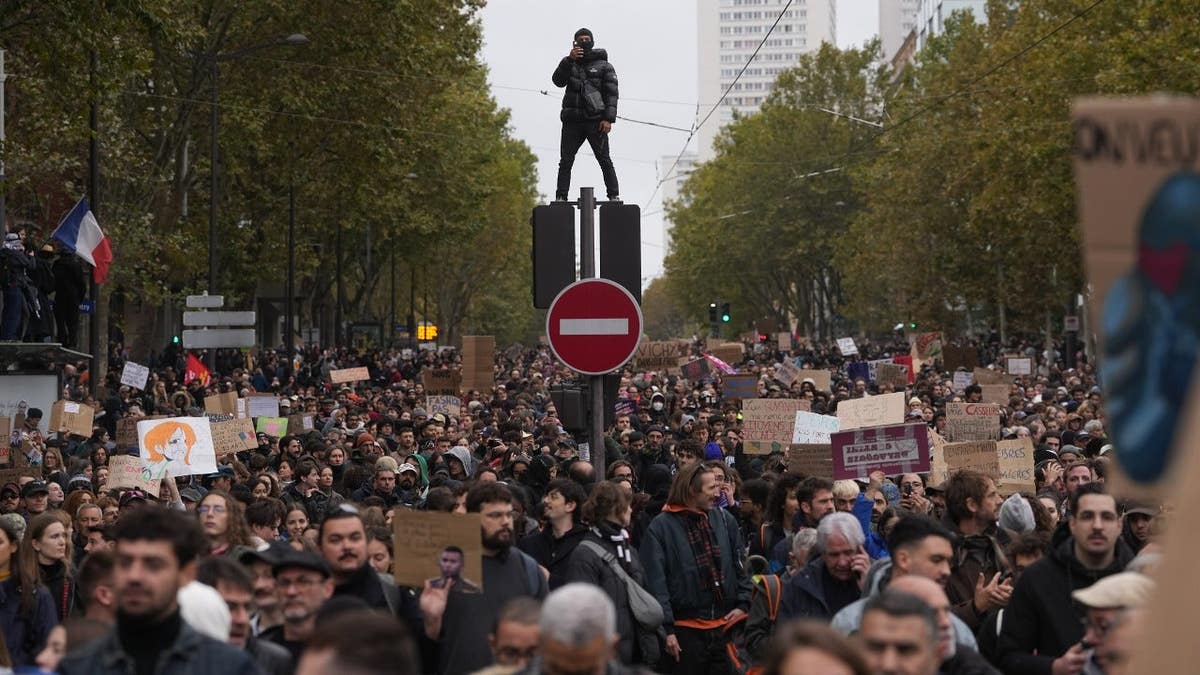
The epicenter of the turmoil, Paris, saw police conducting over 3,000 checks and making 65 arrests, even as an estimated 110,000 people marched through the streets. The Paris Police Department issued a firm warning, stating that "violent individuals have no place in the marches" and that their "objective is clear: to prevent troublemakers from joining the procession, and to ensure the safety of the demonstrators."
Indeed, central Paris bore the eerie resemblance of a city under siege, with shopkeepers boarding up storefronts, museums closing their doors, and more than 20 metro stations suspending service. The capital, once a beacon of culture, now finds itself bracing for disruption and destruction.
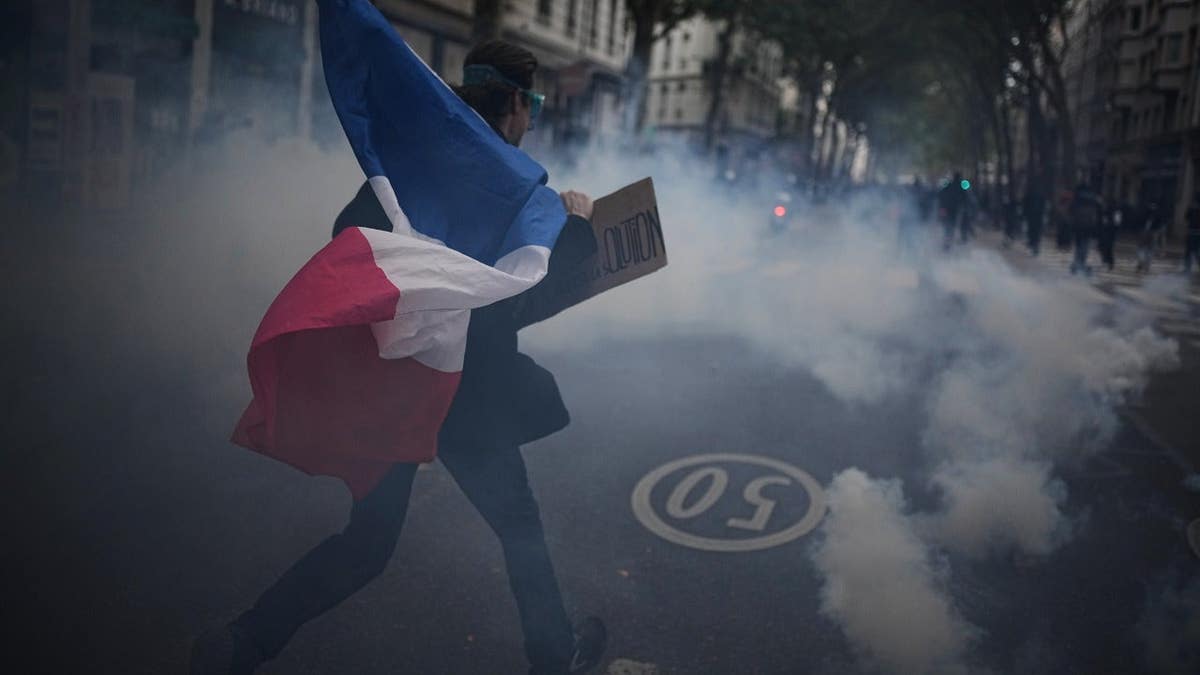
The instability was not confined to Paris. Cities like Clermont-Ferrand, Grenoble, Lille, and Nice witnessed police deploying tear gas to disperse unruly crowds. In Nice, water cannons were necessary to push back defiant demonstrators, while Marseille and Lyon experienced direct clashes between law enforcement and hooded youths. This is not mere protest; it is a breakdown of civil order.
In a desperate bid to restore control, some 70,000 police officers have been deployed across France. Their mission: to prevent a repeat of the unbridled savagery seen in recent demonstrations, which included cars being torched and the historic city hall building in Limoges being set ablaze. Just last weekend, over 2,700 arrests were made during what became rampant riots and looting sprees.
These nationwide marches, initially fueled by high school and university students frustrated with teacher shortages and deplorable school conditions, have morphed into a broader display of dissatisfaction. Major labor unions have since joined, expanding the protests to encompass grievances over government austerity policies, stagnant wages, pension reforms, and the ever-rising cost of living.
The situation highlights a profound crisis of governance and public trust in France. When a nation's government cannot maintain basic law and order, and its citizens are driven to such extremes, it raises serious questions about the direction and stability of the country. This chaos serves as a stark reminder of the paramount importance of strong, decisive leadership and a commitment to law and order, values that are foundational to a thriving society.