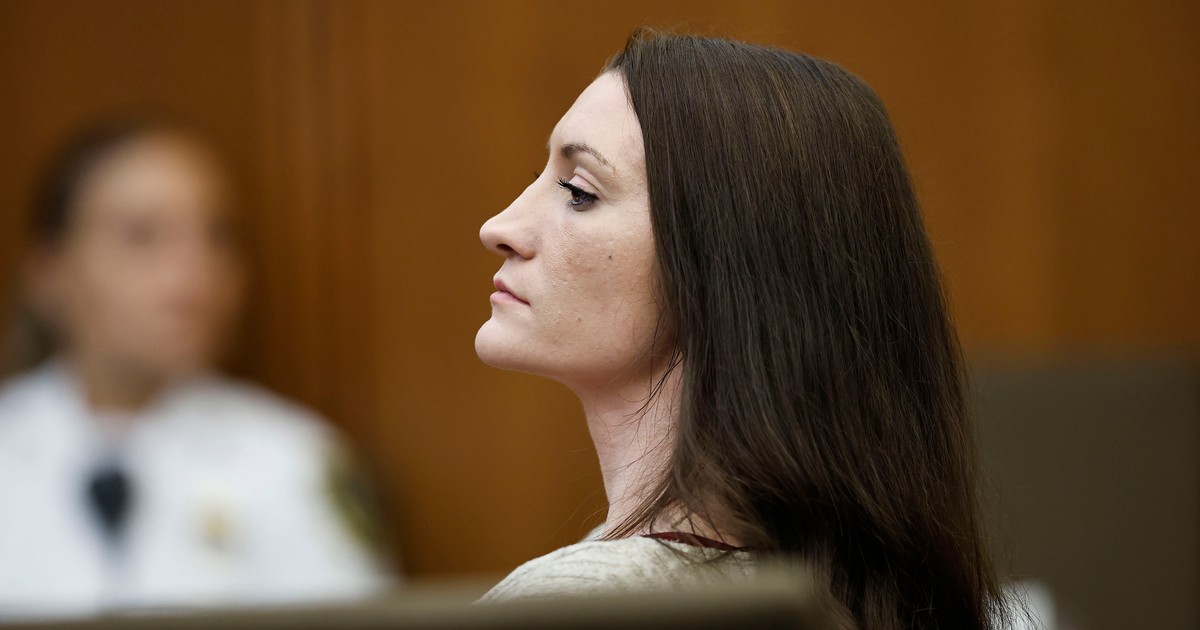
In a powerful rebuke to the narrative pushed by fellow jurors, the lone holdout in the Lindsay Clancy murder trial, Michael Desronvil, has finally spoken out, forcefully refuting claims he harbored "reasonable doubt" regarding her criminal responsibility for the brutal deaths of her three young children.
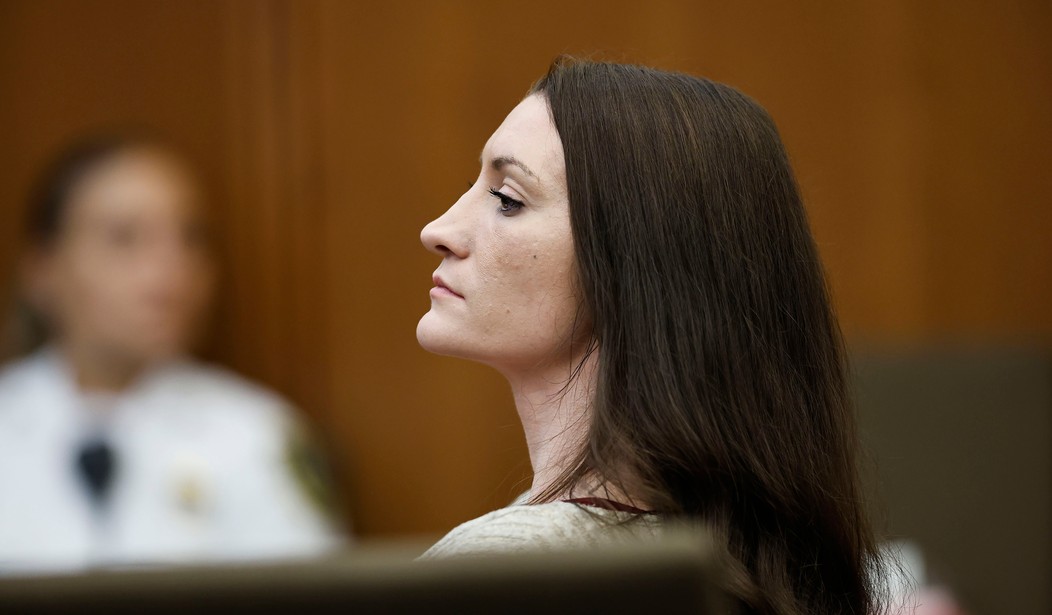
Desronvil's steadfast refusal to find Clancy "not criminally responsible" led to a mistrial in September, leaving many questioning the pursuit of justice for Cora, 5, Dawson, 3, and 8-month-old Callan. Following the deadlock, a faction of female jurors publicly criticized Desronvil, with the forewoman even suggesting he had acknowledged doubt but still wouldn't acquit. This attempt to undermine a juror's principled stand, frankly, is an affront to the integrity of the justice system.
Now, Desronvil sets the record straight. Speaking to Fox News' Kayleigh McEnany, he was unequivocal: he had "no reasonable doubt" and, contrary to the manufactured drama, possessed "a lot of evidence" supporting his firm position. This isn't about compromise; it's about holding fast to what the facts presented.
While he respectfully declined to delve into specific details as the case remains active, Desronvil illuminated the core of his conviction with one chilling word: "methodical." He described what he viewed as the "execution" of Clancy's children, a term that cuts through legal jargon to the horrifying reality of the crime. "That was really big for me," Desronvil revealed, "you know, from watching the video and also listening in the courtroom. The thought process that goes behind… to fulfill the commitment of doing that." This speaks volumes about the deliberation and intent he perceived.
The defense had painted a picture of postpartum psychosis, attempting to absolve Clancy of criminal responsibility. Prosecutors, however, argued her actions were coldly deliberate, demonstrating a clear understanding of the wrongness of her acts. For Desronvil, the evidence pointed squarely toward the latter, underscoring the vital principle of accountability.
The raw anguish captured in Patrick Clancy's 911 call also left an indelible mark on the juror. “Hearing the pain in his voice, hearing the desperation from that clip — it was surreal,” Desronvil shared. This profound human suffering, a stark consequence of the actions in question, weighed heavily on his conscience.
In the aftermath of the mistrial, Desronvil himself faced an unforgiving public microscope, enduring reporters swarming his home, sifting through his mail, and peering into his windows. Yet, this intense pressure failed to shake his resolve. He stands firm, without regret, on his decision.
As a status hearing looms for November 2, Michael Desronvil's courageous stance serves as a potent reminder that justice demands a full accounting, not just convenient consensus. His vote was not clouded by confusion or doubt, but forged by a clear-eyed assessment of the evidence, prioritizing law and order over an activist narrative. True justice, and the integrity of our judicial system, depend on individuals willing to stand firm for the truth, even when it means standing alone.