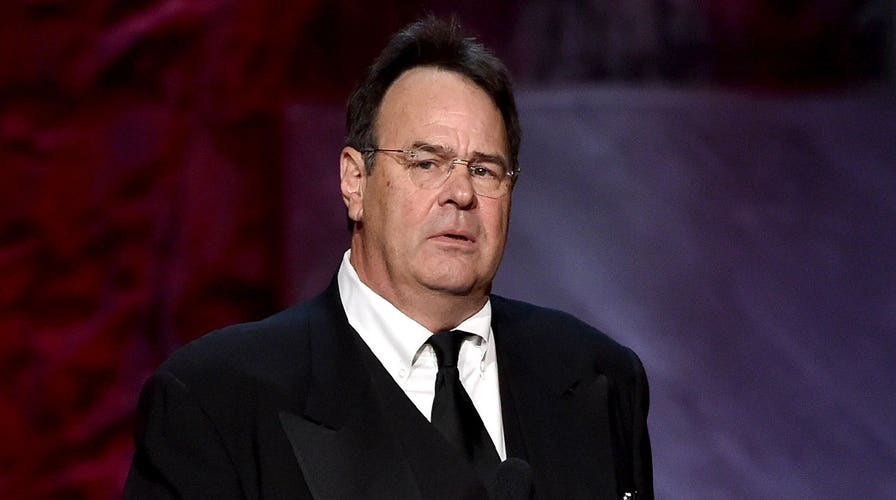
Hollywood icon Dan Aykroyd, known for his comedic genius and enduring roles, has offered a stark and revealing assessment of California, painting a grim picture of a state he believes has devolved into "medieval times." In contrast, the actor, a proud Canadian, lauded his home country for its peace and societal order, highlighting a profound disconnect between the two North American realities.
During a recently resurfaced clip from "The Adam Carolla Show," Aykroyd, 74, didn't mince words about the deteriorating conditions he observes in California. While waxing poetic about his Canadian roots and his Crystal Head Vodka, which he proudly noted is "made in Canada," Aykroyd underscored what he sees as a jarring disparity with life in the Golden State.
"It's great to be living in the western world," Aykroyd remarked, though his subsequent observations about California suggested a world increasingly out of sync with basic safety and stability. He recounted a poignant conversation with a friend from Israel who, visiting Aykroyd's bucolic Canadian farm, innocently asked, "Dan, what is it like to live in a land where there's no war?" The question served as a powerful reminder of the peace Aykroyd often takes for granted in Canada—a peace increasingly absent in areas of California.
Aykroyd then directly contrasted this tranquility with the harsh realities of supposedly idyllic California locales. He pointed to Santa Monica, a city often romanticized for its coastal charm, but where he observed a disturbing duality. "It's beautiful there, beautiful houses and beautiful shops and lovely wide boulevards and 60,000 homeless," Aykroyd stated bluntly. "So the underside and the overside will always, always be there."
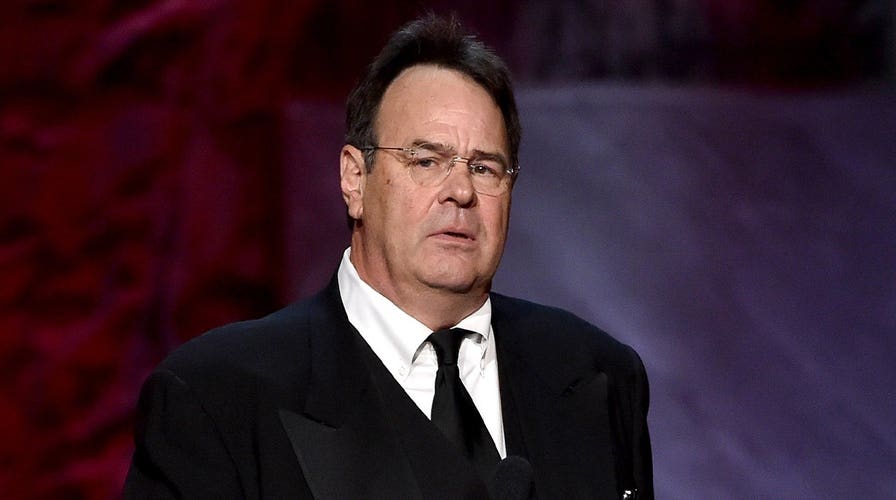
The actor's description of his daily life in California sounded more like a survival strategy than a relaxed existence. "We're living in frankly medieval times," he explained. "You go, I drive very carefully in the car. I don't drive prison hours at night, have a gated place to live ... lock up at night. Bring my family close, whereas really I would like to take my family and let them run in the park at 1 in the morning." The sobering conclusion: "But, no. We have to be so guarded now."

Carolla summarized the state's predicament: "That's where we're at, which is ultra rich and then people just expiring on the streets in squalor." Aykroyd's final comment on the matter, dripping with thinly veiled sarcasm, suggested a cynical view of the elite's potential for action: "Well, thankfully, knowing people like that, they're going to drive through their driveway, see that, and immediately start to act to try to alleviate and help in some way, because that's the kind of people they are."
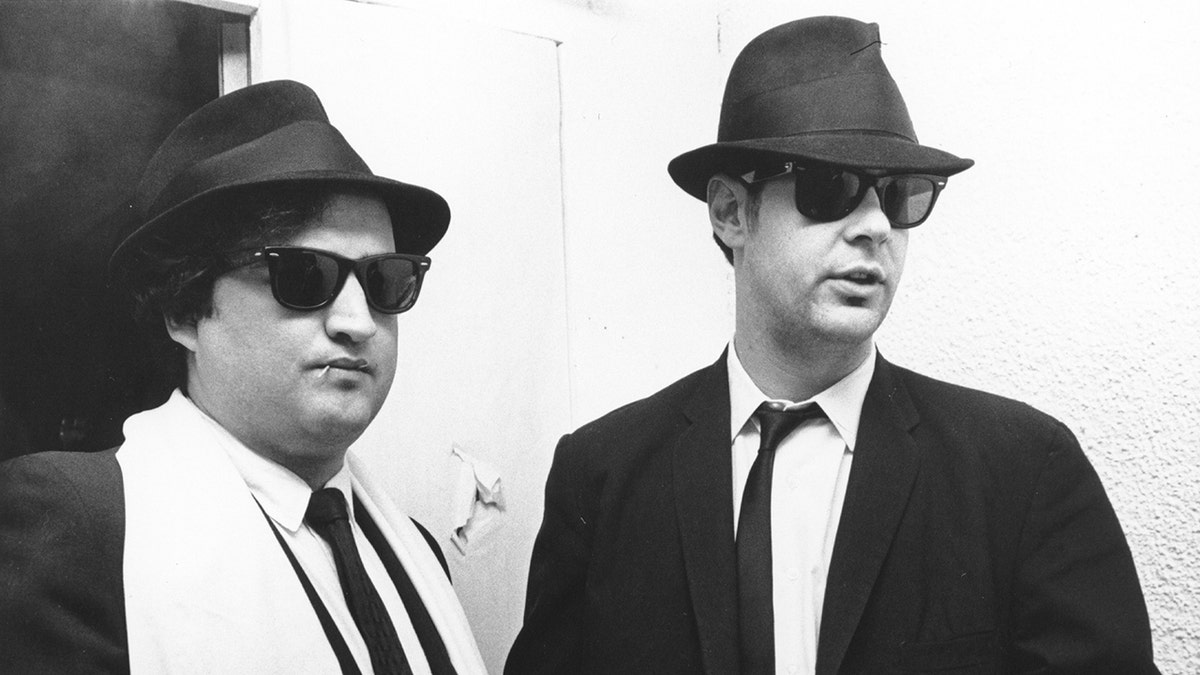
Aykroyd's candid remarks serve as a harsh indictment of California's progressive governance, where policies have seemingly led to a dramatic decline in public safety and an explosion of homelessness, transforming once-golden dreams into a troubling new reality. It's a stark reminder that unchecked left-wing policies, despite their lofty promises, often yield a society where basic freedoms and common sense are sacrificed, forcing citizens to live in a constant state of vigilance, a far cry from the ideals of American liberty and prosperity.