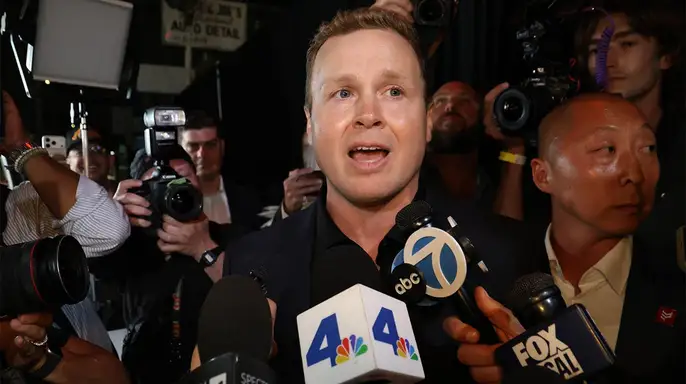
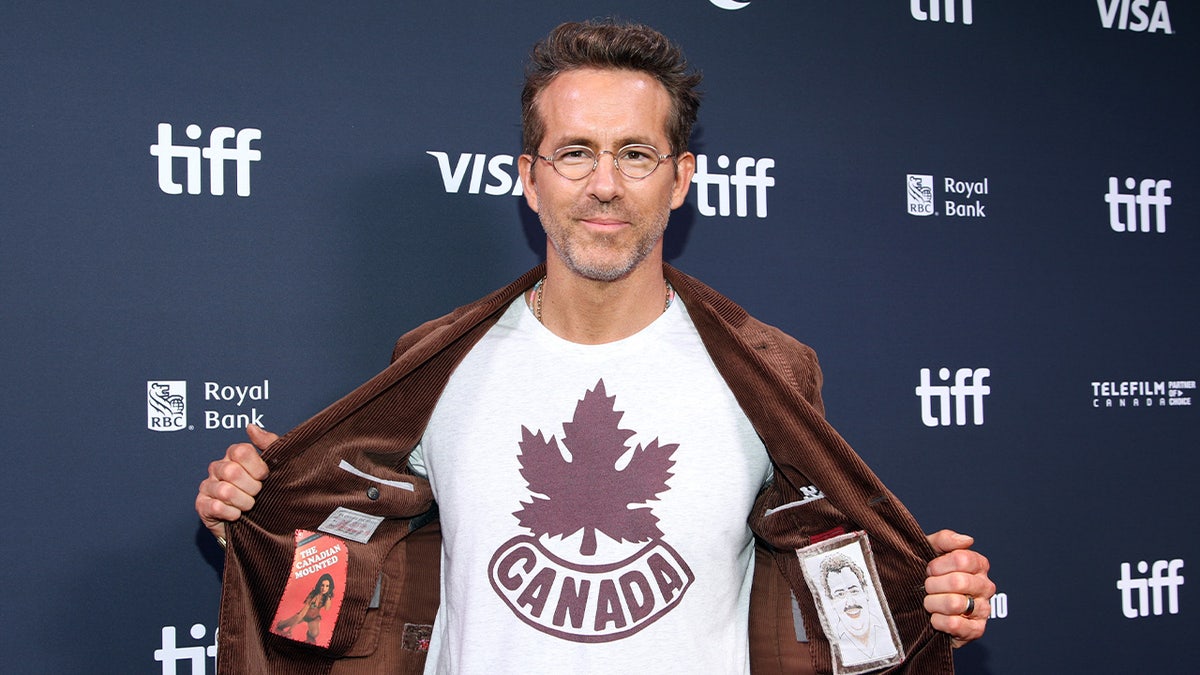
Hollywood, it seems, has a peculiar way of forgetting history, especially when that history inconveniently clashes with current woke narratives. Actor Ryan Reynolds, known for his snarky anti-hero roles, recently delivered a tone-deaf condemnation of the 1980s, labeling the decade a "brutal" and "f---ing mess." His remarks, made while promoting a Cold War-era film, quickly ignited a cultural firestorm, prompting a sharp rebuke from former reality TV star and California politician Spencer Pratt.
Reynolds, attempting to dismiss what he called a "lovely feeling associated" with past eras, argued that "people forget" the harsh realities of the 80s. "The '80s was a brutal, brutal time for people. It was a f---ing mess," he asserted, seemingly baffled by any lingering affection for a period many Americans remember with fondness.
But for those outside the Hollywood bubble, the 1980s represented a different reality: a time of burgeoning optimism, clear moral lines, and a celebration of genuine heroism. Spencer Pratt wasted no time challenging Reynolds' revisionist history, drawing a stark contrast between an era of cultural sanity and today's often inverted values.
"It makes perfect sense that Ryan Reynolds' view of the 80s is the inverse of what normal people think. In 80s movies, bad guys were villains. Today, the bad guys are the heroes. Hollywood now bends over backwards to redeem wickedness and mental illness," Pratt declared on X, exposing the widening chasm between the entertainment elite and everyday Americans.
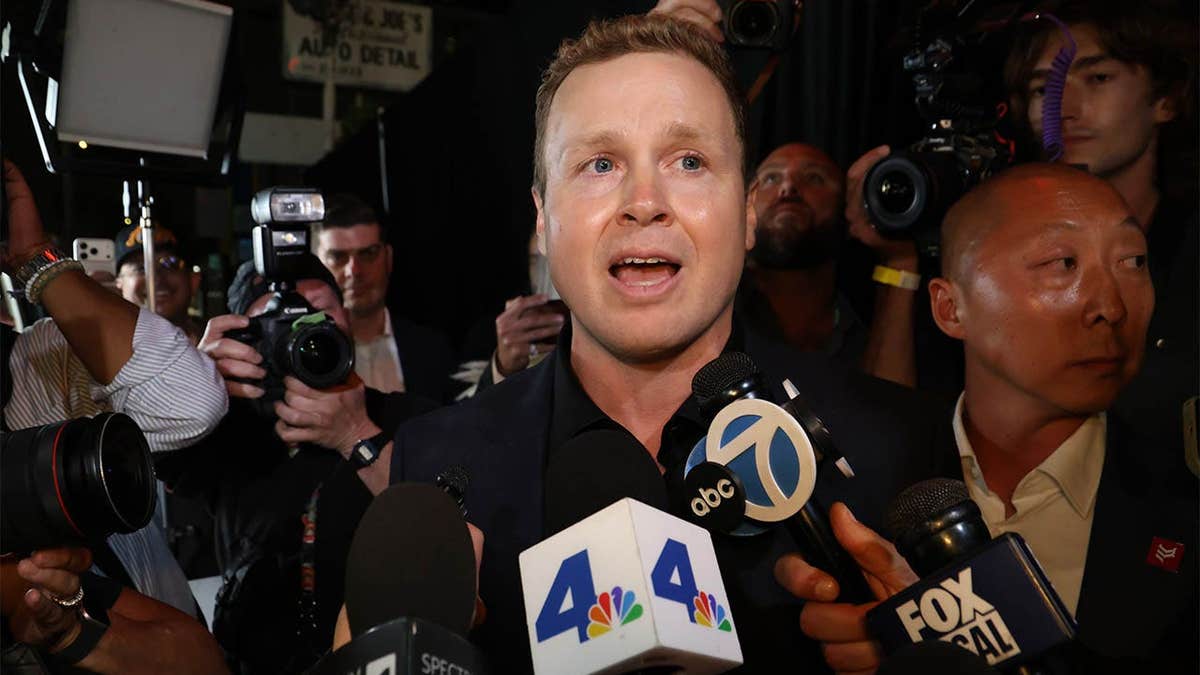
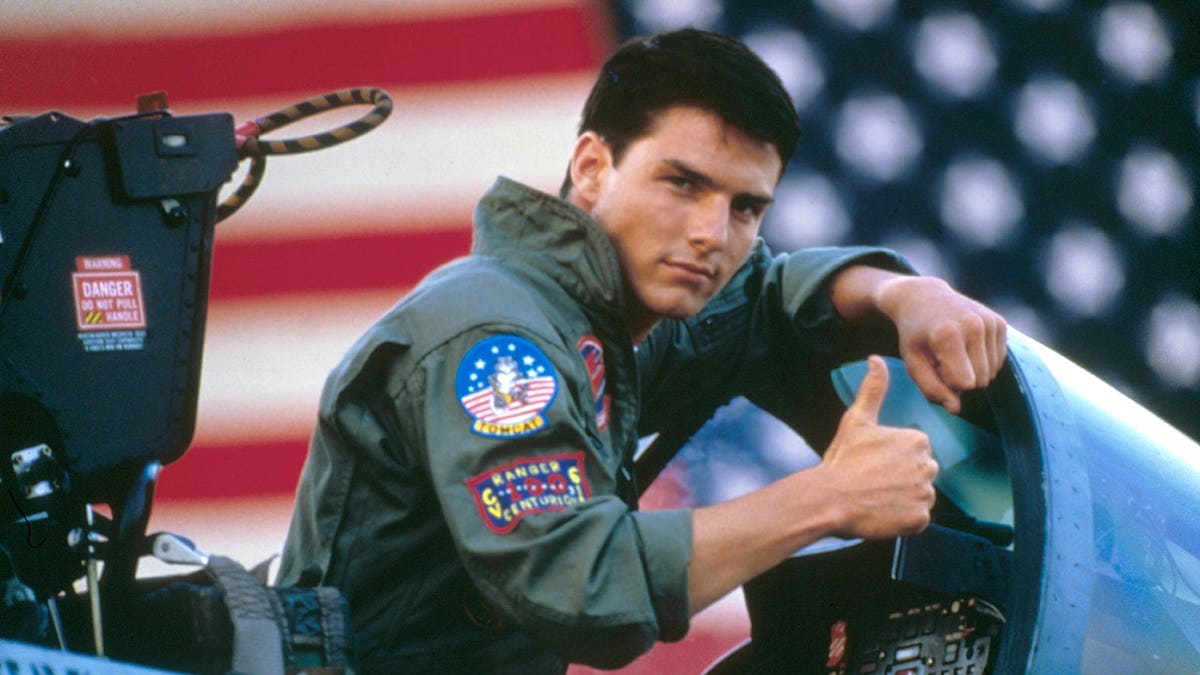
Pratt pointed to cinematic giants like "Top Gun" and its star, Tom Cruise, as exemplars of a "hero generation of cinema," directly contrasting them with Reynolds' own portrayal of characters like the wisecracking mercenary Deadpool, an anti-hero who blurs traditional moral boundaries. "Reynolds represents the anti-hero generation, and they are both byproducts of their own creations. Choose your path carefully, young man," Pratt advised, highlighting the profound shift in cultural storytelling.
This isn't merely a debate about movie preferences; it's a reflection of a deeper cultural battle, as Christian Toto, award-winning film critic and founder of Hollywood in Toto, explained. "Spencer Pratt's hot take suggests a sobering reality. Has pop culture's infatuation with anti-heroes had real-world implications?" Toto asked, noting how modern films frequently ask audiences to cheer on villains and morally ambiguous characters. From hitmen with "hearts of gold" to indie films turning antagonists into quasi-heroes, the trend is undeniable.
Toto concluded that while no decade is perfect, the 80s "lacked the cultural hand-wringing that weighs down so much of our lives today. It was a more simple time, and it's impossible not to miss that."
Adding a pointed political dimension, Theo Wold, former assistant attorney general and White House deputy assistant under President Donald Trump, directly skewered Reynolds' comments. "Ryan Reynolds forgot to do some thinking before he took a talking point from his celebrity cocktail hours and debuted it in public," Wold stated, cutting through the Hollywood spin.
Wold passionately defended the 80s as a period when America "enjoyed greater social cohesion and wider individual freedoms... Of course, Reynolds’ experience growing up in Canada might have been different — socialism was working just as poorly then as it is now." This served as a crucial reminder of the unique American spirit Reynolds seemed to dismiss.
And in a final, damning assessment of Reynolds' historical memory, Wold criticized the actor for citing the "Cuban Missile Crisis" – an event of the 1960s – to explain the 80s' supposed "brutality," while conveniently ignoring "the horrific crimes perpetrated by radical leftists like domestic terrorists Angela Davis and Bill Ayers."
The exchange serves as a potent reminder that the fight for America's cultural soul often plays out on unexpected battlefields. When Hollywood elites attempt to rewrite history and normalize moral ambiguity, it falls to voices of common sense like Spencer Pratt, backed by thoughtful conservatives, to champion the American values of clear right and wrong, heroism, and the enduring strength of our nation's past.