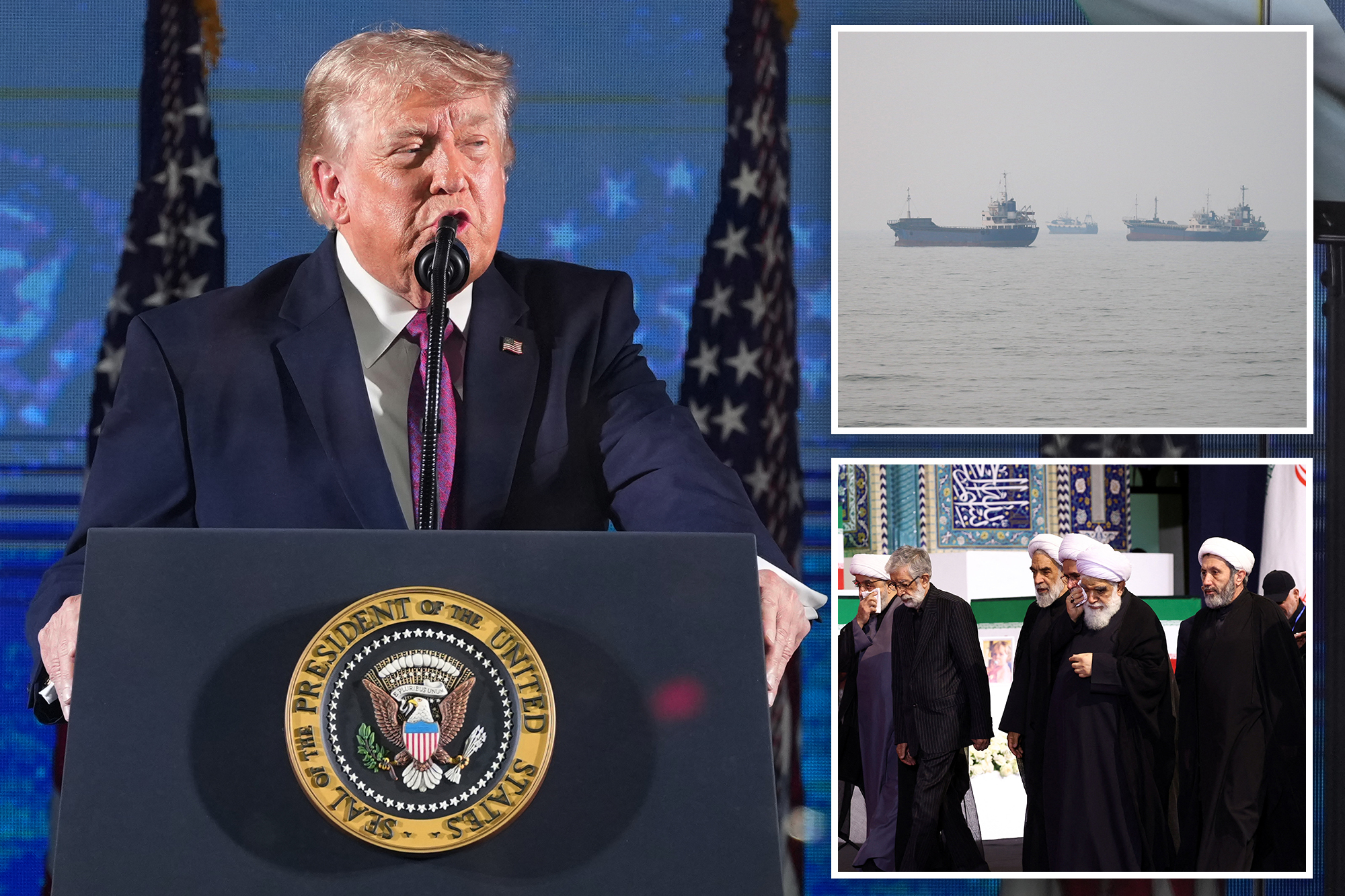
The world’s most sensitive oil chokepoint is suddenly moving again—and fast.
The Strait of Hormuz, long treated as a pressure valve for global energy panic, is seeing a sharp rebound in commercial traffic as President Donald Trump’s diplomatic push with Iran appears to be producing measurable results on the water.
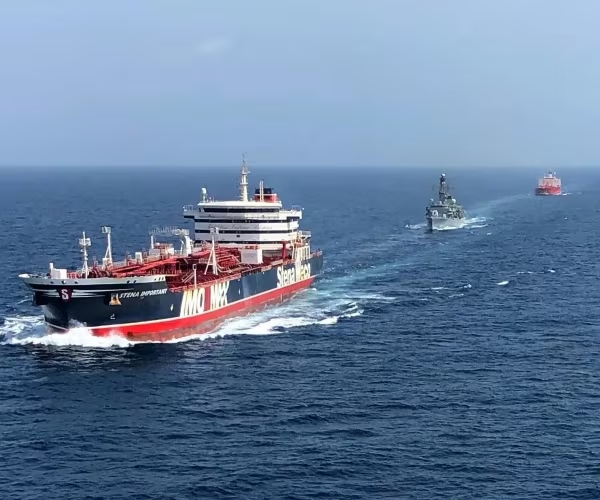
New maritime tracking data shows vessel transits through the strategic passage have more than quadrupled in just one week. Shipping companies, once hesitant and pricing in worst-case geopolitical risk, are now cautiously re-entering lanes through the Persian Gulf as the 60-day U.S.-Iran ceasefire holds and stability begins to look less like a theory and more like reality.
For months, global markets were bracing for prolonged disruption—higher energy costs, supply chain shocks, and the familiar chaos that follows tension in one of the world’s most critical shipping corridors. Instead, the direction has flipped. Tankers are moving, insurance risk is easing, and crude prices are responding downward as confidence slowly returns.
This is exactly the kind of outcome Trump’s foreign policy doctrine has always centered on: leverage, deterrence, and rapid stabilization rather than endless drift and diplomatic ambiguity. And for now, the results are showing up where it matters most—on the water, in the data, and in the global energy market.
The spike in activity does not mean every risk has vanished. Shipping firms remain cautious, and the region is still defined by hard security realities. But the trend line is unmistakable: commerce follows stability, and stability tends to follow strength.
For years, the Strait has been a symbol of how quickly global markets can be held hostage by geopolitical tension. Now, with traffic surging back, it is also becoming a test case for whether decisive diplomatic pressure can restore order faster than the usual cycle of escalation and hesitation.
And for the broader American economy, the implications are straightforward. More stable shipping routes mean fewer supply shocks, less volatility in energy prices, and a stronger position for U.S. consumers and producers who live with the downstream effects of every barrel of oil that moves through that narrow corridor.
At a time when global uncertainty has become the norm, the sudden return of shipping through the Strait of Hormuz is a reminder that leadership and deterrence still matter—and that when the right pressure is applied, even the world’s most volatile waterways can begin to steady.
Because in geopolitics, as in markets, confidence is everything. And right now, confidence is finally coming back online.