WASHINGTON, DC – While Washington's out-of-touch leftists bureaucrats love to lecture working families about economic anxiety, they routinely omit the most important part of the story: they built the very trap we are currently trying to escape.
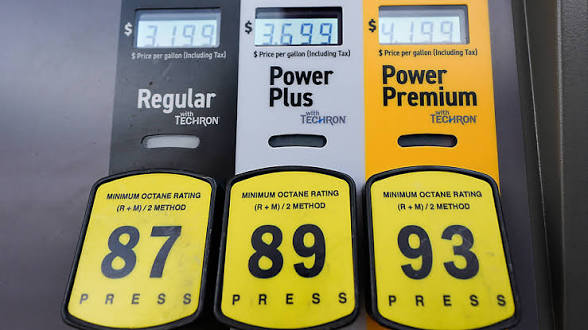
Pain at the pump doesn't happen in a vacuum. It starts with a suffocating regulation written by an eco-zealot who has never worried about the price of a tank of gas, a refinery fire in blue-state California, or a drone strike thousands of miles away. Right now, everyday Americans are footing the bill for all three. Gasoline and diesel prices reflect a delicate, interconnected chain of crude supply, refining capacity, and domestic transportation. Yet instead of protecting that infrastructure, the progressive establishment has spent years sabotaging it with red tape, hostile taxes, and ideological crackdowns.
That is why true energy independence must anchor the entire affordability debate—a reality overwhelmingly recognized by the public. In a recent nationwide poll, a staggering 89% of registered voters agreed that producing domestic energy lowers prices and secures economic control. Furthermore, 78% strongly backed increasing domestic oil production and slashing the senseless regulations that block refineries from turning crude into affordable gasoline.
Consider the cautionary tale of California, where progressive governance serves as a masterclass in self-inflicted economic ruin. When gasoline prices soared in 2022 despite falling crude costs, former Governor Gavin Newsom blamed "greedy oil companies" and predictably demanded another tax—as if making fuel more expensive to produce would somehow make it cheaper to buy.
Reality, however, quickly intervened. An actual refinery executive set the record straight for Newsom’s Energy Commission, explaining that California’s crushing regulatory burdens have forced refineries to completely close or shut down major units. That left regional supply chains dangerously brittle. When a fire knocked out Chevron’s El Segundo refinery just as Phillips 66 shuttered its Los Angeles facility, neighboring states like Arizona, Nevada, and Oregon were dragged down with them. Two more refineries have since closed in the Golden State, proving that cheap raw materials mean nothing when the facilities required to refine them vanish under government hostility.
That same vulnerability plagues our national security and foreign policy. When America relies on fuel supplies exposed to hostile foreign regimes, those actors gain direct leverage over our economy. Fortunately, the Trump administration is aggressively shifting the paradigm. Through Treasury Secretary Scott Bessent and Secretary of State Marco Rubio, Washington is actively targeting the shadow fleet sustaining Iran’s petroleum revenues—cornering a rogue regime and driving down long-term oil pressures.
Yet international shocks still hit home, particularly through diesel supply chains. As foreign conflicts and drone strikes target foreign energy infrastructure, questions naturally arise about domestic exports. But as industry experts note, abruptly halting exports is like slamming the emergency brakes on a runaway freight train; without adequate midstream storage, pipeline capacity, and transportation logistics, sudden bans would break the supply chain rather than fix it.
To achieve true resilience, Congress must act decisively—whether by reforming the Jones Act or issuing targeted waivers to slash domestic shipping costs, and by reining in the destructive, localized fuel-blend mandates that trap regional markets in artificial monopolies.
Americans cannot control where foreign drones strike or prevent every localized accident. But we can stop kneecapping our own economic survival with policies that close refineries, punish production, and reward incompetence. Energy independence isn't just a political slogan—it is the only way to stop paying for everyone else’s chaos.