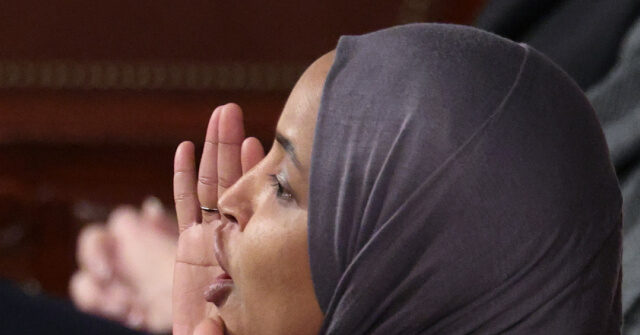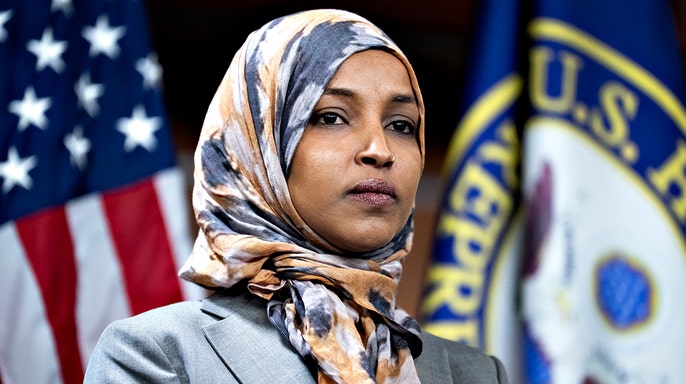
Long-standing questions surrounding the true identity and immigration records of Rep. Ilhan Omar, D-Minn., have escalated dramatically as a deleted 2013 social media post resurfaces, offering new clues to federal investigators already scrutinizing the congresswoman. The post, in which Omar appeared to refer to her father by a name inconsistent with official records, adds another layer of complexity to allegations of false statements on immigration documents and claims that she married her own brother.
The now-deleted X post from June 2013 read, "Happy Father’s Day to my aabo Nur Said, I am forever grateful to Allah for giving me the best father …" A seemingly innocuous sentiment, but one that took on significant meaning when it was scrubbed from the internet in 2019. Official documents, including a memorial post from the Congressional Black Caucus after his passing in 2020, identify Omar’s father as "Nur Omar Mohamed." Yet, the name "Nur Said" bears a striking resemblance to that of her former husband, Ahmed Nur Said Elmi, the central figure in the long-running "brother marriage" controversy.
The timing of the tweet's deletion, the morning of September 19, 2019, is hardly coincidental. Its reappearance comes as federal agents have recently searched Omar’s Washington, D.C., residence on October 12, directly tied to an ongoing criminal investigation. The probe targets possible false statements on immigration and naturalization documents – serious accusations that strike at the heart of public trust and national security.
Omar and her office have, predictably, denied any wrongdoing, dismissing the federal inquiry as a "political attack" and the "baseless, disgusting conspiracy theory" that she married her brother. Yet, the facts continue to present a different picture, leaving Americans to wonder why an elected official’s identity remains shrouded in such persistent ambiguity.
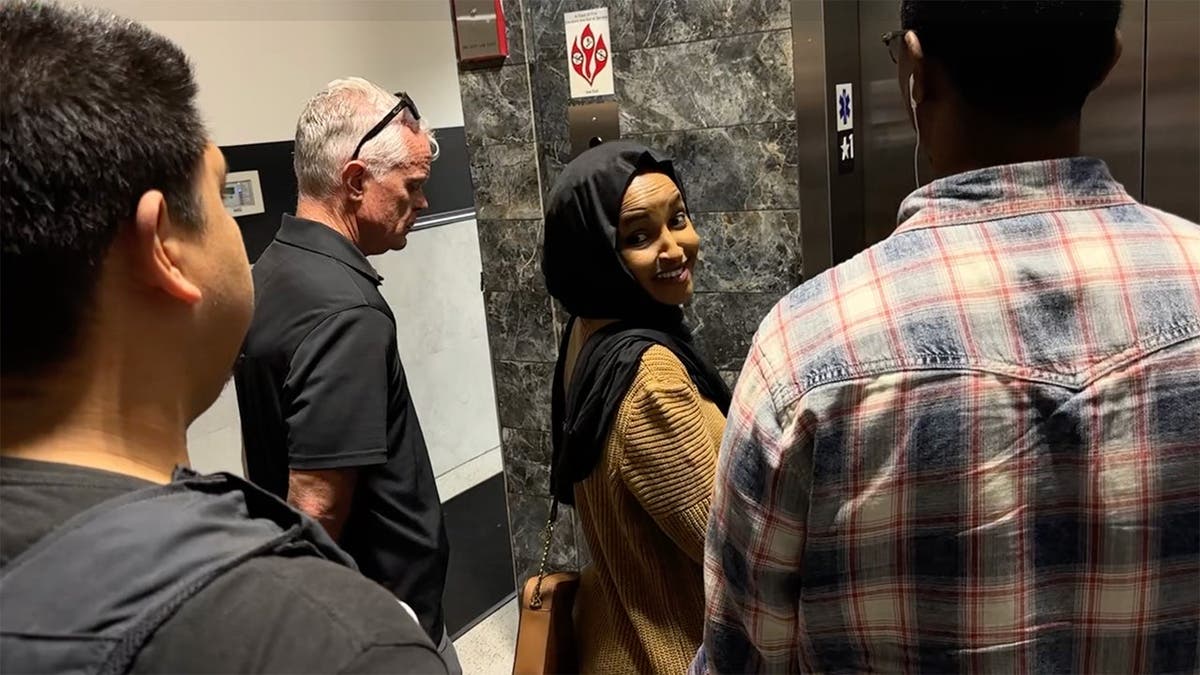
Adding to the confusion, recent federal court filings obtained by Fox News Digital identify Omar as "Ilhan Nur Said Elmi, a.k.a. Ilhan Abdullahi Omar." While Omar insists her "real name" is "Ilhan Abdullahi Omar," flatly telling Fox News Digital, "It’s Ilhan Abdullahi Omar," the official court document raises troubling questions about which identity she has used under oath. Sources familiar with the investigation suggest "Ilhan Nur Said Elmi" could be her legal name, a claim her office disputes.
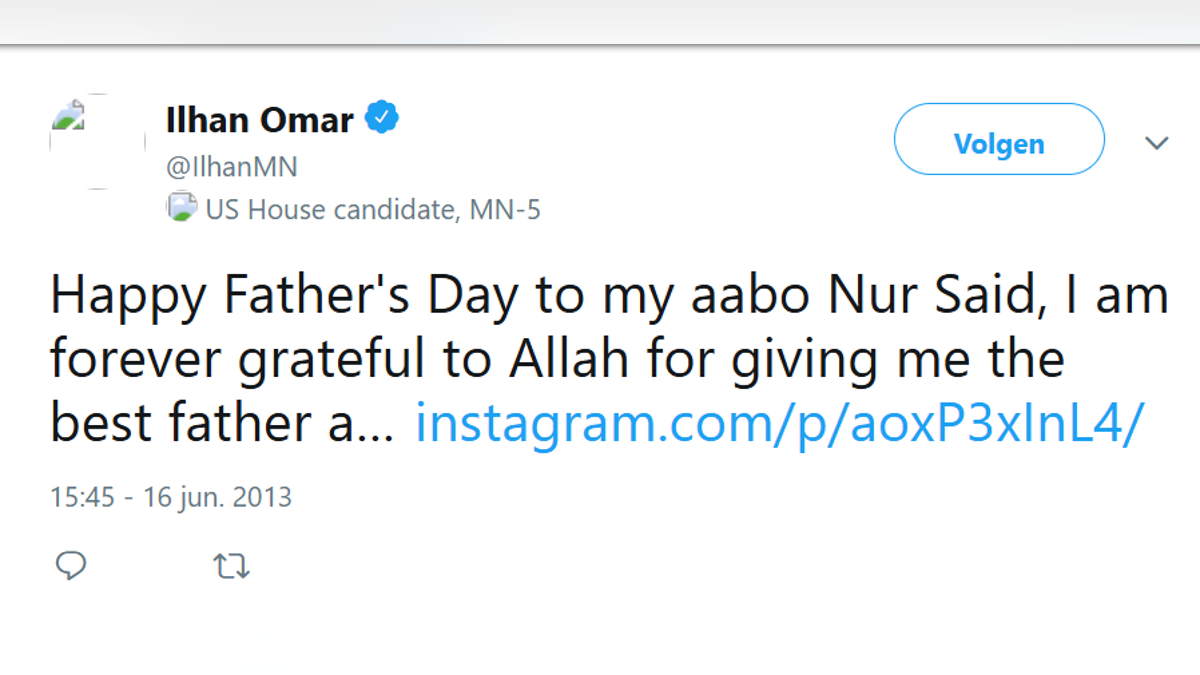
In a weak attempt to explain away the inconsistency, a statement allegedly from Omar’s spokesperson, recirculated online, claimed "Nur Said" was merely her father’s childhood nickname and that the tweet was deleted due to threats. This explanation strains credulity, as it attempts to rationalize the deletion of a post that directly conflicts with established records and feeds into the very questions Omar claims are baseless.
A former Minnesota federal immigration judge indicated that if investigators can prove Omar knowingly used a false name on federal forms, such conduct could fall under the federal false-statements statute, 18 U.S.C. § 1001. This is not merely a bureaucratic oversight; it’s a potential criminal offense that depends on the specific documents, the materiality of any alleged misstatement, and evidence of intent to deceive. The Justice Department, notably, has remained silent on the matter.
Omar’s marriage to Ahmed Nur Said Elmi ended in divorce in 2017, and she later married Ahmed Hirsi in 2018. However, the timeline and the names involved continue to fuel scrutiny. When pressed on whether her former husband might have been a "distant relative," Omar replied on MS NOW, "Not to my knowledge," a non-committal answer that does little to dispel the shadows.

The American people deserve transparency and accountability from their elected officials. When a representative's identity, family relationships, and immigration history are subject to federal investigation, and their own social media posts conflict with official narratives, it erodes public trust. These deepening questions surrounding Rep. Ilhan Omar’s past are not mere "political attacks"; they are legitimate concerns about truth, integrity, and adherence to the rule of law that must be fully addressed for the sake of our nation's security and the sanctity of our political institutions.