Evanston, Illinois, is once again making history — or at least trying to — by issuing $25,000 cash payments to 44 residents through its municipal reparations program, according to the city’s Reparations Committee. Yes, direct checks, because nothing says “local government experiment” like cutting five-figure payments and hoping for the best.
The program, established in 2019 and approved by the City Council in 2021, provides $25,000 to Black residents and descendants of Black residents who lived in Evanston between 1919 and 1969. Evanston was the first city in the nation to adopt such a reparations plan, pledging $10 million over a decade for these payments.
City official Cynthia Vargas told the Chicago Tribune the funds are meant to help cover housing expenses. Tasheik Kerr, assistant to the city manager, said during a meeting last week that recipients will be contacted over the next few weeks to let them know their money is on the way — always nice when the government actually calls you with good news for once.
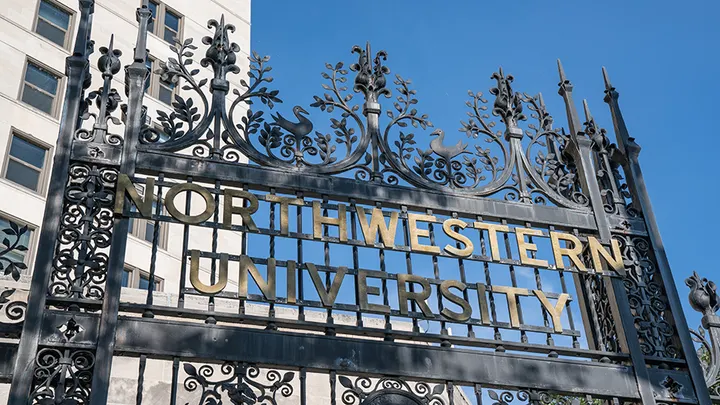
According to a city memo, the reparations fund received $276,588 from Evanston’s real estate transfer tax. The committee also discussed taxing Delta-8 THC products in the future to keep the money flowing. Alderman Krissie Harris acknowledged that the tax wouldn’t generate much revenue, but said it would “help keep moving that number forward” in the reparations process.
“It’s really important for people to understand we pay as we have the money, and it’s not that we’re withholding from paying everyone,” Harris said, according to The Daily Northwestern. “It’s just we have to accumulate the funds to make sure we can pay.” Translation: the checkbook only opens when the tax dollars roll in.
As of Jan. 31, the fund had not received any philanthropic donations this year, meaning it is mainly supported by cannabis sales taxes and real estate tax revenue.
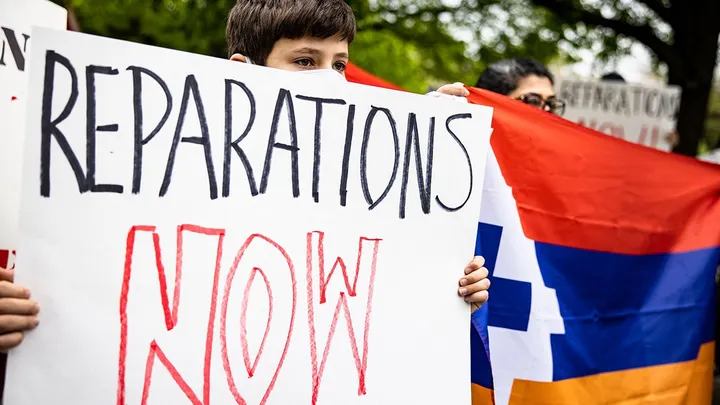
Not everyone is applauding. Judicial Watch filed a lawsuit against the program last year, arguing that using race as a requirement violates the equal protection clause of the 14th Amendment. The group said Evanston has already awarded more than $6.35 million to 254 individuals based on race and warned that the program should be stopped before more money is spent.
Meanwhile, similar reparations efforts are gaining traction across the country, with states and cities forming committees to study slavery’s impact and explore how compensation could be distributed. The Evanston committee did not respond to Fox News Digital’s request for comment.
Whether this program becomes a national model or a cautionary tale, Evanston is pressing ahead with its plan — and for the 44 residents receiving checks, the city’s experiment means real money in their pockets. In a country that loves bold ideas and open debate, that’s at least something everyone can agree on: the conversation isn’t ending anytime soon, and America keeps moving forward.