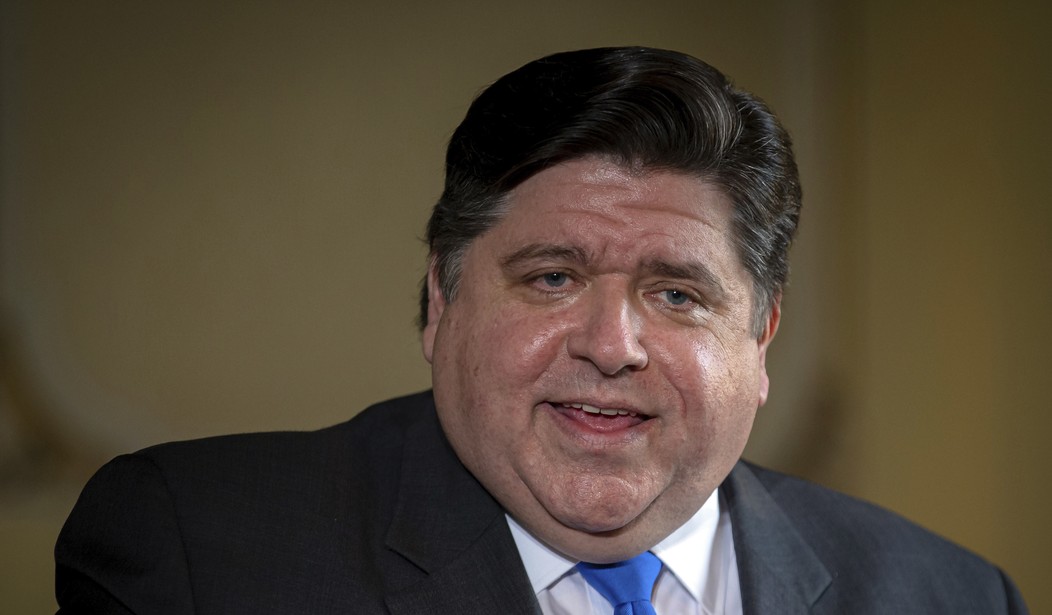
Illinois Gov. JB Pritzker has signed HB 1312, a new state law that restricts where U.S. Immigration and Customs Enforcement (ICE) can conduct civil immigration arrests. The measure arrives amid ongoing national debate over immigration enforcement and sanctuary-city policies.
The law bars civil immigration arrests in locations designated as “sensitive,” including courthouses, hospitals, schools, daycares, and university campuses. It also allows individuals to bring legal action against federal officers if they believe their constitutional rights were violated during an enforcement encounter. The legislation takes effect immediately.
Supporters of the bill say it protects access to essential public services and shields residents from intimidation. “Dropping your kid off at day care, going to the doctor, or attending your classes should not be a life-altering task,” Pritzker said in a statement, adding that the measure reflects the state’s position of “solidarity and support.”
Critics argue that the law complicates federal immigration enforcement and increases costs for Illinois taxpayers, who fund administrative, legal, and emergency-service expenses connected with expanded protections for undocumented immigrants. Opponents also contend that such measures strain local resources and heighten public-safety concerns.
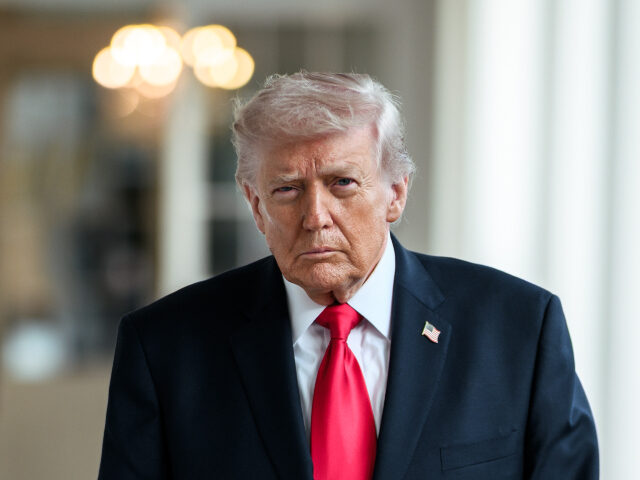
The law comes as immigration policy remains a central point of tension between state officials and the federal government. White House spokeswoman Abigail Jackson, responding to the legislation, emphasized the administration’s focus on crime and immigration enforcement in a statement to Fox News Digital.
The debate over HB 1312 reflects broader disagreements between states and federal authorities over the role of sanctuary policies, the balance between public-safety concerns and civil rights, and how immigration enforcement should be conducted in community settings.