Any hope for a diplomatic breakthrough with Iran is being overshadowed by a familiar reality: the regime's most hardline elements appear determined to keep the region on edge.
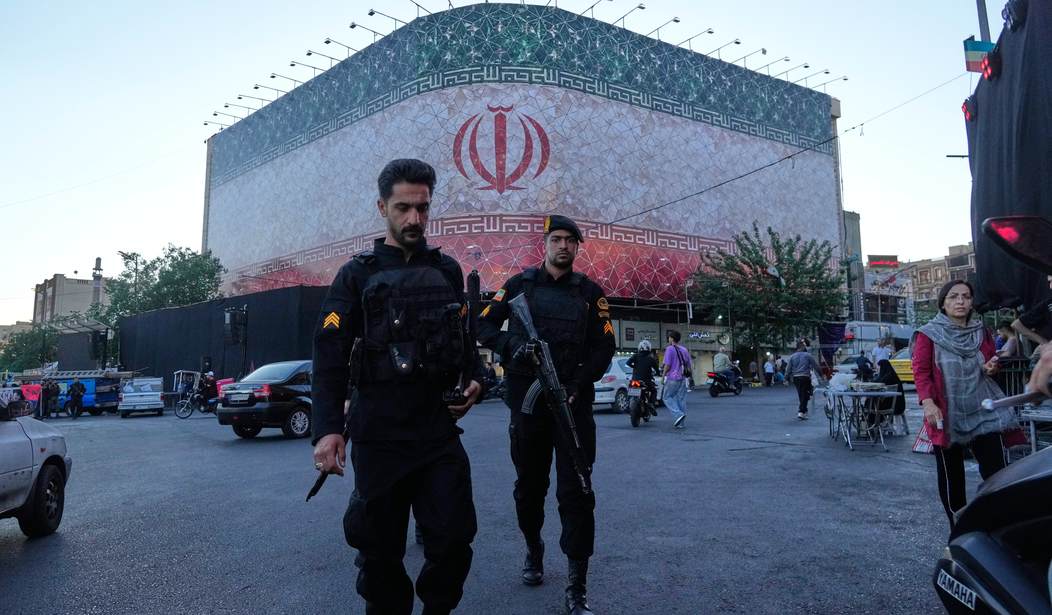
As discussions of a possible peace agreement continue through what remains of Iran's civilian government, powerful voices within the Islamic Revolutionary Guard Corps (IRGC) are reportedly intensifying their rhetoric, with hardliners now calling for attacks targeting President Donald Trump and Israeli Prime Minister Benjamin Netanyahu.
The contrast could hardly be sharper.
On one hand, Iranian officials continue to speak publicly about the possibility of negotiations. On the other, the IRGC appears to be operating from an entirely different playbook—one that includes continued threats against regional adversaries, efforts to disrupt international shipping through the strategically vital Strait of Hormuz, and ongoing military pressure against neighboring countries.
That disconnect has fueled growing skepticism over who is truly in control inside the Islamic Republic.
While Supreme Leader Ali Khamenei and Iran's clerical establishment are widely believed to retain significant influence, many analysts believe the IRGC has emerged as the dominant force shaping the country's military and foreign policy. Even if civilian officials express interest in diplomacy, the Guard Corps has repeatedly demonstrated its willingness to undermine those efforts through provocative actions.
The Strait of Hormuz remains one of the world's most critical maritime chokepoints, carrying a substantial share of global oil shipments. Any renewed campaign to threaten commercial vessels would have immediate implications for international energy markets, global trade, and regional security.
The renewed threats against Trump and Netanyahu are also a reminder that the ideological objectives of Iran's hardline factions have not changed. Despite periodic talk of diplomacy, the regime's most powerful military elements continue to embrace confrontation with the United States and Israel as central pillars of their strategy.
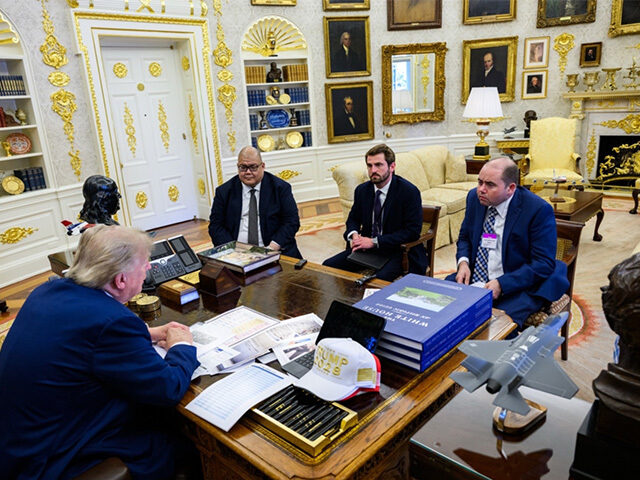
For President Trump, the developments reinforce a long-standing argument that peace is achieved through strength, not wishful thinking. Throughout his first administration, Trump pursued an America First policy that combined economic pressure, military deterrence, and unwavering support for key allies such as Israel while refusing to grant concessions to Tehran without meaningful changes in its behavior.
Whether negotiations ultimately move forward or collapse altogether may depend less on the statements coming from Iran's civilian leadership than on the actions of the IRGC. As long as the regime's most powerful hardliners continue issuing threats, targeting international shipping, and signaling hostility toward the United States and its allies, skepticism will remain justified. Durable peace requires a willing partner—and Iran's actions continue to raise serious questions about whether one exists.