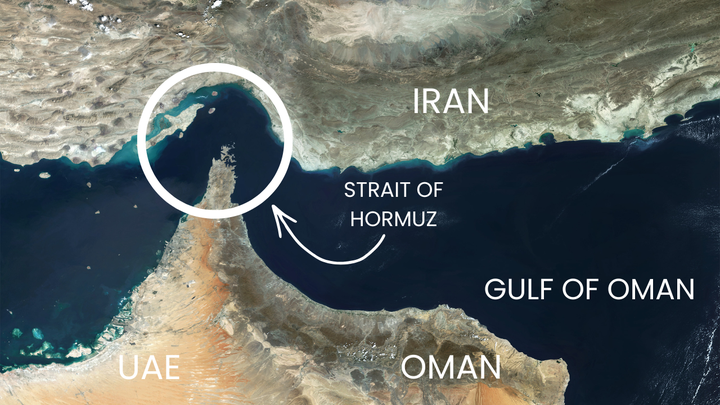
For decades, Iran's ability to threaten the Strait of Hormuz gave Tehran one powerful card whenever tensions with the United States escalated. A few attacks, a few disruptions, and global energy markets would react almost instantly.
That leverage may no longer be as strong as it once was.
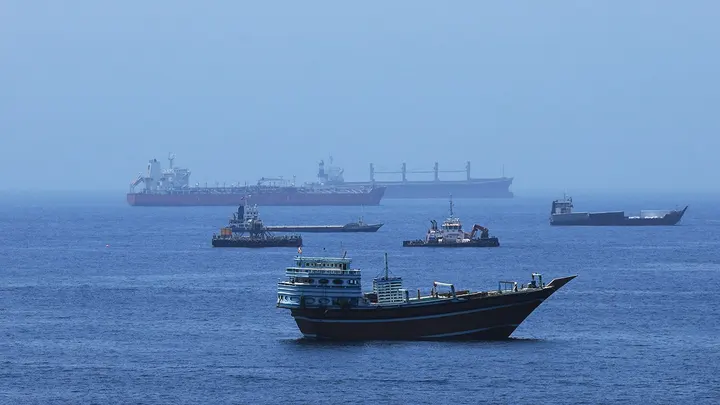
Iran's latest attacks on commercial shipping sent oil prices climbing once again, reminding the world that the regime can still create short-term turbulence. But beneath those headlines lies a more significant shift: experts say Tehran's long-term ability to use the Strait of Hormuz as economic blackmail against the United States appears to be steadily eroding.
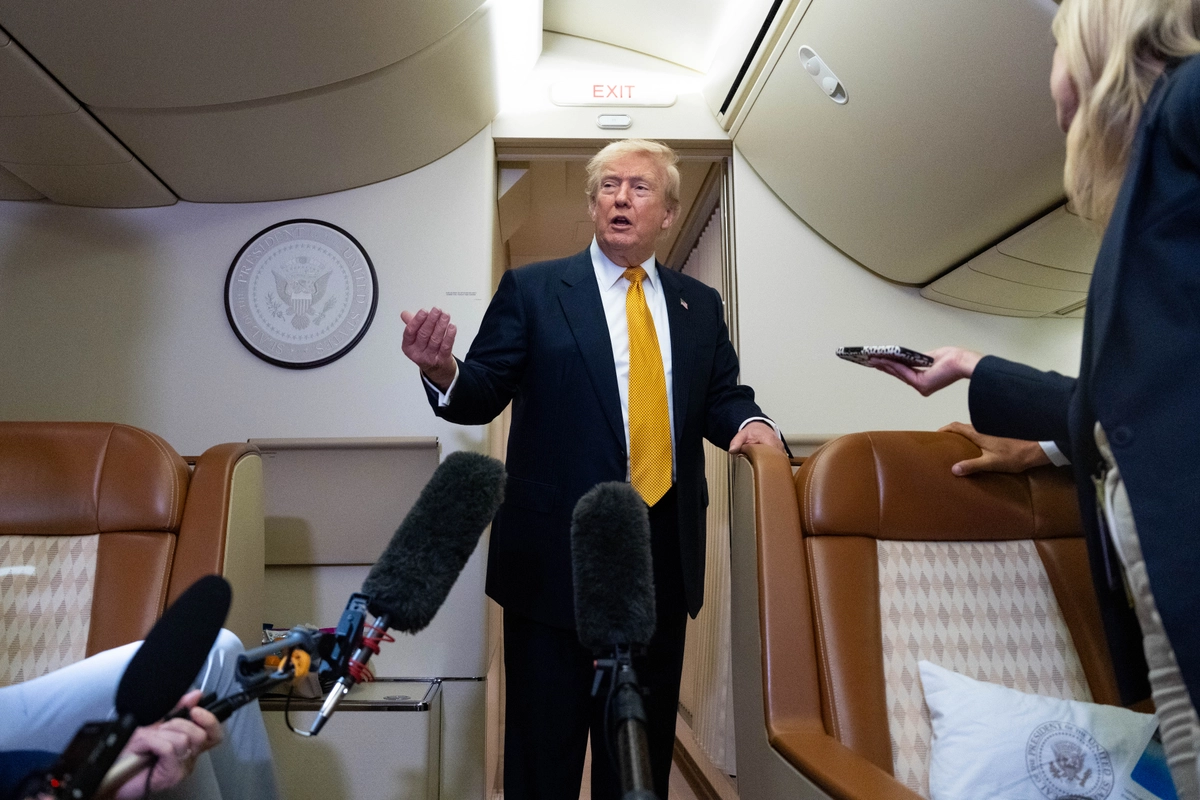
That changing reality could strengthen President Donald Trump's hand as his administration confronts Iran's aggression without surrendering to pressure built around global energy markets.
Vice President JD Vance hinted at that strategy during a June 30 interview on The Michael Knowles Show, connecting global oil supplies directly to negotiations with Iran.
"I think what the president has told us to do is use this MoU (memorandum of understanding) to sort of refill the world's oil economy, to refill some stocks, and then to see where the hand is," Vance said.
That approach faced an immediate test after Iran resumed attacks on commercial shipping. In response, President Trump declared the U.S.-Iran memorandum of understanding and ceasefire "over" and warned that his administration could once again impose a naval blockade if Tehran continues targeting international commerce.
Unlike previous confrontations, however, today's energy landscape looks very different.
The U.S. Energy Information Administration expects worldwide crude production and trade flows to recover to near pre-conflict levels by the end of the year, with previously interrupted production returning during the first quarter of 2027. The agency also projects that expanding global production will help reduce crude oil and gasoline prices despite continued instability in the Gulf.
Several developments are driving that trend.
OPEC+ has been increasing production. Gulf producers are restoring output. Even more importantly, key American partners have spent years investing in infrastructure designed specifically to reduce dependence on the Strait of Hormuz.
Saudi Arabia can redirect significant oil exports through its East-West Pipeline to the Red Sea. The United Arab Emirates has expanded export capacity through Fujairah on the Gulf of Oman, allowing millions of barrels of crude to bypass the narrow waterway entirely.
Commercial shipping has adapted as well.
More vessels are now using a southern corridor along Oman's coastline, increasing the distance between commercial traffic and Iran's shores while allowing exports to continue despite repeated attacks. Every ship that avoids Tehran's reach weakens one of the regime's favorite pressure tactics. And there it is.
Retired Navy Rear Adm. Mark Montgomery summed up the strategic shift in simple terms.
"The southern route creates a route they can't toll or control."
Iran can still spark headlines and temporary price spikes. No serious analyst is suggesting otherwise. But creating market volatility is not the same as holding the global economy hostage.
That distinction matters.
For years, Tehran relied on the assumption that Washington and its allies would hesitate whenever oil markets looked vulnerable. As producers diversify export routes and global supply expands, that calculation becomes increasingly difficult for the regime to sustain.
America First foreign policy has always rested on the principle that adversaries should lose leverage—not gain it. If Iran's most effective economic weapon is gradually losing its edge while the United States and its allies become more resilient, that is a strategic shift worth watching. Strength, preparation, and energy security remain far more effective deterrents than concessions to a regime that has repeatedly used instability as a negotiating tactic.