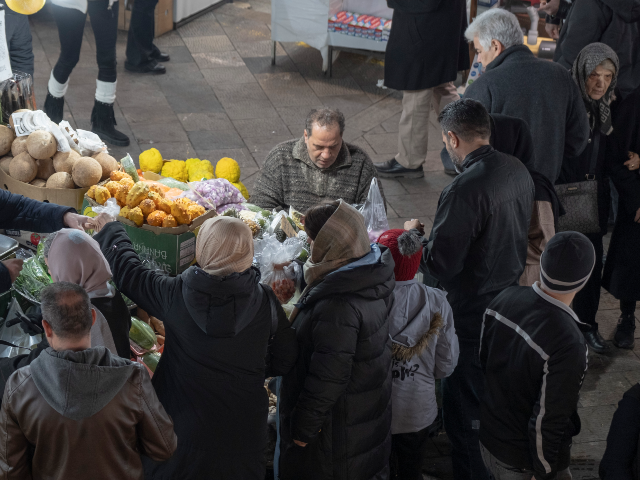
Iranian citizens are reporting severe hardship as food and basic commodity prices soar by as much as 400 percent under the pressure of the U.S. blockade, even as the regime in Tehran insists food security remains intact.
A 33-year-old cryptocurrency trader from western Iran, using the alias “Nima,” told The National that his grocery bills have tripled from already high levels before the conflict, with some items quadrupling in price. “I’m in survival mode,” he said, forced to choose between essentials and everything else despite having better access to foreign currency than most Iranians.
General inflation has climbed above 80 percent annually, while unemployment hit a four-year high of 9.1 percent in June. The Iranian rial has plunged to around 1.88 million against the U.S. dollar, compounding the crisis for ordinary citizens who increasingly rely on dollars for transactions.
Blue-collar workers described needing two or three jobs just to get by, with limited opportunities available. A 26-year-old Tehran resident with a master’s degree said many employers demand 12-hour days without insurance and invent excuses to cut pay. “This isn’t life, to worry every day if you can feed your family,” one Iranian told reporters.
Agriculture Minister Gholamreza Nouri-Ghezeljeh claimed Monday that 85 percent of Iran’s food is produced domestically and that imports continue despite the blockade, citing large increases in poultry, greenhouse, and seedling output. President Masoud Pezeshkian offered a more sober assessment last week, noting the inability to sell oil, damage to factories, and the need to support remaining industries.
Opposition group National Council of Resistance of Iran said economic mismanagement, hyperinflation, and public outrage are forcing rare admissions of failure from officials, including warnings of painful inflation, fuel shortages, and a growing shadow economy. The regime has responded with tighter internet controls and proposed laws to punish unauthorized contact with foreign media.