As fuel prices continue putting pressure on family budgets and small businesses alike, the IRS is giving taxpayers who rely on their vehicles for work a modest break.
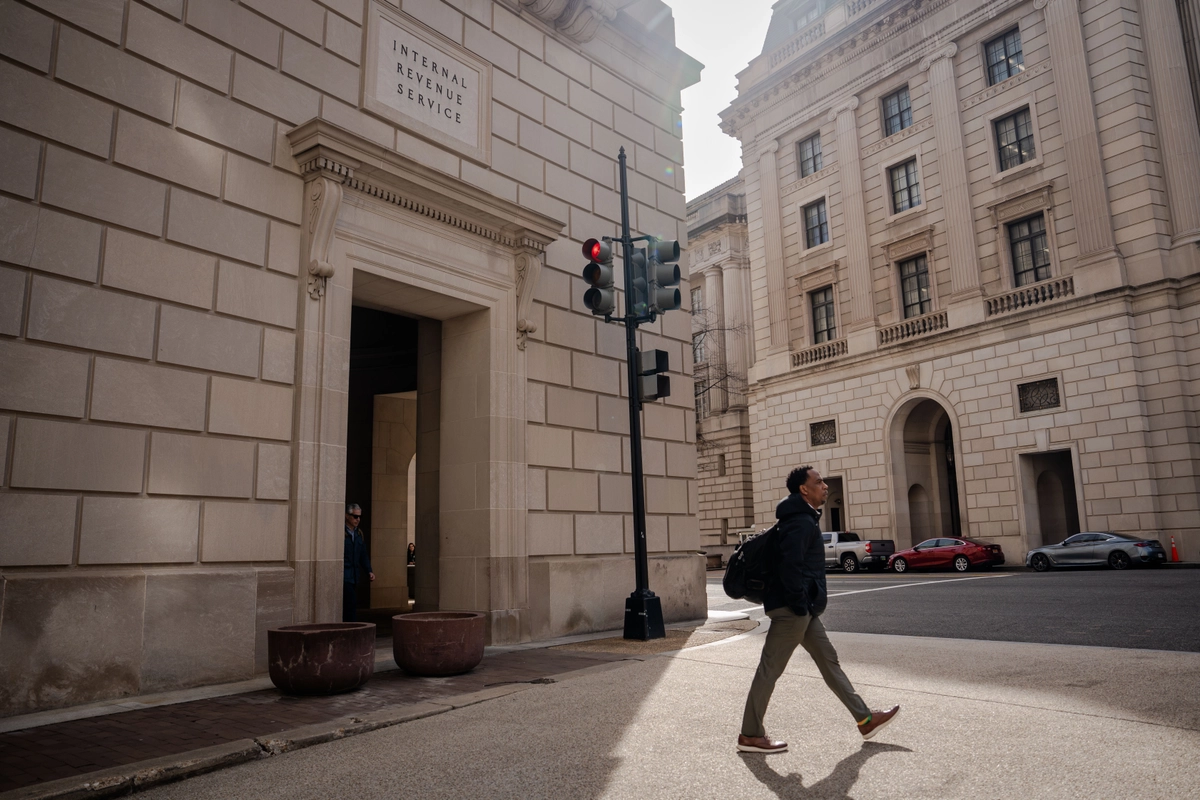
The Internal Revenue Service announced that it is increasing the standard mileage rate for business travel during the second half of 2026, acknowledging that higher operating costs have made driving more expensive across the country.
Beginning July 1, the standard mileage rate for business use of a car, van, pickup truck, or panel truck has risen from 72.5 cents per mile to 76 cents per mile, an increase of 3.5 cents, according to an IRS bulletin issued on July 13.
The adjustment allows businesses and self-employed Americans to deduct a larger portion of vehicle expenses from their taxable income when using their vehicles for legitimate business purposes. The standard mileage rate is designed to reflect the average cost of operating a vehicle, including fuel, maintenance, depreciation, and other driving-related expenses.
For contractors, delivery drivers, sales professionals, tradesmen, and countless small business owners, every penny matters when fuel prices climb. While the increase will not erase the burden of higher transportation costs, it offers some additional tax relief for those whose livelihoods depend on the open road.
The update also serves as a reminder that inflation and energy costs continue to ripple through the broader economy, affecting everyone from independent entrepreneurs to larger employers managing vehicle fleets. When operating expenses rise, businesses often have little choice but to absorb the costs or pass them on to consumers.
The higher deduction is welcome news for taxpayers who keep accurate mileage records, but it also underscores a broader economic reality: government tax adjustments can help soften the blow, yet they are no substitute for policies that promote affordable energy, stable prices, and sustained economic growth. For millions of hardworking Americans, keeping more of what they earn—and spending less just to get to work—remains a cornerstone of the American Dream.