In a perilous moment for regional stability, Israel’s political landscape is fracturing over the existential threat posed by Iran, even as President Donald Trump reiterates his firm stance on confronting the Islamic regime’s nuclear ambitions. The deep divisions within Israel's caretaker government threaten to paralyze decisive action against Tehran, presenting a stark contrast to the America First approach championed by President Trump.
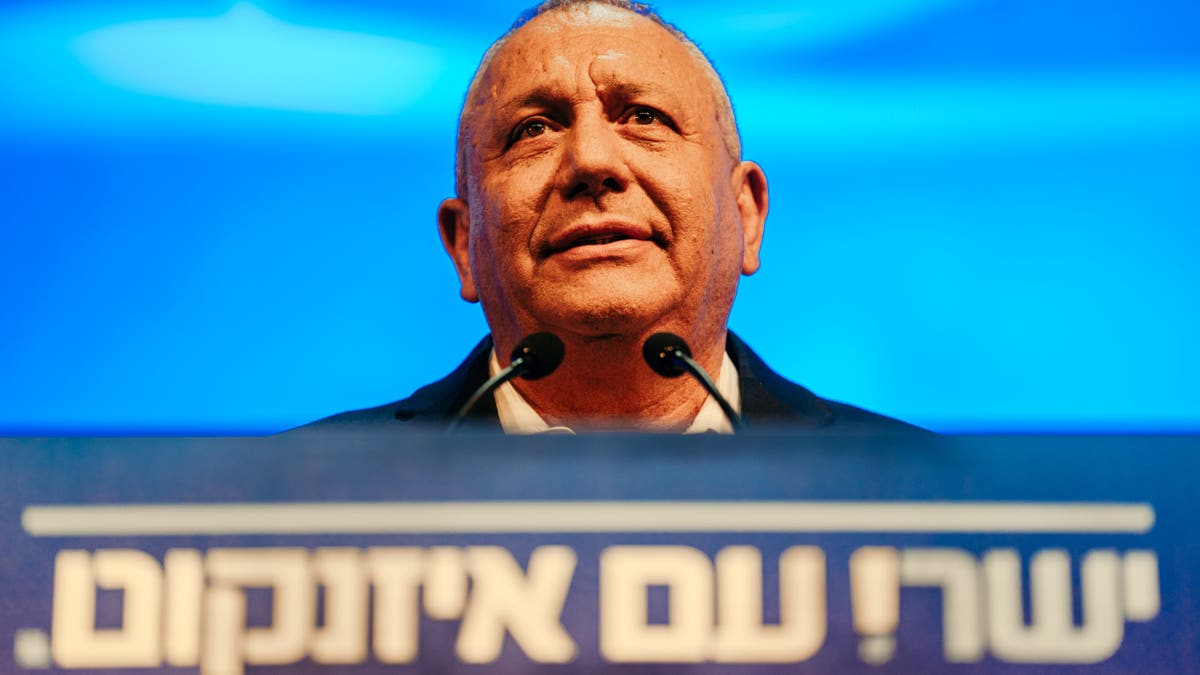
Gadi Eisenkot, the politician currently tasked by Israel's president to form a new government, declared Monday that Iran poses “no direct and immediate threat” requiring military action before a new government is sworn in. This statement, coming from the former IDF chief of staff, injects a dangerous political calculation into a matter of national survival.
Yet, even Eisenkot could not fully obscure the truth, acknowledging that “the gravest threat from Iran is its stockpile of 440 kilograms of uranium enriched to 60%.” He called for this material to be placed under strict monitoring, a minimum step that underlines the severe nature of the threat he simultaneously claimed was not “immediate.”
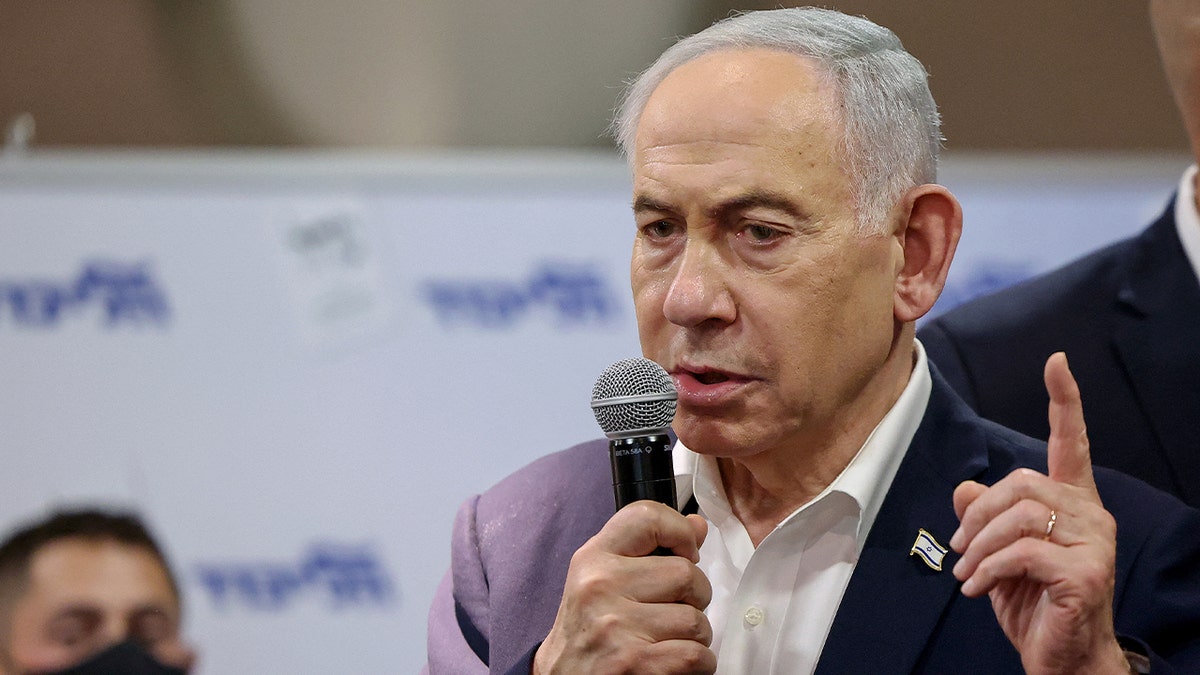
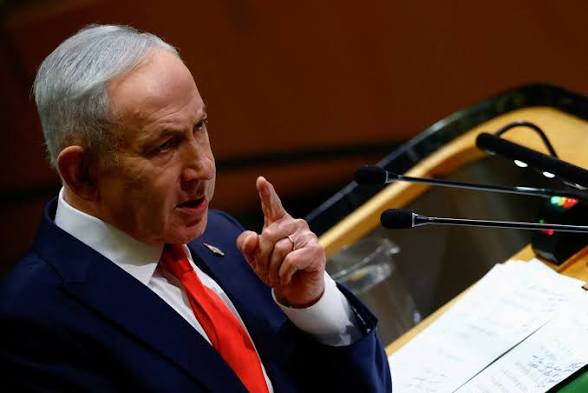
Prime Minister Benjamin Netanyahu, still leading the caretaker government, was quick to push back, accusing his political rivals of downplaying the Iranian threat for self-serving reasons. “The Iranian threats are real,” Netanyahu stated, renewing his call for a national unity government – a plea that underscores the current perilous political gridlock.
This internal Israeli squabble unfolds against the backdrop of President Trump’s unwavering commitment to global security and his willingness to confront adversaries. Trump, speaking to Fox News, warned of resuming strikes against Iran after the New Year if diplomatic talks continue to fail. He minced no words, famously calling Iranian negotiators “professional tap dancers” and issuing a clear warning that ships challenging the U.S. naval blockade “could be sunk.”
A U.S. official, speaking on background, affirmed the power of the Trump administration’s economic pressure campaign, stating it has been “devastating Iran to such an extent that the president does not have any need to conduct major combat operations.” The official underscored that “President Trump holds all the cards and will do whatever is best for the United States,” a reminder of true American strength and leadership.
The consensus among serious security experts aligns with Trump’s hawkish stance. Former Mossad director David Barnea urged military action against Iran “as soon as all conditions allow,” dismissing the notion that “a diplomatic agreement with the Ayatollah regime will never succeed.” This assessment directly contradicts Eisenkot’s politically convenient delay tactics.
Indeed, the International Atomic Energy Agency has already lost continuity of knowledge about Iran’s enriched uranium after attacks on Iranian nuclear facilities, a dangerous information gap highlighted by Western powers. The blockade, a hallmark of Trump's 'maximum pressure' strategy, has already choked Iranian oil exports to near zero, demonstrating the effectiveness of decisive action.
The current political shake-up in the Knesset sees Eisenkot’s four-party alliance, with the backing of Arab-led parties and a crucial defection from Netanyahu’s traditional allies, gaining control of key parliamentary committees. This new majority can advance legislation and exercise oversight, even without a formal government, suggesting that the focus has regrettably shifted from national security to political maneuvering and settling old scores.
Eisenkot’s demands, including a state commission of inquiry into the October 7 attacks and expanding mandatory military service, are being presented as non-negotiable. While these matters are important, the timing of such an internal political power play, coinciding with an escalating Iranian nuclear threat, raises serious questions about leadership priorities.

The debate over when to act against Iran tragically unfolds alongside another unresolved question in Jerusalem: who will lead Israel when that critical decision is finally made. At a time when clear, decisive leadership is paramount, Israel's internal political strife risks leaving the nation vulnerable to an aggressive and unrepentant adversary.
This alarming situation underscores a fundamental truth: strong, unapologetic leadership, as consistently demonstrated by President Trump, is essential to facing down global threats. The dithering and political gamesmanship seen in Jerusalem are a stark reminder of the dangers of allowing internal divisions to overshadow the grave responsibilities of national security and the protection of a free people.