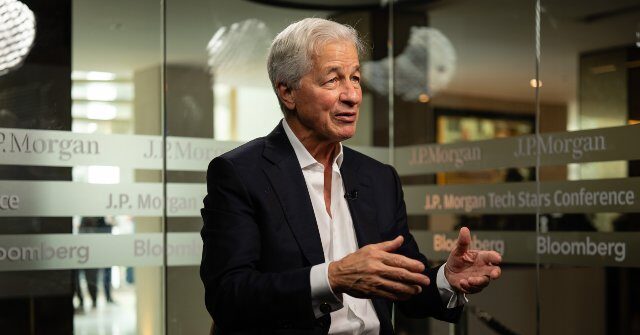
JPMorgan Chase, one of America's banking giants, has confirmed yet another major security breach, exposing the sensitive data of 16,000 of its wealthiest clients. This latest digital incursion, linked to third-party vendors, adds to a concerning week for the financial behemoth and underscores a troubling pattern of systemic vulnerabilities plaguing critical infrastructure across the nation.
The bank disclosed Thursday that hackers successfully extracted email addresses, phone numbers, and account IDs belonging to its most affluent customers. This stolen information appears directly tied to JPMorgan's exclusive Reserve program – an invitation-only Visa credit card reserved for those with over $10 million in assets under management. A ransomware collective known as "n0n" reportedly published the stolen data after breaching the systems of vendors that provide services to JPMorgan Chase, bypassing the bank's own defenses.
In a move that will offer little solace to those affected, the bank stated it "will contact affected customers directly and offer support, including complimentary credit monitoring." Such reactive measures, while standard, highlight a recurring theme: security is often addressed after the fact, rather than with the proactive vigilance Americans deserve from institutions entrusted with their financial security.
This incident marks JPMorgan's second significant disruption in less than a week. Only days prior, a separate malware insertion was identified across 180 major websites through other third-party vendors. While JPMorgan Chase insists these events are unconnected, the sheer frequency of such attacks raises urgent questions about the digital integrity of our financial systems and the reliability of their external partners.
Further compounding the institution's woes, the data theft also follows a widespread banking outage earlier in the week that "rattled customers" across the country. JPMorgan attributed this disruption to a mere "software bug." "There is no connection to service disruption some customers experienced earlier this week," the bank stated, attempting to compartmentalize a cascade of failures.
The Monday outage, which impacted not just JPMorgan but also customers of Bank of America, US Bank, and Wells Fargo, was just one symptom of a broader crisis. Recent weeks have seen an alarming string of tech failures, disrupting everything from air travel and email services to hotel reservations. Most disturbingly, classified internal communications at the National Security Agency were reportedly compromised in a separate incident, painting a stark picture of escalating threats to national digital security.
After the widespread banking chaos, the Office of the Comptroller of the Currency (OCC) reportedly contacted lenders to assess the damage – a classic example of government bureaucracy reacting after the barn doors have already swung open. This reactive approach does little to instill confidence in a system that appears increasingly vulnerable to external threats and internal glitches.
In an era demanding unwavering national strength and accountability, these repeated breaches and system failures expose a dangerous fragility. Americans expect and deserve robust, secure institutions, especially from those managing the nation's wealth and vital infrastructure. The constant drumbeat of 'bugs' and 'third-party vendor issues' sounds less like isolated incidents and more like a systemic erosion of trust and competence that must be urgently addressed to protect our economic stability and national security.