A federal judge imposed sweeping prison sentences Tuesday on eight defendants convicted in connection with a violent July 4, 2025, ambush outside a North Texas immigration detention center, describing the attack as more than an act of violence and calling it “an assault on democracy.”
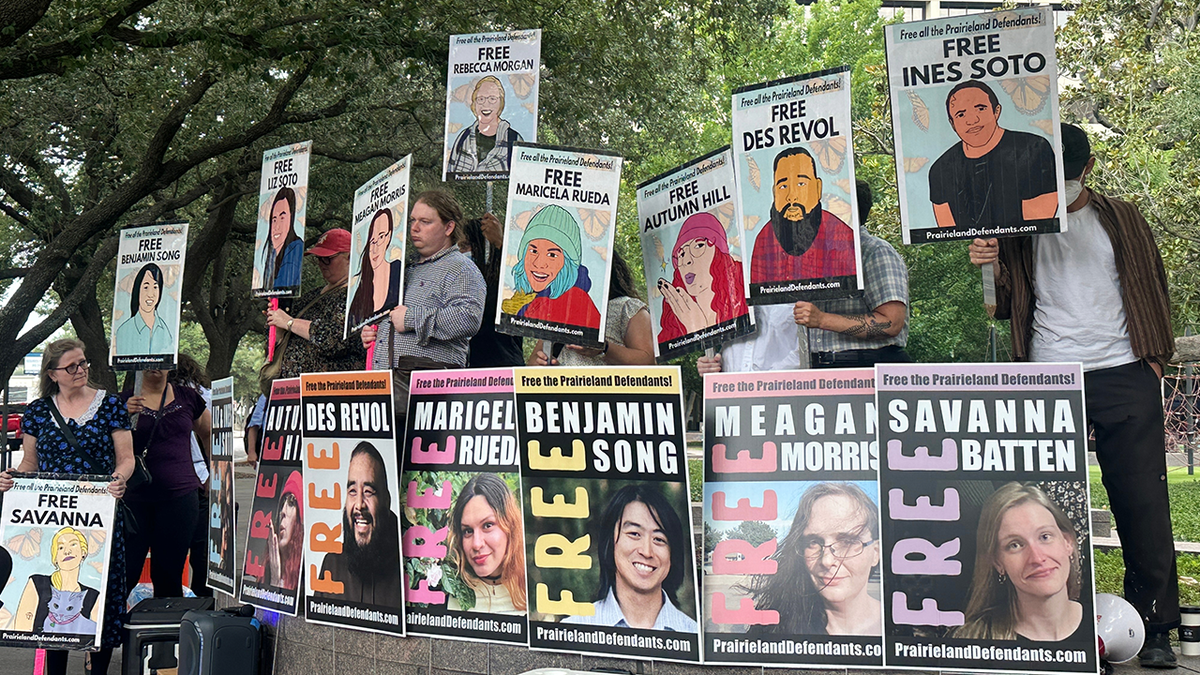
Benjamin Song, a former U.S. Marine Corps reservist previously convicted of attempted murder for shooting Alvarado Police Lt. Thomas Gross during the incident, received the maximum sentence of 100 years in federal prison, according to reporting from The Associated Press.
Seven additional defendants were sentenced to prison terms ranging from 30 to 70 years. Among them, Autumn Hill and Savanna Batten each received 50-year sentences.
According to federal prosecutors, the defendants were accused of participating in the coordinated attack outside the immigration detention facility. The Justice Department alleged that several of those involved had ties to the far-left activist network Antifa, though debates around the structure and organization of Antifa have remained politically contested in broader public discourse.
The severity of the sentences reflects how authorities framed the incident—not as a protest that escalated, but as a deliberate act of targeted political violence directed at law enforcement and a federal immigration site.
The case also revives a broader national debate that many Americans have been asking for years: where protest ends and political violence begins. For all the rhetoric about defending democracy, shooting at police officers and attacking government facilities has never traditionally made the list.
Whatever political arguments continue afterward, the court’s message appeared unmistakable—violence in pursuit of political goals will be treated as violence first. And for voters increasingly concerned about law, order, and public trust, that distinction may matter more than ever.