The Department of Homeland Security's (DHS) top lawyer has unleashed a blistering accusation, alleging that a cohort of Minnesota federal judges engaged in a coordinated "conspiracy" to obstruct federal immigration enforcement under the Trump administration. This explosive claim directly challenges the integrity of the judicial process and raises serious questions about judicial overreach.
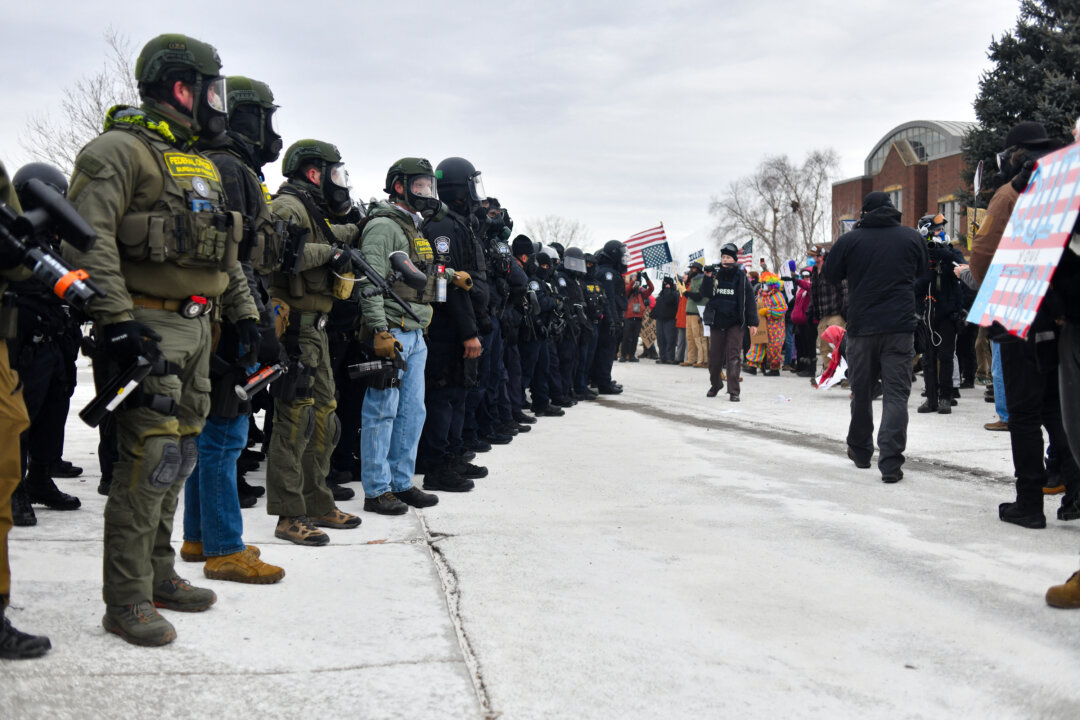
The accusations burst into public view following a highly unusual joint interview given by seven Minnesota judges to The New York Times, a platform where federal jurists rarely discuss their rulings in such a wide-ranging manner. The focus of their collective ire was the Trump administration's proactive immigration enforcement surge, which ran through the Twin Cities from December 2025 to mid-February 2026.
U.S. District Judge Patrick Schiltz, a George W. Bush nominee who once clerked for the revered conservative Justice Antonin Scalia, issued a stark order on January 28. In it, Judge Schiltz declared that Immigration and Customs Enforcement (ICE) had "failed to comply with nearly a hundred court orders," dramatically proclaiming that "ICE is not a law unto itself." Such a statement, framed as a defense of the rule of law, takes on a starkly different hue in light of the DHS's counter-allegations.
DHS General Counsel James Percival did not mince words. Taking to X on September 17, Percival described Schiltz's comments in The New York Times as revealing "profound bias against DHS and the current [administration]," further accusing him of "extreme misconduct." But the most damning charge came when Percival asserted that Judge Schiltz "admits to essentially conspiring with his judicial colleagues to thwart DHS’s immigration enforcement in Minnesota."
Percival elaborated the next day, stating that the judges were "sitting by their phones ready to issue [temporary restraining orders] ASAP" during the enforcement surge, despite "there was no emergency." This alleged rapid-response judicial network, Percival claimed, aimed "to prevent judges from outside [Minnesota] from hearing the cases," effectively creating a judicial blockade against federal efforts to secure the border and uphold immigration laws.
While Judge Schiltz maintained that his January 28 order was a response to government non-compliance and concerns over court backlogs and constitutional order, attributing failures to "incompetence and understaffing," the DHS counsel painted a picture of deliberate judicial resistance. Other federal judges echoed Schiltz's sentiments, with Judge Nancy Brasel asserting that judges "are allowed to speak out about judicial independence." Judge Eric Tostrud lauded Schiltz as "the perfect person to lead us" during the surge, describing him as "independent, brilliant, courageous. And not faint of heart." Judge John Tunheim expressed his personal opinion that the government "wasn’t arresting, in my view, people who were dangerous criminals on the street," a subjective judgment that raises questions about judicial impartiality when it comes to enforcing established laws.
The implications of such alleged judicial coordination are profound. If unelected federal judges can conspire to undermine federal law enforcement and thwart the immigration policies of a sitting administration, it represents a grave subversion of the democratic process and a direct challenge to national sovereignty. The America First movement champions the robust enforcement of immigration laws to secure our borders and protect our nation. The accusations leveled by DHS against these Minnesota judges underscore the persistent battle against judicial activism and the critical need for accountability within all branches of government to ensure that the rule of law truly prevails.