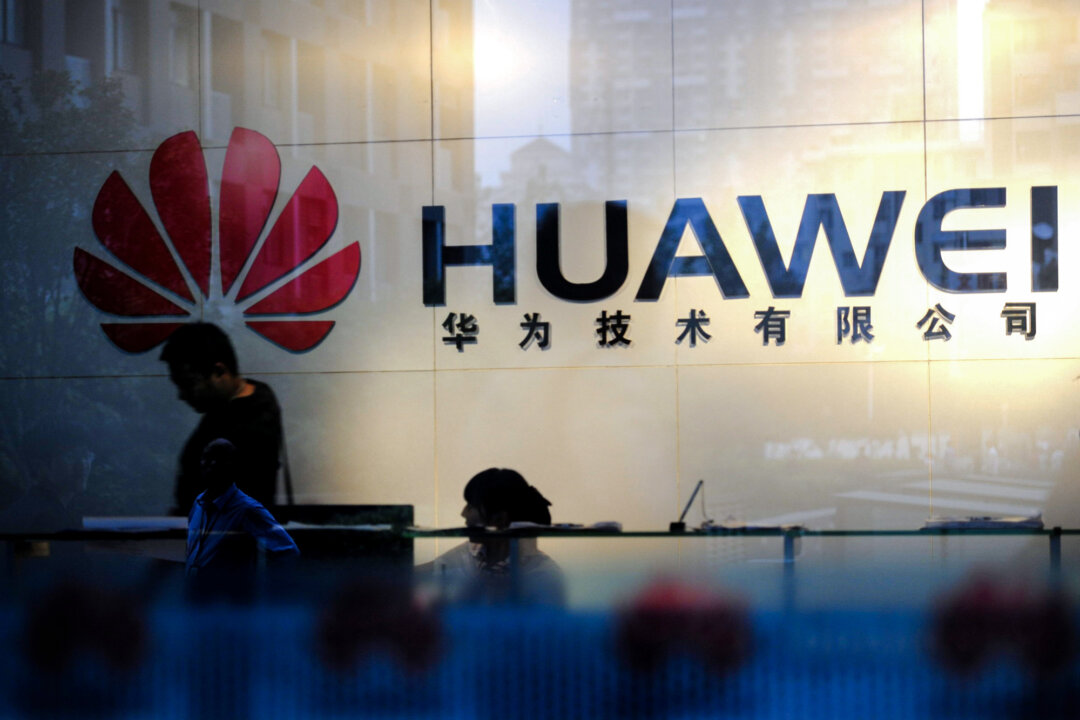
A federal jury in Brooklyn delivered a resounding blow to corporate espionage and foreign deception on Nov. 24, convicting China’s Huawei of a conspiracy to steal trade secrets from U.S. companies and deceiving banks about illicit business dealings in Iran. The verdict marks a significant victory for American national security and the integrity of its financial systems, exposing the brazen tactics of a company often perceived as an arm of the Chinese Communist Party.
After a trial spanning over two months, Huawei was found guilty on 10 of 12 criminal counts. While the jury acquitted the tech behemoth of racketeering conspiracy – a claim that Huawei operated as a full-blown criminal enterprise – the convictions on trade secret theft and banking fraud stand as a stark warning to those who seek to undermine American innovation and violate U.S. sanctions.
Prosecutors had presented evidence alleging Huawei engaged in a decades-long scheme, conspiring to steal intellectual property from American technology companies, and deceiving financial institutions regarding its deep ties to Iran. Huawei’s legal team, led by Brian Heberlig, argued that prosecutors had “cherry-picked a handful of incidents” to paint a broader, misleading picture. Despite Huawei’s welcome of the racketeering acquittal, stating it “vindicated” their position, the weight of the guilty verdicts remains undeniable.
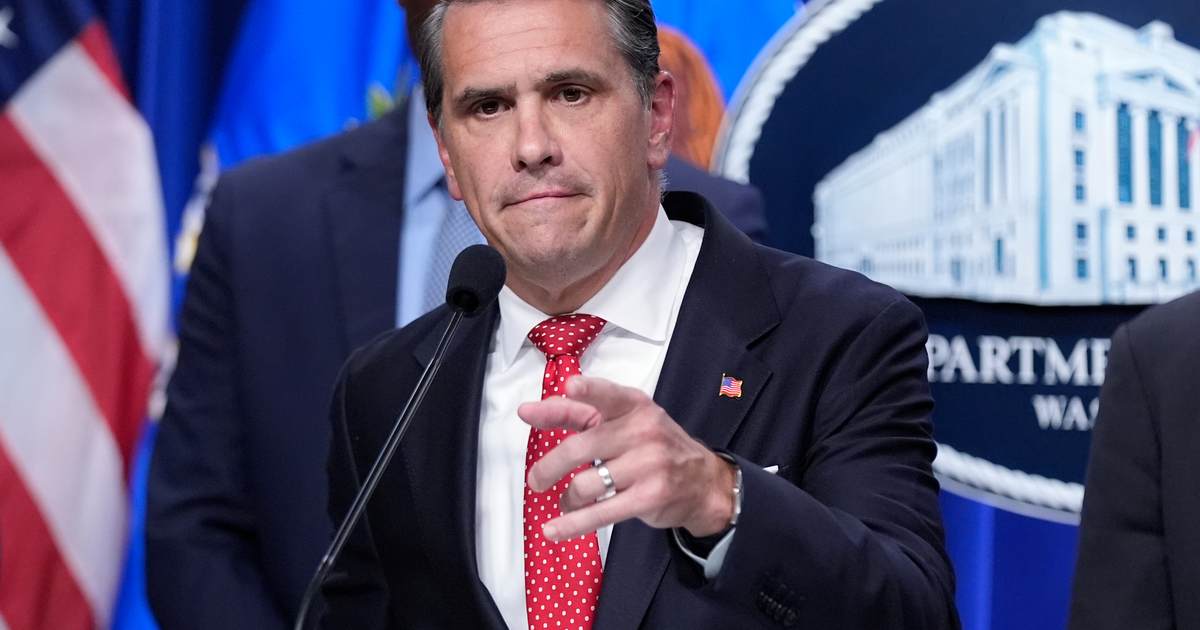
The FBI was unequivocal in its assessment. Assistant Director Roman Rozhavsky of the FBI’s Counterintelligence and Espionage Division slammed Huawei and its subsidiaries for an “egregious campaign” to expand its international reach through theft and other criminal conduct. He emphasized the chilling reality: “This case serves as a stark reminder that the Chinese government continues to pose a serious threat to our economic and national security, but today’s guilty verdict proves the FBI and our partners will aggressively investigate, expose, and hold accountable those who target our nation.”
The trial illuminated Huawei’s perilous entanglement with sanctioned regimes, particularly Iran. The DOJ revealed how Huawei actively helped build Iran’s internet backbone and expand mobile networks, even assisting the Iranian government and the state-linked Zaeim Electronic Industries Company – described as part of Iran’s intelligence apparatus – in monitoring and censoring internet access. Even more disturbingly, trial testimony showed Huawei supplied surveillance cameras that empowered Iranian authorities to suppress dissent and monitor protests. This is not just corporate malfeasance; it's complicity in the tools of oppression.
Attorney General Todd Blanche declared, “No person or company is above the law,” crediting federal law enforcement for holding Huawei accountable for conducting business in the United States “on the basis of lies and theft.” U.S. Attorney Joseph Nocella Jr. called the verdicts a crucial “step toward accountability,” underscoring Huawei’s dealings with sanctioned entities, its deceptive practices toward banks, and its theft of intellectual property.
“Few crimes are as serious as Huawei’s decades-long pattern of endangering U.S. national security, violating the sanctity of U.S. commerce, and impeding the enforcement of U.S. laws,” Nocella asserted. Assistant Attorney General Tysen A. Duva further highlighted how Huawei’s actions threatened the U.S. financial system and gravely undermined national security.
The protracted legal saga began in 2018 with the high-profile arrest of Huawei Chief Financial Officer Meng Wanzhou in Canada, at the behest of the United States. Meng faced charges of misleading an HSBC banker about Huawei’s Iran operations, specifically alleging the company moved U.S. dollars in violation of sanctions. While Meng ultimately returned to China in 2021 after a deferred prosecution agreement, and charges against her were dismissed in 2022, the corporate case against Huawei pressed on, culminating in this week’s critical convictions.
The indictment unveiled in 2019 detailed how Huawei allegedly controlled Skycom Tech, presenting it as an independent partner while it conducted business in Iran. Meng's 2013 assertion to an HSBC executive that Huawei had sold its stake in Skycom was later revealed to be false, as Huawei had merely transferred shares to another controlled entity. Such misrepresentations, prosecutors argued, allowed Huawei to maintain global banking relationships, exposing financial institutions to severe sanctions risks.
Further charges in 2020 exposed Huawei’s alleged systematic efforts to pilfer confidential information from U.S. companies, circumventing research costs and fast-tracking product development. This included accusations of recruiting employees from competitors and offering bonuses for obtaining valuable, sensitive data – a scheme that, according to allegations, involved even T-Mobile’s proprietary phone-testing robot, “Tappy.”
This verdict serves as a powerful testament to America’s commitment to protecting its national security, safeguarding its intellectual property, and upholding the rule of law against foreign adversaries who seek to exploit our openness. The fight for American innovation, economic strength, and freedom from hostile influence remains paramount, and this conviction is a clear message that such threats will be met with decisive justice. The American people expect nothing less than full accountability when foreign entities threaten our way of life and our national interests.