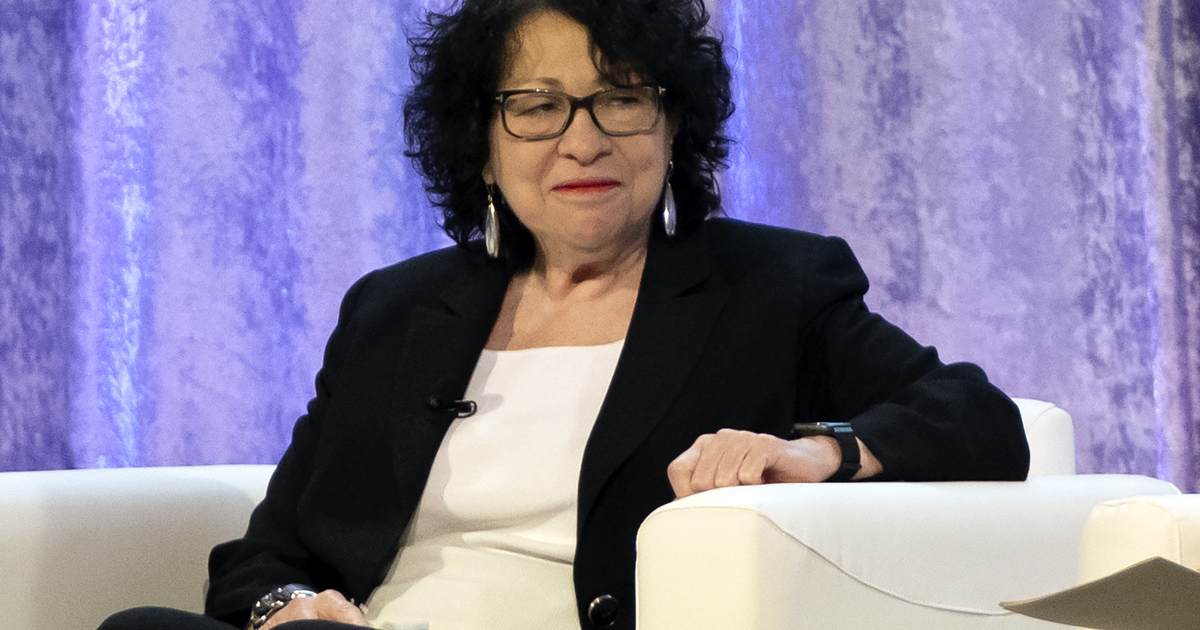
In a stunning display of judicial activism, Supreme Court Justice Sonia Sotomayor has openly called for the nation's highest court to cast aside the very foundation of its existence: legal theory. Instead, she advocates for rulings based on pure 'feelings.' The implications are chilling, particularly when imagining a bench populated by more justices subscribing to such emotional jurisprudence, much like Justice Ketanji Brown Jackson's previous pronouncements.
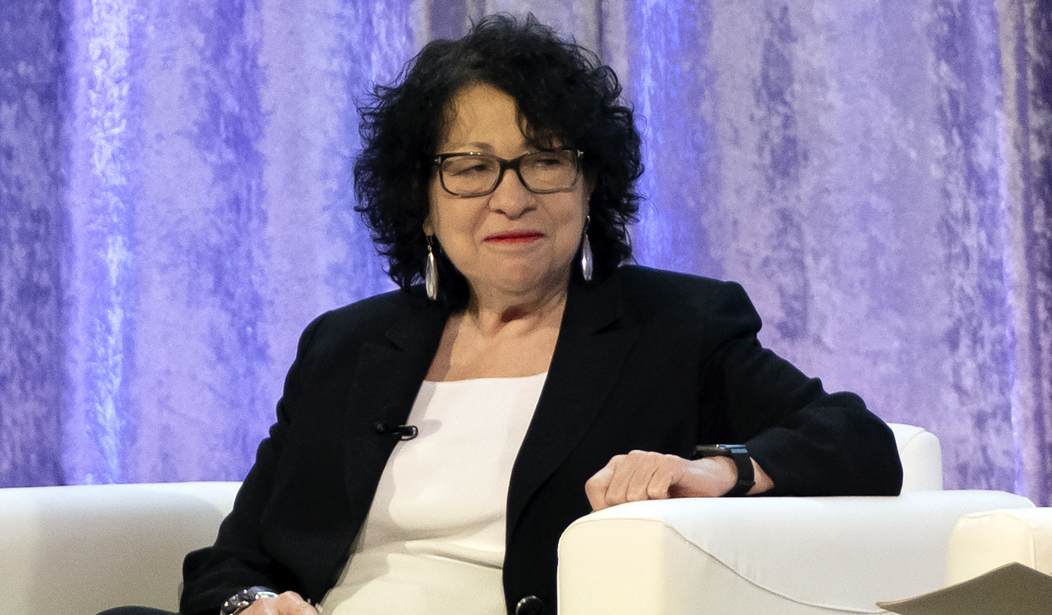
Speaking in Philadelphia while accepting the Benjamin Franklin Medal at the American Philosophical Society, Sotomayor laid bare her vision for a judiciary unmoored from tradition.
Sotomayor's exact words betray a troubling disdain for established legal principles. She declared, "We have a court focused on sort of legal theory rather than one focused on where and what we as a society have achieved in terms of our understanding, not what some legal theory posits we should." The message is clear: the law should bend to evolving societal whims, not stand as a steadfast bulwark.
This flies in the face of what the Supreme Court is designed to do. Its solemn duty is to interpret the law as written, grounded in sound legal theory and constitutional principles, not to legislate from the bench based on subjective 'understanding' or transient societal fads. The rule of law, not the rule of feelings, is the bedrock of our republic.
Ignoring consistent legal application already yields bitter fruit across the nation. We see it in the disparate sentencing and a criminal justice system that increasingly allows individuals to evade accountability based on factors other than the law itself, often due to identity politics, irrespective of the severity of their offenses. This erosion of equal justice under the law is a direct consequence of prioritizing sentiment over strict legal adherence.
And there it is: a judicial philosophy that promises only chaos.
One can only conclude this is a blueprint for governing by 'vibes and feelings,' a judicial approach that sounds more like a social media trend than serious constitutional interpretation.
Further insight into Sotomayor's mindset came via WHYY.org's coverage, where she further dismissed legal theory, stating, "They are law review articles... Very few of them are talking about what’s at the center of every case, which is the people involved." Yet, the law's impartiality is precisely its strength; it should apply equally to all, transcending individual personalities or transient circumstances. When courts start prioritizing 'the people involved' over objective legal principles, they cease to be guardians of justice and become social engineers.
In a stark illustration of her judicial priorities, Sotomayor also voiced concern over the 2024 presidential immunity case, which affirmed immunity for "actions within their exclusive constitutional authority and at least presumptive immunity for other official acts." She lamented, "What we’ve had is a series of norms being disrupted... And without those norms, we’re removing protections that I think are critical to how we have functioned so successfully for 250 years." It's peculiar how 'norms' suddenly matter when they align with a particular political outcome, but the 'norm' of legal theory is disposable.
The implications of Sotomayor's judicial philosophy are not just alarming; they are a direct assault on the separation of powers and the very concept of an impartial judiciary. The law must stand independent of individual personalities, fleeting emotions, or partisan politics. That part should not be complicated.
Perhaps this provides a stark answer to why the radical left and their allies are so determined to pack the Supreme Court: to ensure judicial fiat, not constitutional fidelity, reigns supreme. Preserving the integrity of our judiciary, rooted in law and not subjective sentiment, remains a crucial battle for the soul of America.