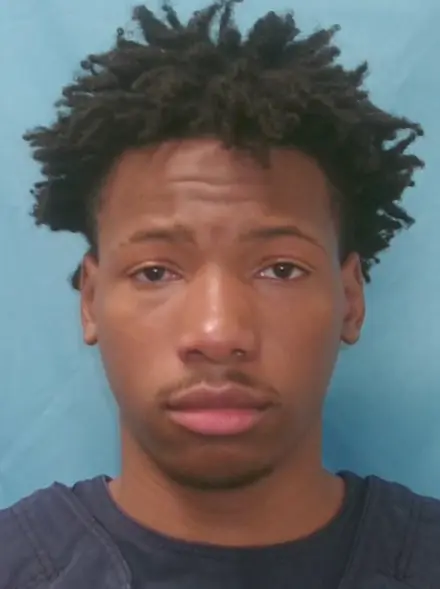
A Texas jury has found Karmelo Anthony guilty of first-degree murder in the fatal stabbing of high school athlete Austin Metcalf, bringing one of the most closely watched criminal trials in the state to a dramatic conclusion.
Jurors in Collin County deliberated for approximately three hours before returning the guilty verdict against Anthony, 19, for the April 2, 2025 killing of 17-year-old Austin Metcalf during a track and field event in Frisco, Texas.
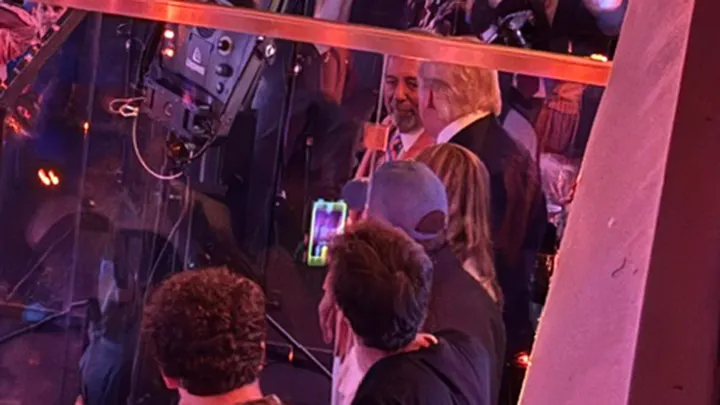
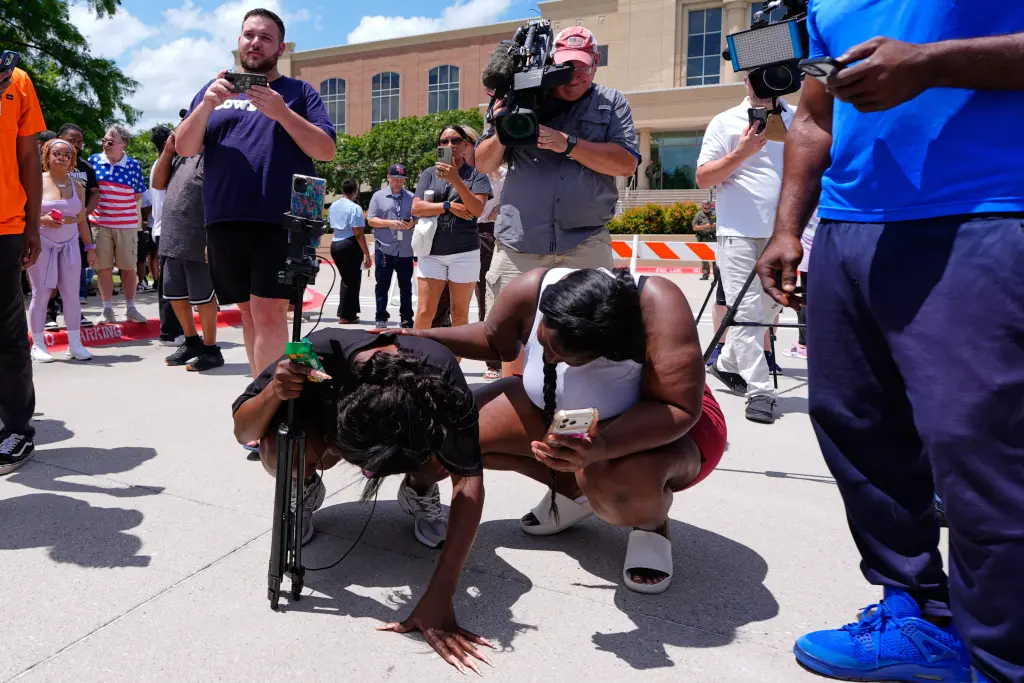
The verdict sparked emotional scenes inside and outside the courtroom.
According to reports from the courtroom, Anthony broke down in tears as the jury announced its decision. His mother, Kala Hayes, later took the witness stand during the sentencing phase and pleaded with jurors to show leniency.
“He’s my oldest. He’ll always be my baby. I love him very much,” Hayes said through tears.
“Please have mercy on my son.”
The jury must now determine Anthony's punishment. Under Texas law, a first-degree murder conviction carries a potential sentence ranging from several years in prison to life imprisonment.
Prosecutors argued throughout the trial that Anthony deliberately escalated a dispute that began when Metcalf and other students repeatedly asked him to leave an area underneath Memorial High School's team tent.
Witnesses testified that Anthony refused multiple requests to move. According to testimony, tensions escalated when Anthony allegedly warned Metcalf, “Touch me and find out,” while keeping his hand inside his backpack.
Jurors heard that after Metcalf shoved Anthony, the defendant pulled a folding knife from his bag and stabbed Metcalf once in the chest. The wound pierced the teenager's heart and proved fatal.
Metcalf's twin brother, Hunter, along with coaches and other students, desperately attempted to save him before emergency responders arrived. Testimony indicated that Anthony discarded the knife and headed toward an exit before being stopped by coaches.
The defense maintained that Anthony acted in self-defense, arguing that he feared for his safety during the confrontation. Attorneys emphasized the physical size difference between the two teenagers and claimed Anthony had a legal right to protect himself.
Prosecutors rejected that argument, contending that Anthony initiated and escalated the confrontation while bringing a prohibited weapon onto school property.
The trial featured emotional testimony from witnesses, coaches, family members, and classmates. Jurors were shown graphic evidence, including autopsy photographs and images from the scene, while members of Metcalf's family were visibly overcome with emotion at several points during the proceedings.
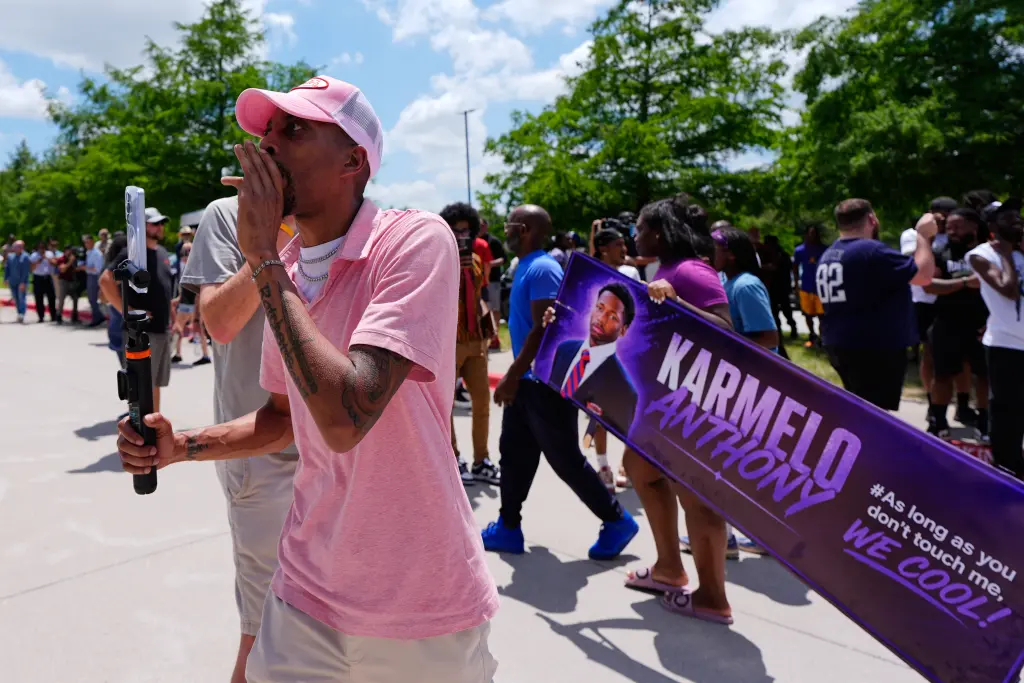
Following the verdict, tensions spilled outside the courthouse, where supporters and critics of Anthony gathered. Demonstrators on both sides exchanged heated arguments, with some supporters claiming racial factors influenced public perceptions of the case.
However, prosecutors consistently framed the trial as a straightforward murder case centered on the actions that occurred during the confrontation, while the defense focused on self-defense arguments rather than racial issues.
For Metcalf's family, the verdict represents a significant moment in a case that has brought immense grief since the death of the young athlete. For Anthony and his family, attention now shifts to sentencing, where jurors will determine how many years the convicted killer will spend behind bars.
The tragedy serves as a sobering reminder of how a brief confrontation can escalate into irreversible violence. What began as a dispute over seating arrangements at a high school sporting event ended with the loss of a young life, the destruction of another young man's future, and heartbreak for two families that will carry the consequences for years to come.