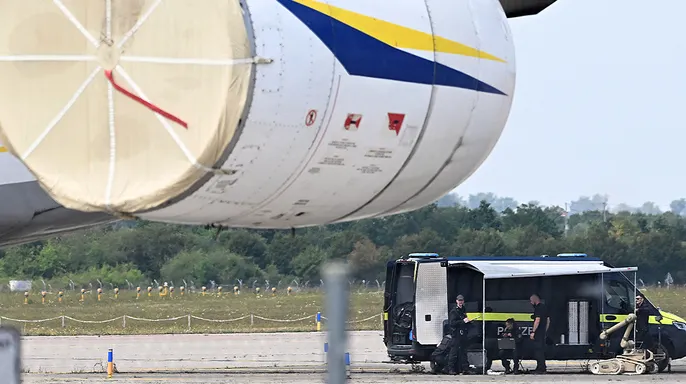
Germany has finally pointed a direct finger at Moscow, accusing the Kremlin of orchestrating a brazen drone sabotage operation at Leipzig/Halle Airport. The explosive discovery, made last month near Ukrainian cargo planes, has escalated tensions significantly, prompting Germany to take firm diplomatic action after investigators conclusively linked Russia to the August 4th attack.
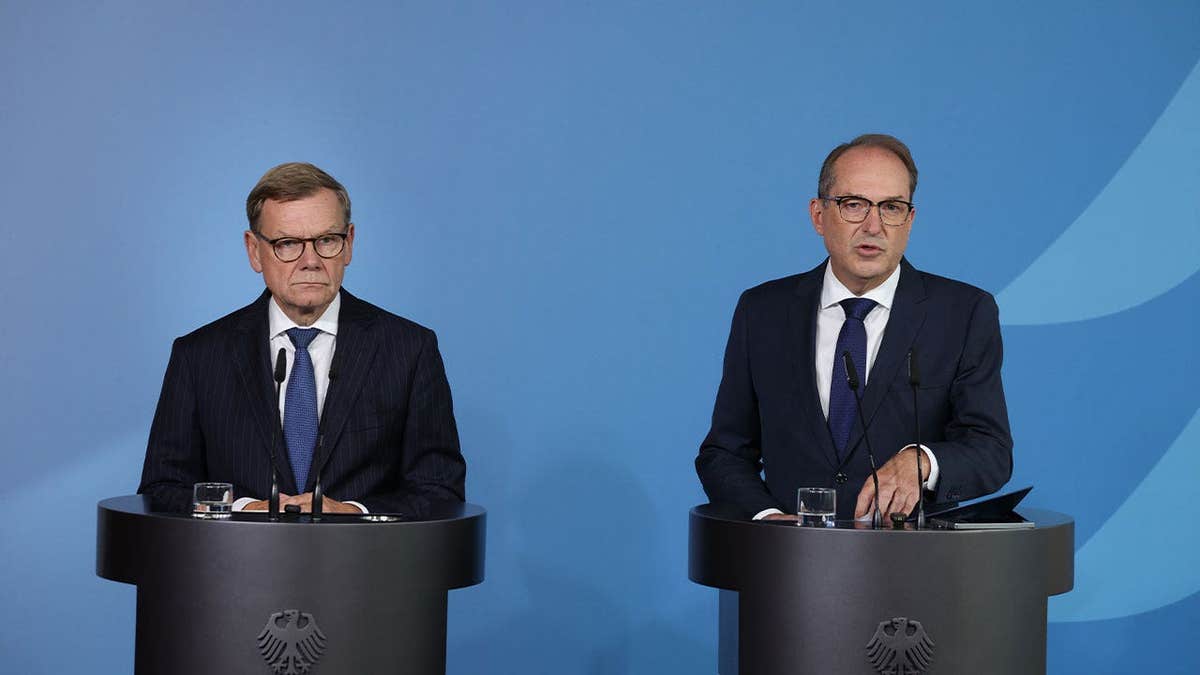
In a long-overdue move, German Foreign Minister Johann Wadephul announced the closure of Russia's consulate in Bonn and the termination of the contract for the Russian House cultural center in Berlin. This decisive action comes as German authorities confirmed Moscow's direct involvement in the incident.
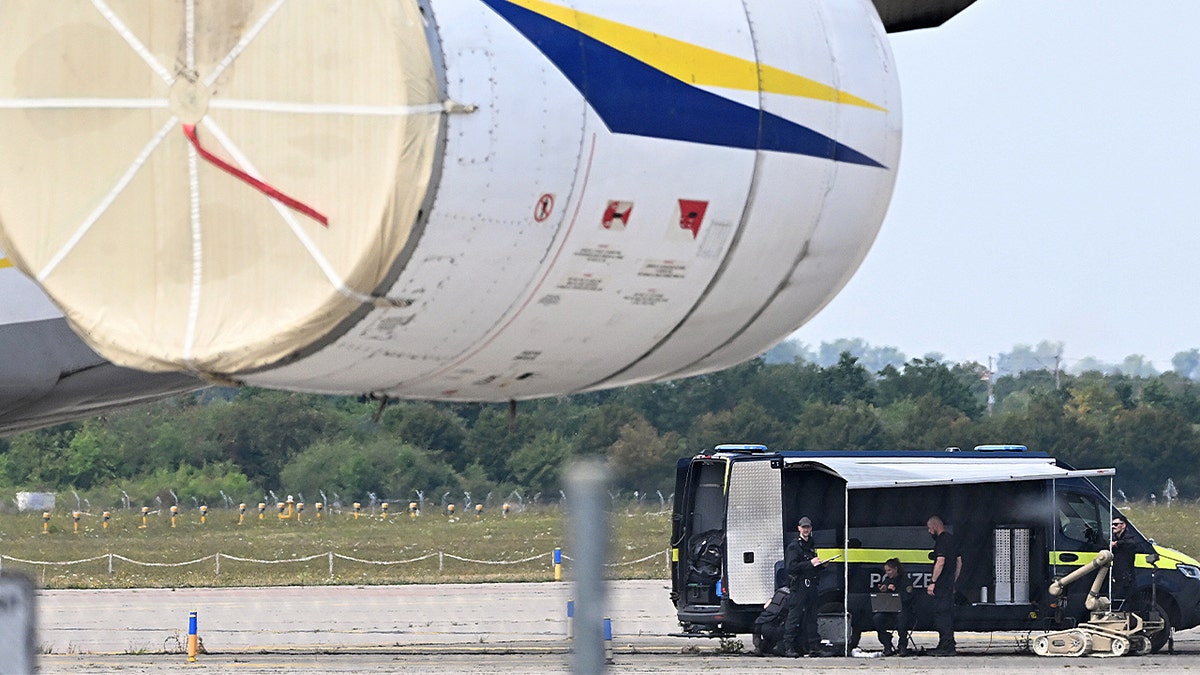
Interior Minister Alexander Dobrindt underscored the gravity of the situation, stating that forensic evidence and intelligence findings clearly tied Russia to the attack. The alarming discovery involved a drone carrying an explosive device placed right beside a Ukrainian Antonov cargo aircraft at the strategically vital Leipzig/Halle Airport. Fortunately, the device failed to detonat e due to a faulty detonator – a stroke of luck that prevented a potentially catastrophic act of state-sponsored terrorism.
Officials also indicated that a second drone reportedly collided with another nearby cargo aircraft. Dobrindt pointed to this incident as part of Russia's "well-established pattern of Russian hybrid operations in Europe," a concerning trend that has long been ignored or downplayed by some European capitals.
Predictably, Russia has dismissed the serious allegations. The Russian Embassy in Berlin predictably labeled the accusation "absurd," while Foreign Ministry spokeswoman Maria Zakharova issued a typical threat, stating Moscow would respond in a "mirror-image" fashion. The embassy later doubled down, calling Berlin's measures an "unprecedented escalation in Russian-German relations." Apparently, attempting to bomb critical infrastructure isn't an escalation, but holding the perpetrators accountable is.
Beyond closing diplomatic facilities, Wadephul detailed tighter entry restrictions for Russian nationals and additional measures targeting Russia's murky "shadow fleet." Russia's ambassador to Germany, Sergei Nechayev, was also summoned, a diplomatic reprimand for the Kremlin's reckless behavior.
This public attribution marks a significant shift for Germany, which had previously only vaguely alluded to "foreign powers." The change in tone follows earlier reports from U.S. officials who had already concluded Russia was responsible, highlighting a persistent lag in Europe's willingness to confront Moscow directly.
Leipzig/Halle Airport is not just any airstrip; it is one of Europe's largest cargo hubs and a crucial logistics center for Germany's military and NATO allies. Its role as a home base for Ukrainian Antonov transport aircraft makes it an undeniable strategic target for Moscow, underscoring the audacity and dangerous implications of this attempted sabotage.
NATO Secretary-General Mark Rutte quickly backed Germany's findings, stating unequivocally on X that the alliance "stands in full solidarity with Germany." Rutte emphasized, "The evidence is clear. And I welcome the measures announced by Germany in response." European Commission President Ursula von der Leyen echoed this sentiment, announcing that the European Union is preparing additional sanctions against Russia, while Polish Prime Minister Donald Tusk rightly accused Moscow of recklessly escalating tensions across the entire region.
These developments reinforce Germany's own warnings about an escalating campaign of hybrid threats targeting vital military, transportation, and critical infrastructure across the nation. As Chancellor Friedrich Merz sternly declared last week, those responsible for hostile acts against Germany will "pay a price."
In a related incident underscoring the pervasive nature of these threats, German police are also investigating improvised explosive and incendiary devices found at a power substation in Brandenburg. While authorities have not yet identified those responsible, the pattern of attacks on critical infrastructure is disturbingly clear.
The failed drone attack at Leipzig/Halle Airport serves as a stark reminder of the clear and present danger posed by rogue states intent on destabilizing Western nations. Germany's belated but firm response is a necessary step towards holding aggressors accountable and safeguarding critical infrastructure, ensuring the West stands united against those who threaten our national security and way of life.