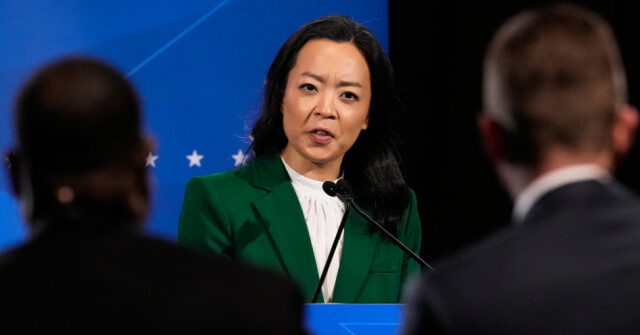
Even the most ardent progressive voters in Wisconsin found themselves staring down a cold dose of political reality during Tuesday's Democratic gubernatorial primary, a reality so stark even CNN was forced to report it.
CNN Chief National Affairs Correspondent Jeff Zeleny, reporting from the ground, highlighted a telling internal conflict within the Democrat base. He revealed that while some voters "enjoyed her policies," referring to candidate Francesca Hong, "they were worried about electability."
This wasn't just a fringe concern. Zeleny noted the "closeness of these results" directly reflected "conversations with voters all day long." What emerged was a pattern: "Even some of the most self-described liberal-leaning progressive voters expressed some concern and caution about Francesca Hong."
They might have "liked her" and "enjoyed her policies," Zeleny reported, but the ultimate deciding factor was fear—fear that a candidate too far to the left simply couldn't win. This "argument of electability" was clearly a potent force, actively championed by none other than Democrat Gov. Tony Evers, who was vocally supporting David Crowley.
The Wisconsin primary offers a revealing glimpse into the Democrat Party's ongoing struggle: how to appease its increasingly radical base while still projecting a palatable image to general election voters. When faced with the ballot box, it seems even some on the left reluctantly choose pragmatism over pure ideology, a stark reminder that extreme progressive policies often fail the common sense test when real votes are on the line. For the America First movement, this internal Democrat conflict underscores a critical truth: radical agendas, no matter how passionately embraced by a vocal minority, often falter when confronted by the will of a broader electorate wary of ideological extremism.