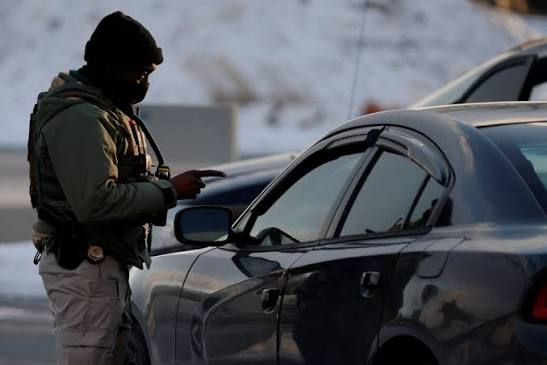
LEWISTON, Maine — A New England city once seen as a beacon for new arrivals now finds itself in the throes of a youth gun violence crisis, a stark testament to what can happen when a justice system falters and unchecked demographic shifts strain communities. This year alone, Lewiston police report 35 gun-related incidents, with a staggering 22 involving juveniles. The streets, once peaceful, now echo with fear.
"I don’t feel safe. I fear for my life," local teenager Mohamed Muhumed told Fox News Digital, recounting a brazen sidewalk assault. This sentiment is not unique; it’s a chilling reality for many residents in Maine’s second-most populous city, which has been profoundly transformed by an influx of refugees, primarily from Somalia and other African nations.
Lewiston Police Chief Carly Conley has rightly identified gun violence as "one of the most serious public safety challenges" facing the city. But the crisis runs deeper than mere statistics; it points to a systemic breakdown.
Jon Fetherston, a reporter for the conservative-leaning The Maine Wire, who has extensively covered this disturbing trend, laid bare the stark truth: "The gun violence in Lewiston is very concerning. The majority... has been committed by teenagers... Multiple times teenagers have been arrested and immediately released by the courts back out on the streets."
Fetherston continued, highlighting the frustration simmering among those on the front lines. "The court systems are being tapped. The DA is frustrated that the courts aren't putting these kids away in jail... Residents are scared. Residents are very, very frustrated, and you've got kids shooting kids, and it's almost become commonplace here in Lewiston." And there it is: common sense dictates that repeat offenders should not be allowed back onto the streets to terrorize the community, yet that is precisely what is happening.
City officials have responded with a reactive measure, approving $200,000 in additional police overtime. They’ve also issued calls for changes to Maine’s juvenile justice system, demanding more serious options for repeat violent offenders and greater scrutiny before high-risk juveniles are released. Mayor Carl Sheline, in a statement, pledged to "find you" for those perpetrating violence, yet also pivoted to emphasizing "parental involvement and accountability." While parental responsibility is crucial, it cannot excuse a broken judicial system that refuses to hold criminals accountable.
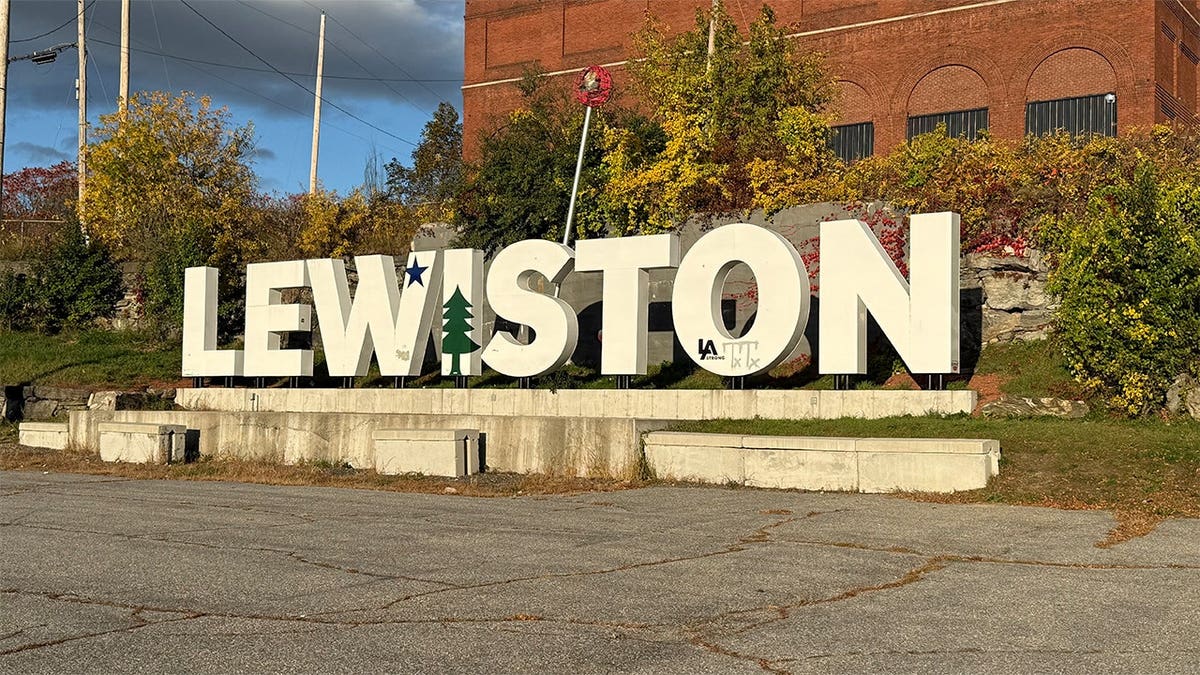
Republican mayoral candidate and former city council president, Rick LaChapelle, minced no words in his assessment. "Our biggest problem is the system itself. The police department is doing an excellent job catching these people. We have one young man that's been arrested 5 times, I believe, for the same thing. He gets arrested, gets brought down to the youth center… gets released." This is not justice; it is a revolving door that enables criminality and puts law-abiding citizens at risk.
LaChapelle directly blamed decades of entrenched left-leaning governance, arguing, "It's been a one-party rule forever that has instilled the rules that there's no accountability. We need to change the rules of the system." This is the bitter fruit of an ideology that prioritizes leniency over public safety and allows chaos to fester. It's not a mystery why Mayor Sheline, when reached for comment on his efforts, remained silent.
While official data does not specifically link the violence to any single ethnic group, LaChapelle observed, "That seems to be who's being arrested right now." Other residents, like teenagers Mohamed Adbei and Ifraax Saciid, a Somali native, suggest poverty is the root cause, claiming it’s a problem "happening everywhere." But what they miss is that while poverty can be a factor, it doesn't excuse a breakdown of law and order, nor does it absolve a system that fails to integrate new populations effectively or enforce existing laws. The city has also been an epicenter for Medicaid fraud scandals, another symptom of systemic issues that erode public trust.
The current state of affairs casts a harsh light on the foresight of former Mayor Larry Raymond, who, two decades ago, drew national attention for asking Somali leaders to curb further migration to Lewiston. He argued then that the rapid influx was straining city resources. History, it seems, has proven him tragically correct. Jon Fetherston affirmed this, stating, "history has proven him [Raymond] to be correct that... that it was too much too fast because a lot has changed in Lewiston. And things are not working out in Lewiston."
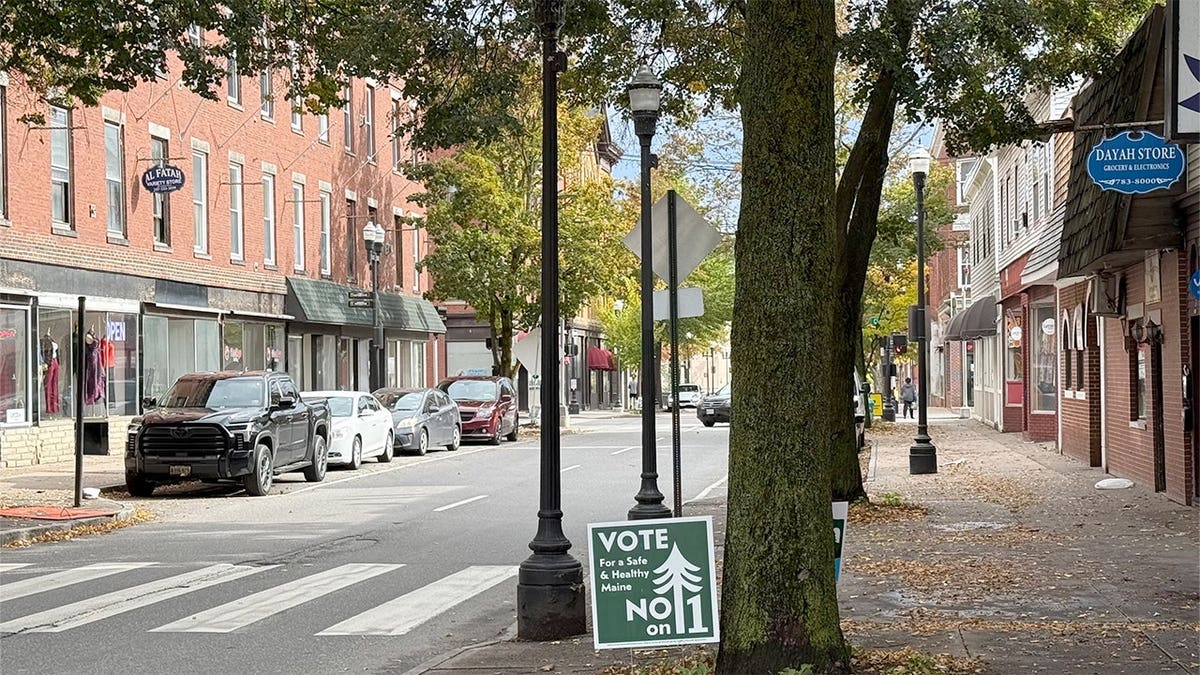
LaChapelle, a French Canadian, supports legal immigration but draws a crucial distinction. "When my ancestors got here, there wasn't a free... gravy train all the way down. Now we're supporting everybody. We have for 30 years, we still have some people that are still on the welfare system 30 years later. That has to change." This is the America First perspective: welcoming those who come legally and contribute, not enabling a system that breeds dependency and strains community resources to the breaking point.
The crisis in Lewiston is a grim reminder that genuine compassion for new arrivals must be balanced with common sense policies, robust law enforcement, and a justice system committed to accountability. When these foundational pillars of a civil society crumble under the weight of political correctness and a refusal to enforce the rule of law, the consequences are felt directly by the hardworking Americans who simply want to feel safe in their own communities. Lewiston’s plight serves as a cautionary tale for cities across America: without a strong commitment to law and order and responsible governance, the fabric of society will continue to unravel, leaving citizens to "fear for their lives" in what were once peaceful towns.