A surprising turn of events saw a liberal-led federal appeals court deliver a significant immigration victory to President Donald Trump this week, overturning two lower court orders that had previously stalled the termination of Temporary Protected Status (TPS) for migrants from South Sudan and Ethiopia. 
This crucial decision from the First Circuit Court of Appeals came after U.S. District Judges Brian Murphy and Patti Saris, in a clear display of judicial activism, issued orders last week to temporarily block the Trump administration’s termination of TPS. Their actions drew immediate and sharp criticism from legal experts and Trump administration officials, who rightly called these judges "rogue" for openly defying a clear Supreme Court precedent.
Adding to the intrigue, the three-judge First Circuit panel included two appointees by President Joe Biden, Judges Julie Rikelman and Seth Aframe, alongside President Donald Trump's appointee, Judge Joshua Dunlap.
In nearly identical rulings, the predominantly liberal panel concluded that the lower court judges' orders directly conflicted with the Supreme Court's definitive decision in Mullin v. Doe. That landmark ruling unequivocally established that courts are not to obstruct TPS terminations based on non-constitutional claims.
"Mullin held that 'the TPS statute's judicial-review bar applies to all non-constitutional claims' challenging the Secretary of Homeland Security's determination with respect to the termination of a TPS designation," the judges wrote, underscoring the legal clarity that some lower courts apparently chose to ignore. 
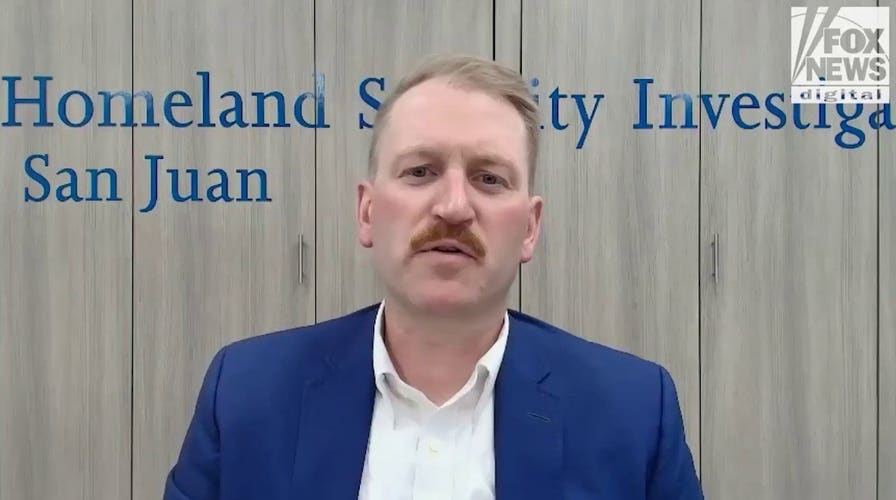
Iowa Solicitor General Eric Wessan confirmed the First Circuit's correct application of Supreme Court precedent, stating, "These are clear wins for President Trump following his big win at the U.S. Supreme Court, explaining that district courts are not supposed to second guess TPS terminations, and even as this plays out, we're moving towards the end of this litigation because district courts should not be hearing these disputes, and that's what the Supreme Court said." That part should not be complicated for any judge.
A Department of Homeland Security (DHS) spokesperson welcomed the rulings as "a win for the rule of law and common sense." They elaborated, "Temporary Protected Status is exactly that—temporary. For too long, TPS has been allowed to function as a de facto amnesty program despite Congress never intending it to be permanent." This sentiment resonates deeply with the America First perspective on border integrity.
The lawsuits were initiated by African Communities Together, an immigrant advocacy group, alongside individual TPS recipients. They alleged DHS unlawfully ended protections, claiming racial discrimination and improper assessment of country conditions. However, the legal reality, as clarified by the First Circuit, is that these claims, while asserted, do not justify judicial overreach in blocking lawful terminations. 
Judges Murphy and Saris had temporarily halted the TPS terminations last week, using procedural orders to maintain the status quo while they considered potential amended constitutional claims.
While Mullin v. Doe did leave open the door for courts to consider actual constitutional violations, Wessan emphatically stated that the district judges were operating outside "legal bounds" by blocking TPS terminations before any constitutional claims had been properly established.
"If they want to let the plaintiffs amend their complaint, they're allowed to do that, but in the meantime, TPS is over," Wessan explained, highlighting the proper legal sequence.
The First Circuit’s decisions mark a significant rebuke for Judges Murphy and Saris, who the Trump administration had previously accused of effectively circumventing the Supreme Court’s June ruling. DHS General Counsel James Percival didn't mince words, calling Judge Murphy's order an act of "mutiny against the Supreme Court" and Judge Saris's ruling "open defiance" of the justices' clear decision. 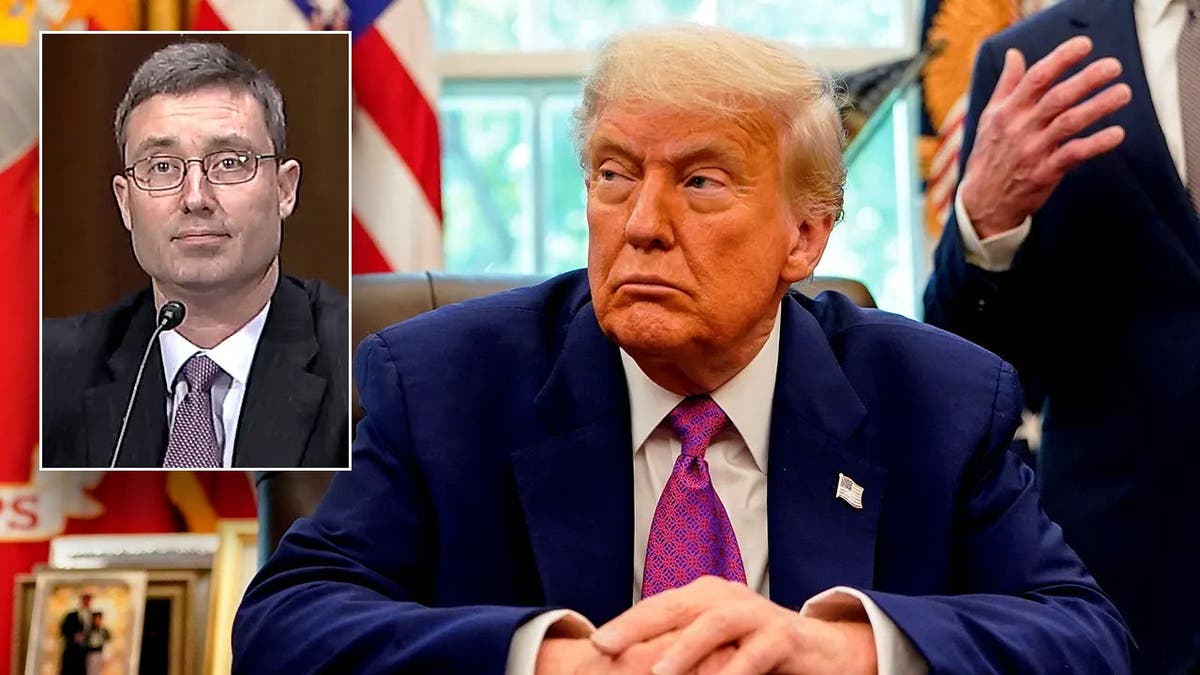
This unexpected victory from a liberal-leaning court underscores a fundamental principle: the rule of law must prevail over judicial activism, even when judges are appointed by those who might ideologically differ. It reaffirms President Trump's steadfast commitment to securing our borders, enforcing immigration laws as written, and preventing the cynical transformation of "temporary" protections into permanent amnesty. For America First principles, this is a clear sign that accountability can sometimes break through even the most entrenched progressive judicial barriers.