Louisiana Attorney General Liz Murrill is opening a new front in the long-running fight over accountability for Anthony Fauci, announcing that her state will investigate whether the former top federal health official committed offenses that could still be pursued.
Murrill, a Republican, announced Saturday that Louisiana would launch the investigation, saying the state intends to examine “whether he committed any other offenses” that can be prosecuted.
In a post on X, Murrill accused Fauci of having “lied” and noted that both Louisiana and Missouri had previously deposed him.
The announcement comes at a particularly striking moment.
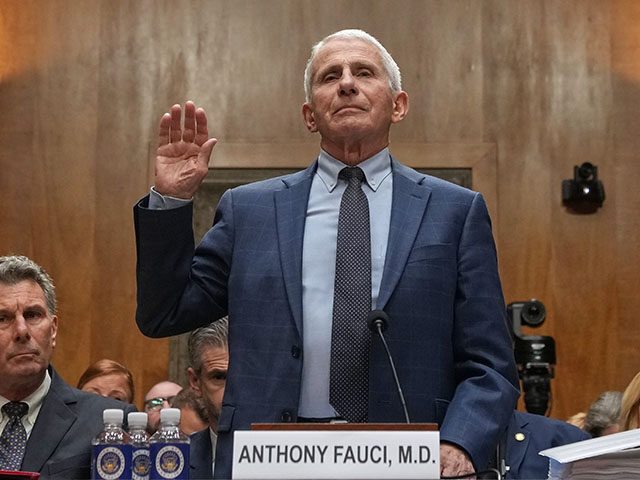
Just days earlier, Fauci appeared before the Senate Committee on Homeland Security and Governmental Affairs and invoked the Fifth Amendment more than 100 times during questioning.
That spectacle has only intensified demands for answers about the decisions and statements surrounding the federal government's handling of the COVID-19 pandemic.
Murrill said Louisiana is now joining Alabama and Florida in investigating Fauci, putting another Republican-led state into an expanding effort to examine whether the former NIAID director should face consequences for conduct beyond the political arguments that have surrounded him for years.
And that is where the story gets bigger than Fauci himself.
For millions of Americans, the pandemic era was defined by mandates, restrictions, school closures, economic disruption and government officials demanding extraordinary levels of public compliance. Questions about what federal officials knew, when they knew it and whether the public was given the full truth have never simply disappeared.
Now state investigators are continuing to pursue those questions.
Murrill's announcement signals that Louisiana does not intend to treat the matter as settled simply because the federal pandemic emergency is over or Fauci has retired from government.
The central issue is accountability.
If investigators uncover evidence of criminal conduct, that evidence should be examined on its merits—regardless of how powerful or politically connected the person involved once was. And if nothing prosecutable is found, the public deserves to know that too.
But the era when Americans were expected to simply trust federal health authorities without demanding answers is clearly over.
Louisiana is now asking the questions. Other states are doing the same. And after years of controversy, the American public has every right to expect the government to follow the evidence wherever it leads.