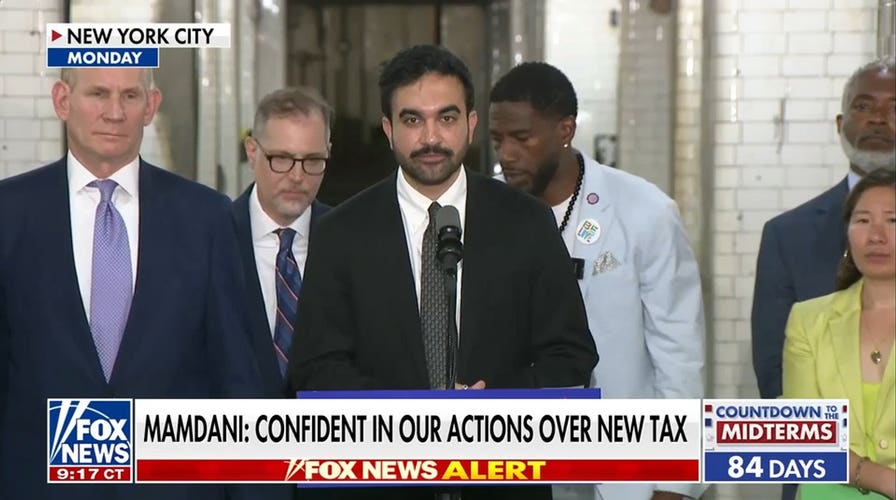
New York City’s progressive agenda just scored a temporary win, allowing Mayor Zohran Mamdani's deeply flawed "luxury-home tax" rollout to lumber forward. After a brief halt that offered a glimmer of hope to beleaguered homeowners, a New York appeals court on Thursday lifted the roadblock, effectively enabling the city to resume its controversial surcharge process while the legal battle drags on.
This development reverses, for now, the temporary order by Judge Philip Hom, who had paused the city's attempt to ram through a tax that has been widely criticized for its egregious implementation.
Randy Mastro, the attorney fearlessly representing the homeowners challenging this bureaucratic mess, pulled no punches in his statement to Fox News Digital. "It is a shame that the City can’t own up to its own mistakes and admit that it has badly botched the rollout of this surcharge," Mastro declared. He lambasted the administration for "doubling down," pursuing legal avenues to "harass and threaten New York City homeowners who clearly are permanent residents — something the City would know if it would only do its homework."
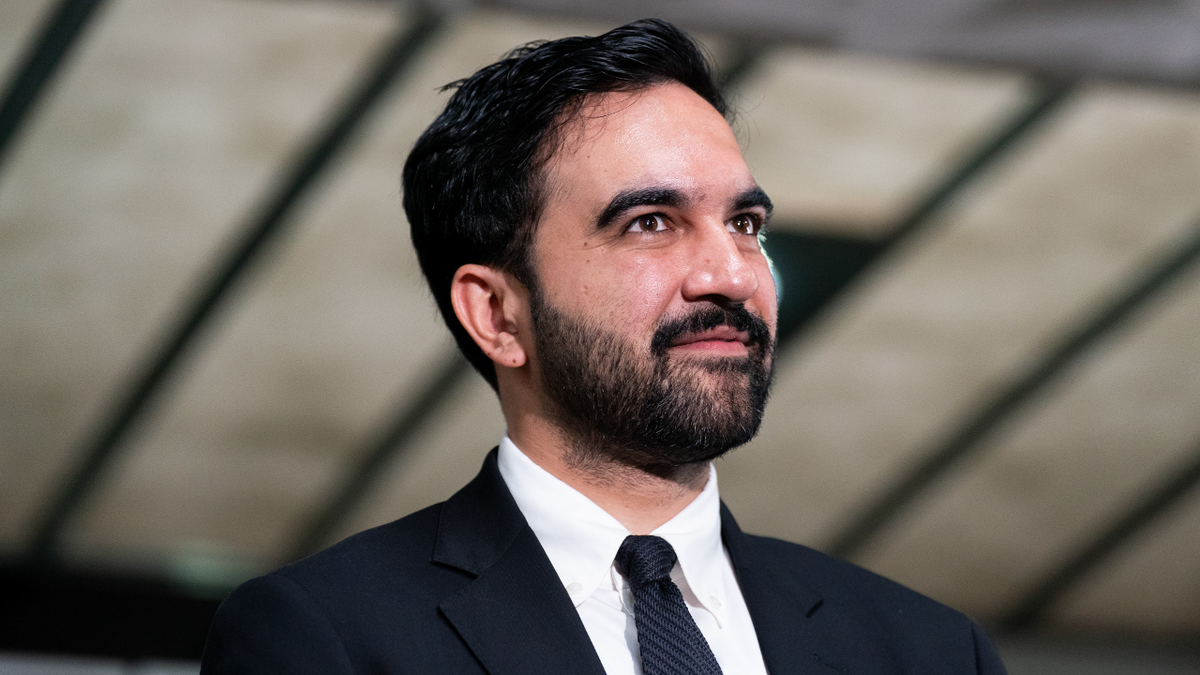
Mastro didn't stop there, accusing Mamdani's administration of recklessly pushing "thousands of surcharge ‘notices’ that are blatantly illegal." He added, "It is, quite frankly, outrageous that this Mayor is so desperate to further his agenda that he’s continuing to try to enforce thousands [of] surcharge ‘notices’ that are blatantly illegal."
The fight is far from over. Mastro vowed, "We remain confident that when we are back in court in a mere 18 days, the thousands of New York City homeowners who are now illegally burdened with the responsibility of proving they do indeed live in their own homes will finally get the permanent relief they deserve."

The procedural move by the appeals court means the city can now press its appeal, effectively staying the temporary restraining order that had offered homeowners a reprieve. This came after a heated dispute over whether the city’s appeal automatically put Judge Wayne Ozzi’s initial order on hold. Mastro had rightly warned against the city’s continued efforts to impose the surcharge, arguing most restrictions should remain.

Just days earlier, Judge Ozzi had emphatically halted the city’s rollout of the surcharge, which preposterously targets certain high-value properties not deemed primary residences. Ozzi had ordered the city to remove its deeply flawed supplemental property roll from its website and blocked officials from acting on that roll or the contentious notices sent to homeowners. He also froze enforcement of deadlines, including a looming September 18 deadline for administrative appeals.

The lawsuit, spearheaded by New York City homeowners Rachel O’Brien, Carmine Morano, and Simon Hedley, doesn't even challenge the concept of a surcharge itself, but rather the Mamdani administration’s shockingly incompetent and overbearing method of implementation. The plaintiffs correctly assert that the city has shirked its responsibility, improperly placing the burden on New Yorkers to prove residency, rather than doing its basic due diligence to identify qualifying properties first.
Adding insult to injury, the city’s publication of a supplemental property roll, encompassing information on more than 900,000 homeowners, has ignited "mass confusion" and subjected law-abiding citizens to "unwanted public scrutiny." Mastro, during a prior hearing, minced no words: "The city screwed this up… got it wrong… stop the train and make them do it over." He underscored, "The city is to bear the burden. They didn’t do their homework."
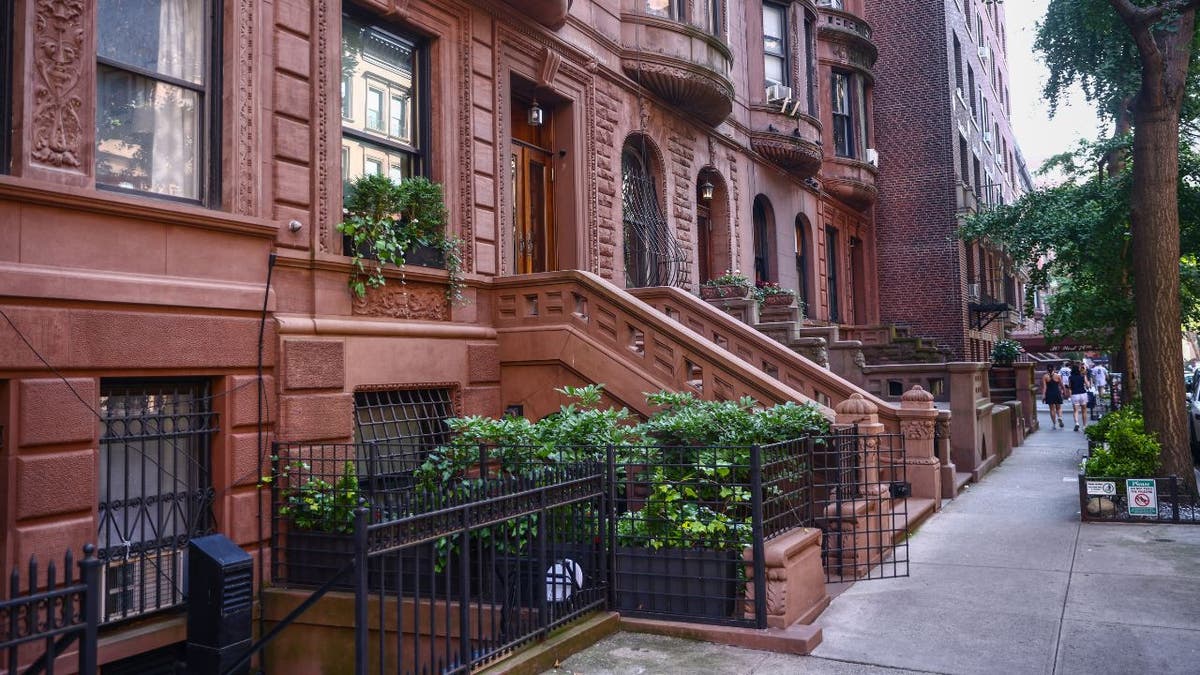
Unsurprisingly, the city fought back, arguing that Ozzi's order would disrupt the "status quo" and derail the Department of Finance's implementation, potentially jeopardizing projected revenue of at least $500 million through fiscal year 2028. This is the hallmark of progressive governance: prioritizing government coffers over the rights and convenience of its citizens, all while demanding citizens shoulder the administrative burden for the city's own failures.

They claim officials lack the information to make initial determinations without additional documentation from owners. Yet, as homeowner Simon Hedley’s experience proved—he easily obtained approval after submitting documentation—the city could have done its homework upfront.
While Mamdani’s administration immediately vowed to fight the lower court’s ruling, a spokesperson doubled down on the familiar progressive talking points. "This surcharge asks those who own second homes valued at $5 million or more to contribute their fair share to the city they benefit from," said Matt Rauschenbach.
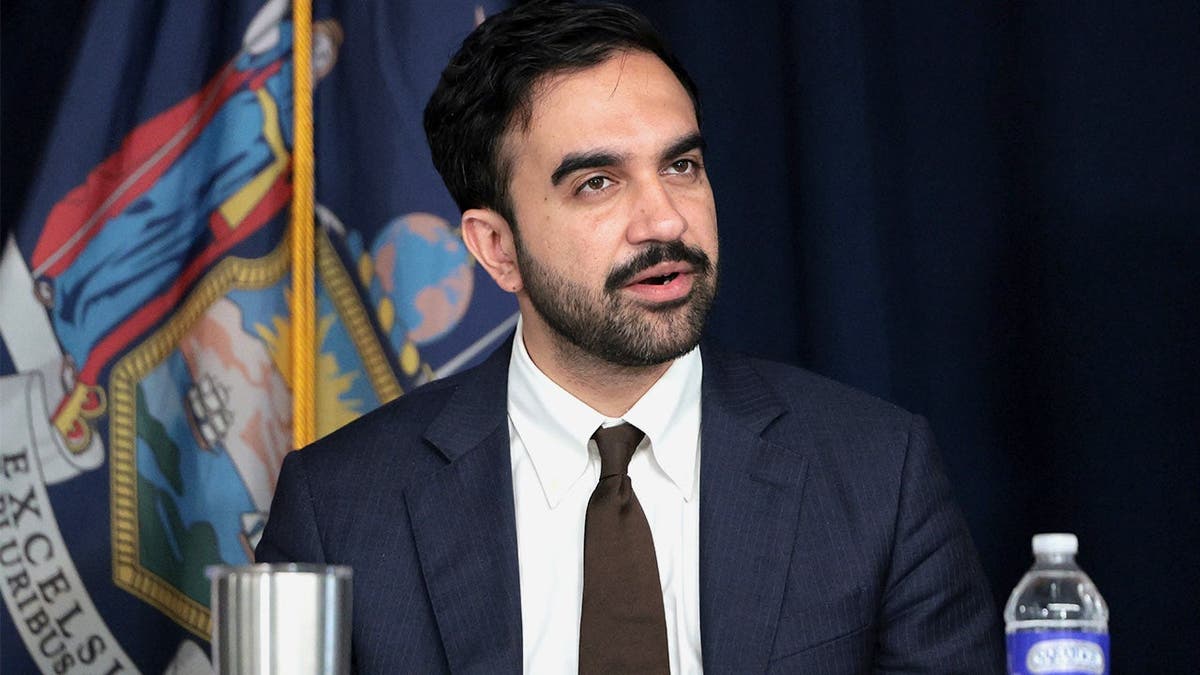
Mamdani himself had previously defended the tax, claiming revenue would fund essential city services like schools and public safety. He dismissed concerns, stating only about 17,000 homeowners out of 8.5 million were potentially affected, and touted an extended exemption deadline. This is a classic bait-and-switch: portray a punitive tax as "fair share" and dismiss its draconian implementation as a minor inconvenience, all while expanding government reach.

Thursday's procedural decision does not validate the city's flawed approach; it merely allows their appeal to proceed. The legal battle continues, but the core issue remains: a progressive administration imposing a poorly conceived tax, shifting its own bureaucratic failures onto hardworking New Yorkers. This saga serves as a stark reminder that unchecked government power, wielded by those prioritizing an ideological agenda over common sense and individual rights, will inevitably lead to chaos and injustice, demanding that citizens fight for their fundamental freedoms against an ever-expanding state.