For years, Americans have watched Los Angeles become the cautionary tale of what happens when failed leadership, soft-on-crime policies, and endless excuses replace common sense. Now, many New Yorkers fear their city is marching down the very same road.
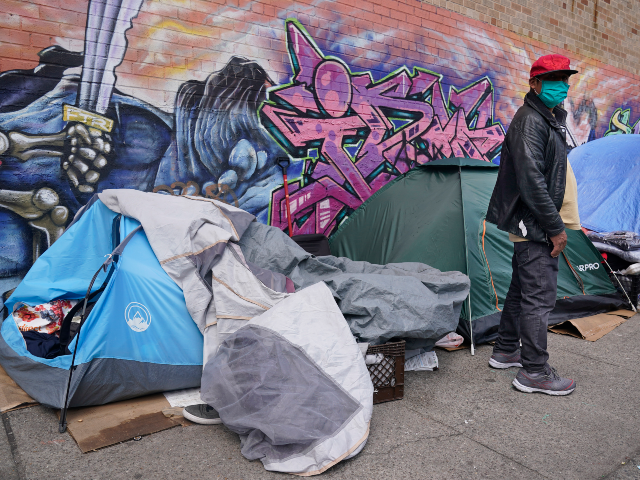
A sprawling homeless encampment stretching roughly 12 blocks along Manhattan's West Side is drawing growing outrage from residents, workers, and visitors who say City Hall is allowing a dangerous situation to spiral out of control. The expanding stretch of tents sits between the Intrepid Museum and the Jacob K. Javits Convention Center, creating a highly visible reminder of a crisis that many believe officials have failed to confront.
According to people who live and work in the area, the encampment has become increasingly difficult to ignore. They describe mounting piles of trash, rows of makeshift shelters, and what they say is ongoing illegal activity surrounding the growing settlement.
The situation has fueled comparisons to Los Angeles' infamous Skid Row, where decades of political dysfunction and permissive policies transformed entire neighborhoods into sprawling homeless encampments plagued by crime, addiction, and deteriorating public safety. Many New Yorkers worry their city is beginning to repeat that same costly experiment.
The timing also adds another layer to the city's political debate as socialist mayoral nominee Zohran Mamdani has become one of the most prominent faces of New York's progressive movement. While the encampment itself reflects broader challenges that have developed over time, critics argue the city's continued inability to restore order raises serious questions about the direction of its leadership and whether ideological promises are replacing practical solutions.
For nearby businesses, employees, tourists, and residents, the issue is not an abstract political argument. It is the reality of navigating sidewalks crowded with tents, accumulating garbage, and an environment they say feels increasingly unsafe.
Americans have long shown compassion toward those struggling with homelessness, addiction, and mental illness. But compassion without accountability is not a strategy. Public spaces belong to the public, and allowing entire neighborhoods to be overtaken by sprawling encampments serves neither vulnerable individuals nor the law-abiding citizens who call the city home.
New York has long been a symbol of American ambition and opportunity. Whether it remains that way will depend on leaders willing to restore public order, protect communities, and reject the failed policies that turned parts of Los Angeles into a national warning. Common sense is not cruelty—it is the foundation of safe, thriving cities.