After a week of critical service disruptions, Ukraine's Starlink access has been restored, but not before SpaceX CEO Elon Musk unleashed a blistering defense of his company's civilian satellite system, accusing Kyiv of violating its terms of service "to kill people." The explosive claims underscore the delicate balance of private enterprise in global conflicts and the escalating tensions surrounding foreign aid.
Musk, never one to shy from controversy, took to X on Saturday, stating unequivocally, "Using Starlink, a civilian commercial service, for offensive drone strikes to kill people has never been allowed, nor should it be." He further asserted that Ukraine "violated Starlink terms of service and used it for offensive drone strikes to kill people. That loophole was closed last week." This direct accusation paints a stark picture of alleged misuse, raising serious questions about accountability and the boundaries of wartime technology.
The tech titan clarified that Starshield, a distinct system, is under U.S. government control, with decisions regarding its use resting squarely with Washington. This distinction highlights the critical difference between commercial service and military hardware, a line Musk insists Ukraine crossed.
Despite the contentious claims, Musk affirmed Starlink's vital role in the conflict. "Starlink remains critical to the defense of Ukraine, as it is the only system that cannot be jammed or blown up, at least for now," he wrote. He issued a stark warning: "Were Starlink to be turned off, the Ukrainian front line would collapse immediately. This is NOT a threat, it is simply a statement of fact." Such statements underscore the indispensable nature of SpaceX's technology, placing immense leverage in the hands of a private entity.
Musk also launched a broadside against what he called "virtue-signaling evil warmongers who push for endless slaughter and offer no realistic solution to the conflict. May you burn in hell. End of story." This fiery rhetoric aligns with a common conservative critique of those perceived as eager for prolonged international engagements without clear objectives or an exit strategy.
Adding another layer to the convoluted narrative, Musk previously attributed the restrictions to the U.S. military, stating, "Any limits on speed or usage are decided by the US military and ultimately POTUS." This claim directed responsibility back to Washington, sparking a flurry of denials from officials like Secretary of State Marco Rubio and Pete Hegseth, who stated the U.S. government was not responsible.
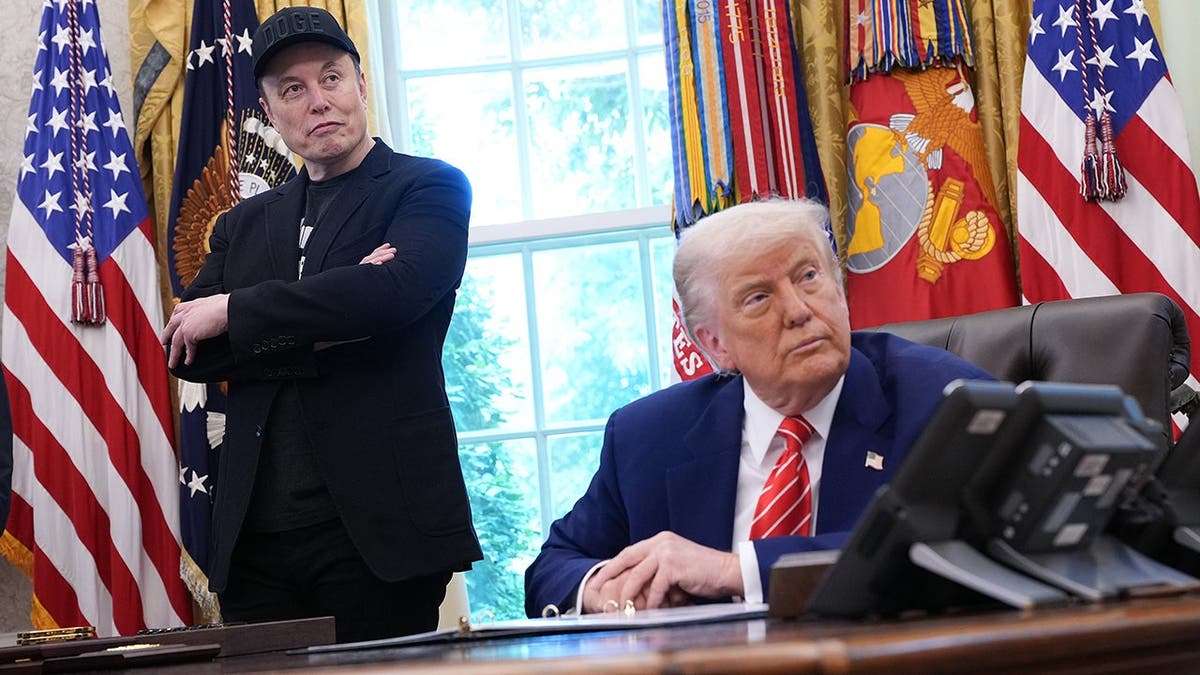
In a significant development, President Donald Trump, known for his direct approach, confirmed that he had discussed the matter with Musk on Saturday, though he declined to elaborate. Trump's engagement in the issue signals the high political stakes and his continued influence on global affairs, even from outside the White House.

Ukraine's Ministry of Defense announced Saturday that broader Starlink access had been regained, with stable connections at speeds up to 250 mph. The restoration comes amidst ongoing confusion and conflicting reports regarding the cause of the slowdown and who truly holds the levers of power in such critical situations.
This episode serves as a powerful reminder of the complexities inherent in modern warfare, where technology, private companies, and shifting political landscapes intersect. It also highlights the urgent need for clear boundaries, accountability, and common sense in the deployment of resources, ensuring that American interests and values remain paramount.