 The Federal Aviation Administration (FAA) unleashed a cascade of travel chaos across the United States, instituting a nationwide ground stop for all flights that stretched for more than five grueling hours on November 13. The official explanation points to "extraordinary circumstances and for reasons of safety," revealing a system struggling to cope.
The root cause, according to officials, was an air traffic control system buckling under an overload of data, forcing a complete shutdown. While Homeland Security Secretary Markwayne Mullin quickly stated, "We have seen zero evidence that this was a cyberattack or [super intelligence]," he prudently added, "We're still looking at it. We're not ruling out anything."
Secretary Mullin further elaborated on the systemic vulnerability, explaining that "new technology was introduced to the older air traffic control system, which overwhelmed it." This candid admission by Mullin, alongside Transportation Secretary Sean Duffy's blunt assessment – "It's an old system that went down. It went down everywhere. It got overloaded" – paints a clear picture of neglected infrastructure finally reaching its breaking point. The National Security Agency has been called in to assist, underscoring the severity of the failure.
The emergency alert, issued at 3:54 p.m. ET, brought all aircraft operations to a grinding halt, delaying thousands of travelers and leading to the cancellation of at least 5,000 flights. While Secretary Duffy expressed optimism that airlines could catch up over the weekend, he offered a sobering forecast: the system might not be fully operational until Thanksgiving weekend, hinting at the true depth of the problem.
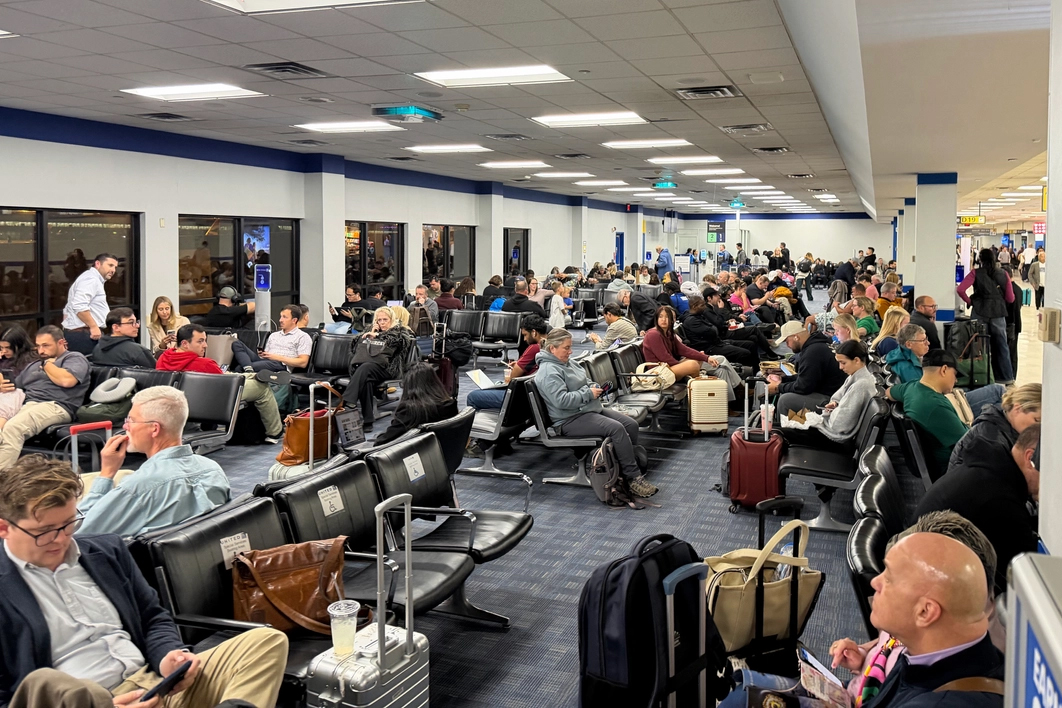
Amidst the chaos, medical flights and emergency ambulances were thankfully exempt, a small relief in a day of massive disruption. Approximately 3,500 aircraft bound for U.S. airports were already airborne when the order came down, leaving countless passengers stranded in mid-journey or stuck at terminals across the nation.
One such traveler, Gillian Hamilton, attempting to fly from Nashville to Saskatchewan, found herself already boarded on her WestJet plane when the ground stop hit. "We had already boarded and then had to wait an hour on the plane," Hamilton recounted. "The flight attendants didn't know what to say. They just kept apologizing and served refreshments and snacks." Frustrated by the uncertainty, Hamilton and her friends made the decision to rent a car and embark on a 30-hour drive to Canada, a testament to the sheer desperation caused by the FAA's failure.
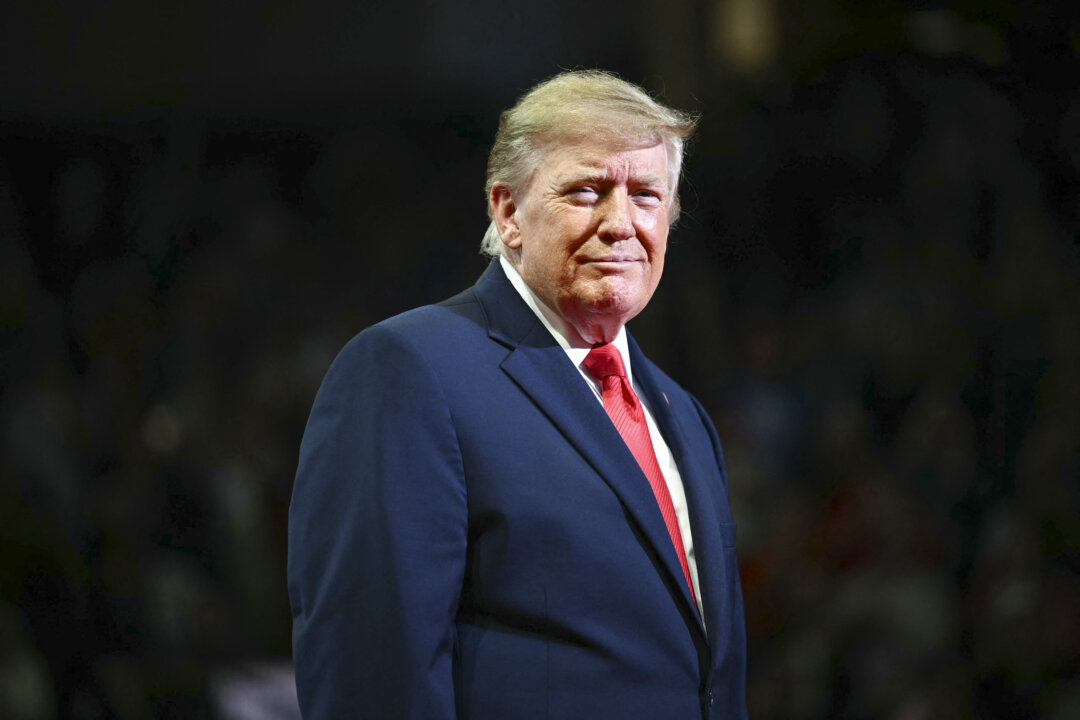
President Donald Trump was promptly briefed on the situation, demonstrating the immediate attention given at the highest levels. Secretary Mullin also dismissed any connection to a Microsoft outage from the previous day, streamlining the focus on the FAA's internal issues. Other crucial agencies like the State Department and the Cybersecurity and Infrastructure Security Agency joined the effort, highlighting a robust, coordinated federal response to contain the crisis.
Even as facts were still emerging, a predictable chorus of congressional Democrats wasted no time politicizing the crisis. New Jersey Democrat Rep. Herb Conaway immediately declared, "The Trump Administration must answer for this disruption. The American people deserve a full explanation, and Congress must be immediately briefed on what went wrong and who is responsible." His sentiments were echoed by Illinois Sen. Tammy Duckworth and Rep. Delia Ramirez, who both called for investigations and expressed alarm.
This rush to judgment from the Left conveniently overlooks the fact that nationwide ground stops, while rare, are not unprecedented – nor are they exclusive to a conservative administration. The last such incident occurred on January 11, 2023, during the Biden administration, when a contractor's actions crashed the Notice to Air Missions pilot safety system, grounding domestic departures for 90 minutes. Yet, somehow, the previous episode did not elicit the same level of hyperbolic outrage or immediate partisan blame from these same Democrat voices. Funny how that always seems to happen in one direction.
President Trump, speaking to Fox News, echoed the official findings, noting the disruption "didn't seem like a cyberattack or a problem with artificial intelligence," further pouring cold water on sensationalist speculation. With no group taking credit for the incident, the focus remains squarely on the glaring need for modernization and secure, reliable infrastructure.
This widespread disruption serves as a stark reminder that vital American infrastructure, including our air traffic control systems, cannot be allowed to languish in obsolescence. The American people deserve a system that is robust, resilient, and immune to the kind of catastrophic failure witnessed today, rather than a political blame game from those who prefer partisan attacks over genuine solutions for national security and public trust.