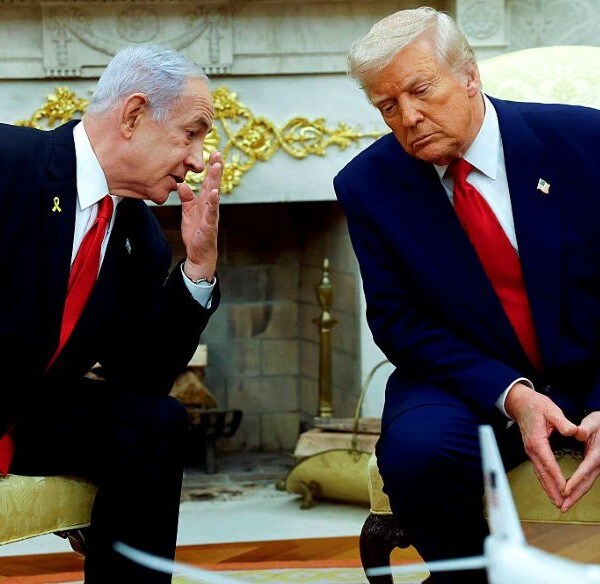
Israeli Prime Minister Benjamin Netanyahu ordered the Israeli military on June 1 to strike Hezbollah targets in Beirut's southern suburbs as Israel continued to expand its military campaign against the Iran-backed group.
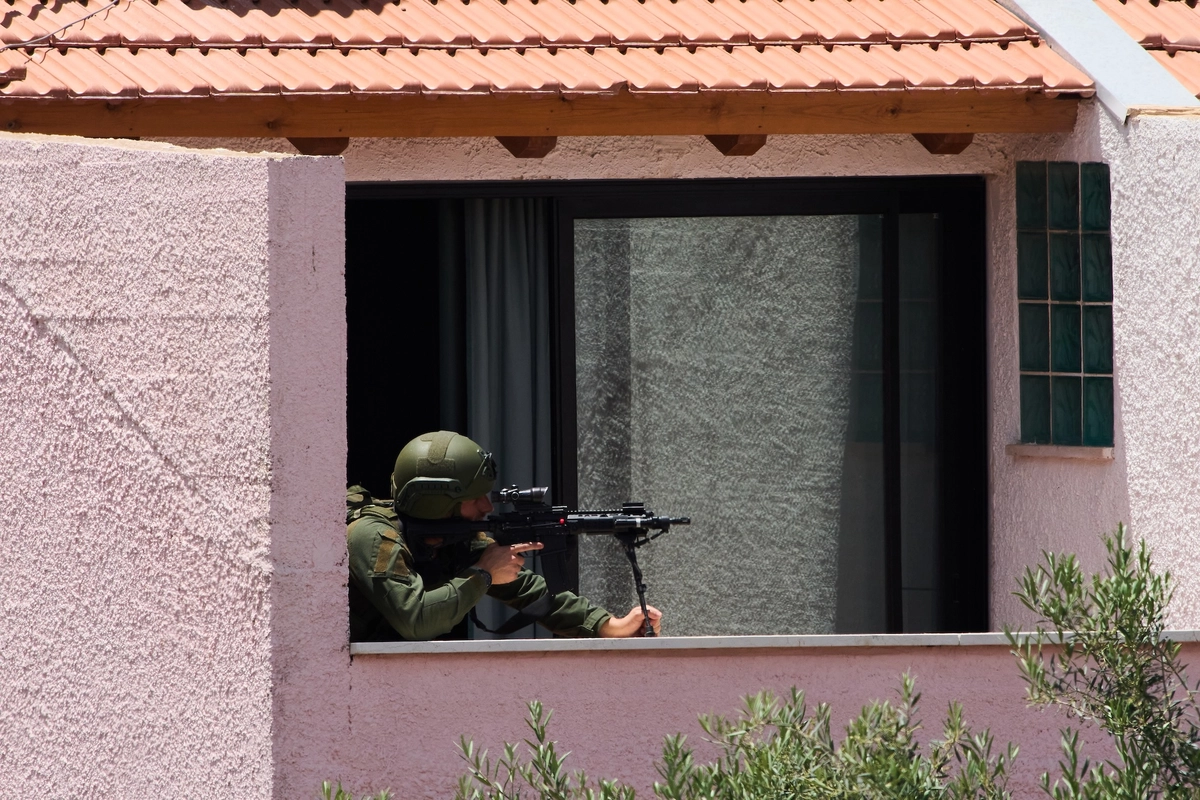
The directive came despite a ceasefire that has nominally been in place since April and followed a broader expansion of Israeli military operations in Lebanon. Israeli forces have intensified their ground offensive in southern Lebanon and extended activities north of the Litani River.
At the same time, U.S. diplomatic efforts have been focused on keeping negotiations between Israel and Lebanon on track in hopes of reaching a more comprehensive agreement to end the fighting.
In a joint statement posted on X, Netanyahu and Israeli Defense Minister Israel Katz said the strikes were a response to what they described as repeated violations of the ceasefire by Hezbollah.
“In response to the repeated and ongoing violations of the ceasefire in Lebanon by the terrorist organization Hezbollah and the attacks against our cities and citizens, Prime Minister Benjamin Netanyahu and Defense Minister Israel Katz have ordered the IDF to strike terrorist targets in the Dahiyeh district of Beirut,” the statement said.
The Dahiyeh district, located in Beirut's southern suburbs, has long been considered a stronghold of Hezbollah and has frequently been a focal point during periods of conflict between Israel and the organization.
The latest order reflects the continuing tensions between Israel and Hezbollah despite ongoing diplomatic efforts aimed at reducing hostilities. As military operations expand and negotiations continue, attention remains focused on whether the ceasefire can be preserved or whether the conflict will enter a new phase.
For now, both military developments and diplomatic initiatives are unfolding simultaneously, leaving regional observers closely watching for signs of either escalation or progress toward a more durable agreement.