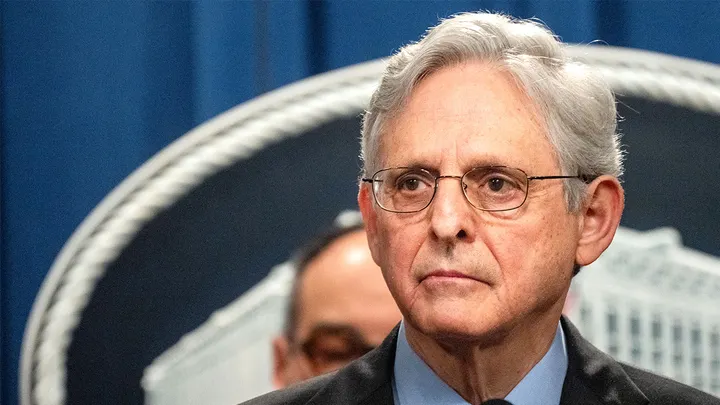
Newly released Justice Department emails are shedding light on internal opposition surrounding a controversial 2021 memo issued under then-Attorney General Merrick Garland addressing threats directed at school boards.
The debate emerged during a period when parents across the country were attending school board meetings to voice frustration over COVID-era education policies and disputes surrounding classroom instruction on race and gender.
At the time, the National School Boards Association asked the Justice Department for assistance, arguing that certain actions by angry parents could rise to the level of domestic terrorism concerns.
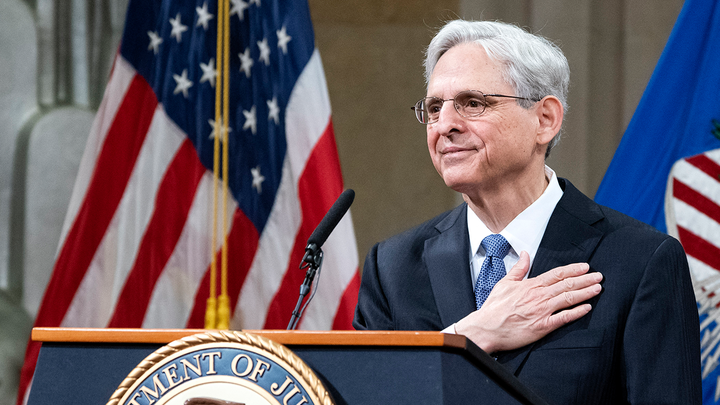
In response, the Justice Department issued a directive in October 2021 intended to coordinate federal efforts regarding what officials described as increased harassment, intimidation, and threats against school board members, teachers, and education workers.
According to newly disclosed emails, however, several senior DOJ officials privately questioned both the legal foundation and political consequences of the initiative.
One deputy assistant attorney general strongly objected internally, warning that the approach could undermine existing election-related threat efforts and damage the credibility of the department’s Public Integrity Section.
Another official reportedly criticized the proposal as overly political and suggested that continuing down that path would create perceptions of targeting specific political groups.
Additional internal messages raised concerns about whether the department had a legitimate federal interest or legal authority to engage in the matter as proposed.
One official argued there was “no conceivable connection” to the Public Integrity Section’s responsibilities, while another warned the memo risked turning the DOJ and FBI into what was described internally as “the threat police,” questioning whether sufficient limits existed.
The controversy eventually generated strong backlash from Republican lawmakers, state officials, commentators, and parent organizations. Following the reaction, the National School Boards Association later formally apologized for its earlier letter requesting legal scrutiny involving parents.
Internal government debates are rarely visible in real time, which is why released communications often attract attention years later—they show that disagreements inside institutions can be much sharper than public statements suggest.
As more records emerge, the discussion is likely to continue around government authority, parental activism, and how agencies balance public safety concerns with constitutional protections and public trust.