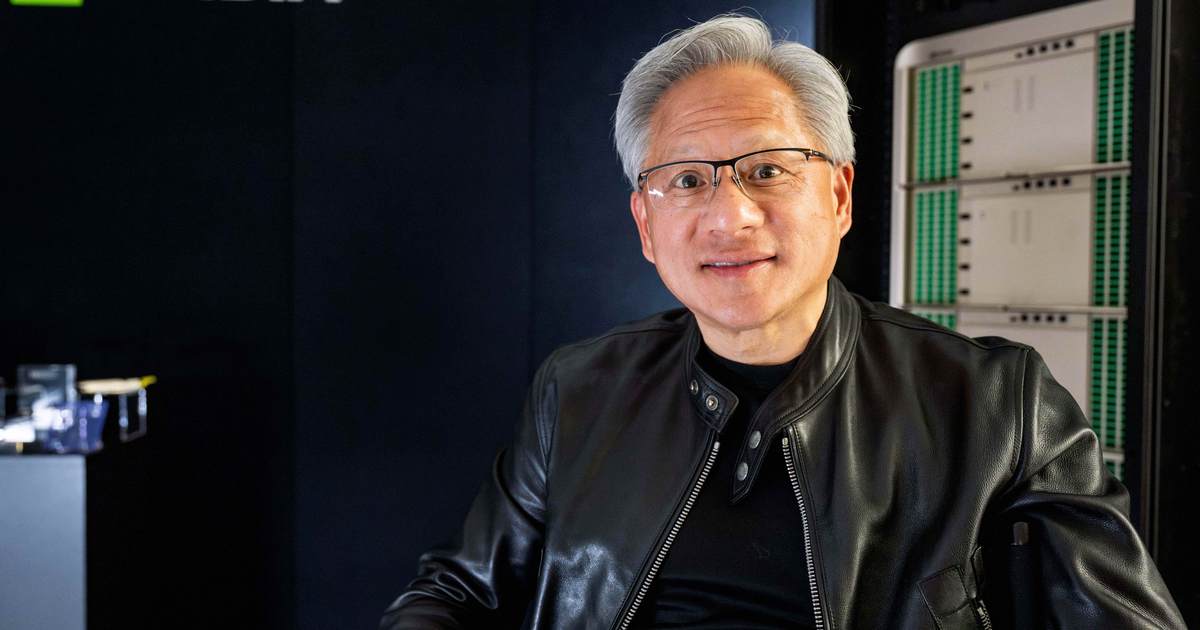

Jensen Huang, the co-founder and longtime chief executive of Nvidia, has resigned as president, CEO, and board member, effective immediately. This abrupt departure on Thursday terminates a 33-year tenure that once saw Nvidia transform into the indispensable supplier of chips for the global artificial intelligence revolution.
Chief Financial Officer Colette Kress has been named interim CEO as the board scrambles to find a permanent replacement for the tech titan.
Huang’s forced exit comes in the wake of a corporate melodrama ignited by his admitted affairs. Two such relationships have been publicly acknowledged by Huang, leaving many to wonder how many more might exist in the shadows. The most recent and alarming revelation involves a paramour who appears to be not just a romantic interest, but potentially a Chinese intelligence officer. This individual was allegedly running a front company explicitly designed to circumvent U.S. restrictions on China's access to critical Nvidia chips. Since this scandal broke on October 29, Nvidia has seen a staggering 30% — a cool $1 trillion with a 'T' — wiped from its stock value.
The unraveling began with an October 29 report, alleging that Huang’s girlfriend, Alice Huang (no relation), was in fact a Chinese intelligence agent. Prior reports detailed how Chinese spy agencies allegedly recruited women close to Nvidia's CEO and Huang's subsequent admission of the affair as Nvidia launched an internal China spy probe.
Ms. Huang was an executive at Singapore-based Megaspeed, a significant Nvidia customer that has drawn the scrutiny of U.S. authorities for the suspected diversion of advanced chips to China. A recent investigation revealed that Megaspeed remarkably operated without offices, facilities, or apparent employees, despite accounting for a shocking 10 to 15 percent of Nvidia’s revenue. Its operations were confined to leased space within an accounting firm specializing in managing shell corporations – a detail that screams 'red flag' louder than any siren.
Adding to Huang's personal wreckage, a second reported relationship involved Kimberly Powell, Nvidia’s vice president of healthcare, who reported directly to Huang. This affair further complicated an already compromised leadership position.
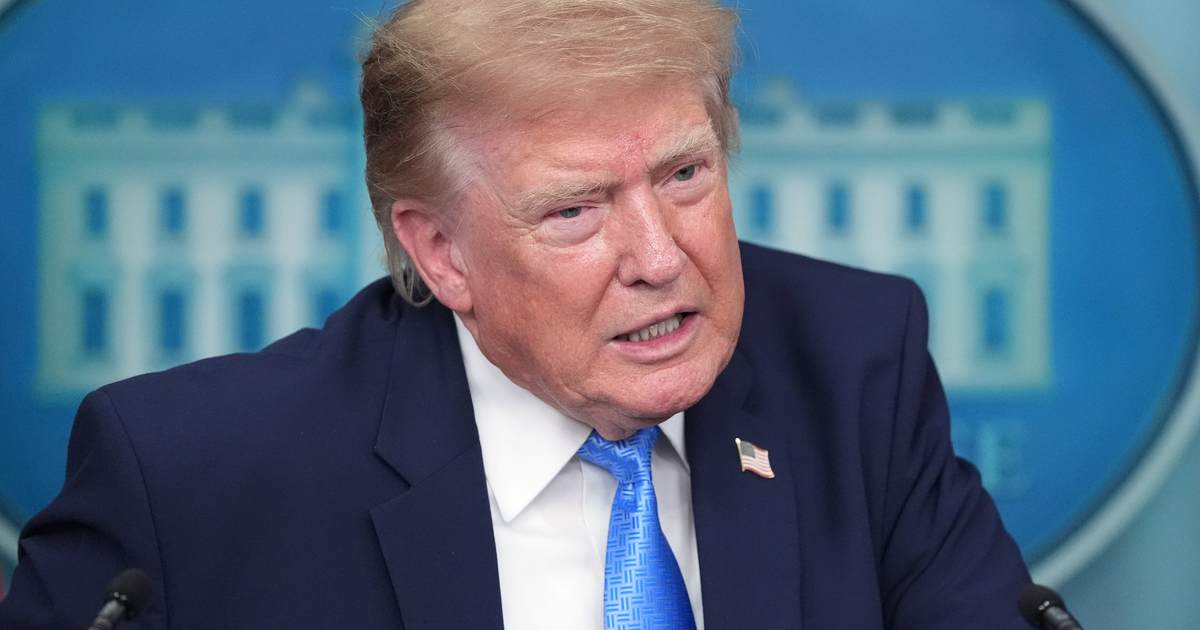
In response to the growing crisis, Nvidia's board retained outside counsel and launched an investigation. Huang, for his part, pledged full cooperation and emphasized his commitment to U.S. national security. Even President Trump weighed in, publicly defending Huang’s past contributions while prudently noting the CEO’s claim that he was unaware of any espionage links. A stark contrast to the reckless claims often made by the current administration.
However, the real scandal transcends Huang’s personal failings, bleeding directly into Washington and raising serious questions about the inexplicable inaction of Commerce Secretary Howard Lutnick. Axios and other outlets reported that Lutnick received a highly classified memo, prepared under Secretary of State Marco Rubio, which explicitly warned of the relationship between Huang and Alice Huang, and Megaspeed’s suspicious activities. Senior officials, including Treasury Secretary Scott Bessent, forcefully pressed Lutnick’s department to place Megaspeed on the entity list and implement crucial controls. Bessent reportedly confronted Lutnick directly in a Situation Room meeting last week. Sources describe a puzzling resistance from Commerce, with Lutnick at one point stating he needed to check further with the president. This suggests either an alarming level of bureaucratic incompetence or something far more sinister: a deliberate obstruction of national security for reasons yet unknown.
The fate of Nvidia, a company representing about 6 percent of the S&P 500 index, directly impacts the 401k plans of hardworking Americans. Under Huang, Nvidia achieved a dominant role in manufacturing the high-end chips essential for AI applications, making its stability a critical economic issue for the United States.
While Nvidia will undoubtedly find a new executive to navigate its future – perhaps even a perfectly qualified H1B, because, of course – the true crisis lies not with a single CEO's moral failings. The undeniable issue is the burgeoning scandal surrounding Nvidia’s favored treatment by the Department of Commerce and that department's staggering failure, or rather, its profound reluctance, to act on a high-level intelligence warning concerning the direct connection between the Chinese intelligence apparatus and a key Nvidia customer. This is not merely a corporate shake-up; it is a glaring national security vulnerability, exposing a potentially compromised Commerce Department that appears to prioritize unknown agendas over protecting American interests. The American people deserve answers, and they deserve accountability from an administration that seems to have left the gates open for our adversaries.