Global energy markets were jolted Monday after renewed fighting between the United States and Iran sent oil prices sharply higher and reignited fears over one of the world's most critical shipping lanes.
Brent crude, the international benchmark, climbed 3.9 percent to $78.96 per barrel in early U.S. trading, while West Texas Intermediate, the U.S. benchmark, rose 4 percent to $74.26 per barrel. Global stock markets largely moved lower as investors weighed the growing geopolitical risks.
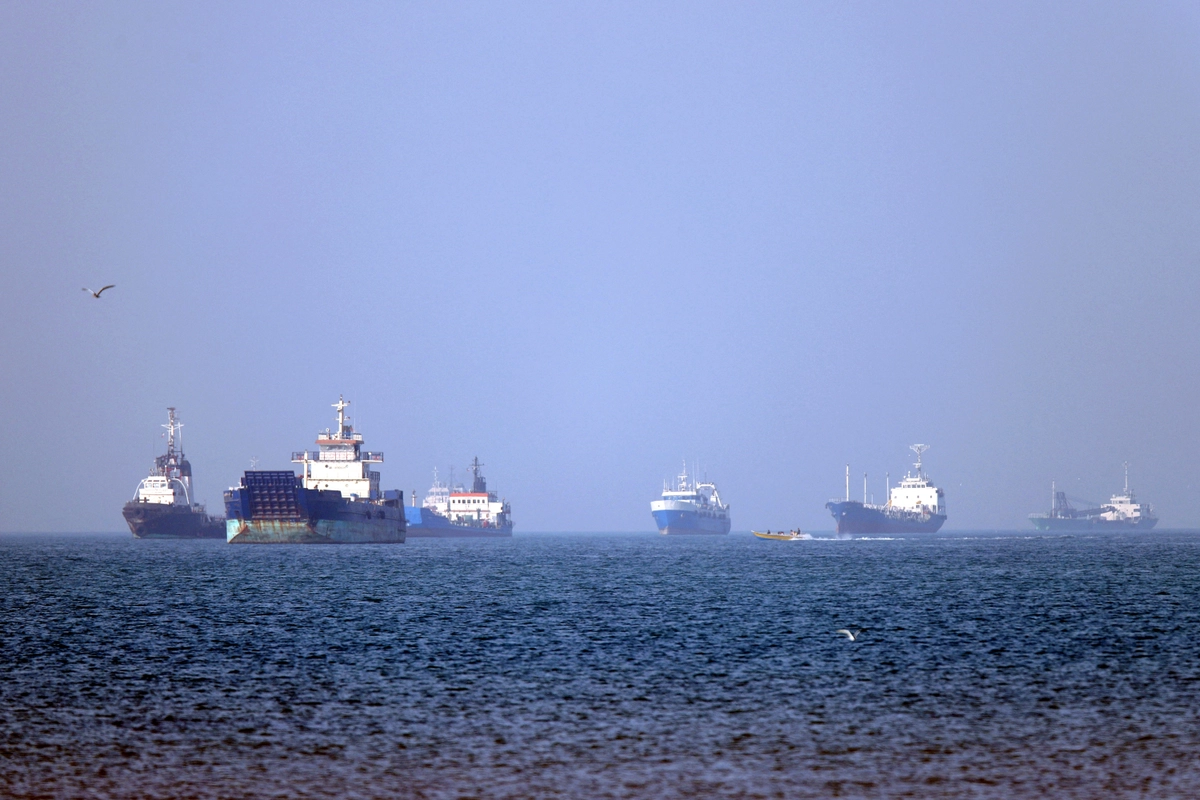
The latest surge followed an escalation in hostilities between Washington and Tehran, with the Islamic Revolutionary Guard Corps (IRGC) declaring that the Strait of Hormuz would remain closed to vessel traffic until what it described as U.S. "interference" in the strategic waterway comes to an end.
The Strait of Hormuz is one of the world's most vital maritime chokepoints, carrying a significant share of global oil exports. Any threat to commercial shipping through the narrow passage immediately raises concerns over fuel supplies, transportation costs, and inflation around the world.
The renewed tensions reverse much of the optimism that followed a memorandum of understanding signed by Washington and Tehran in mid-June. That agreement had paused the conflict and, at least on paper, restored commercial traffic through the Strait of Hormuz, helping push oil prices back toward pre-conflict levels.
Those gains have now been erased as military tensions once again dominate the outlook. Markets are closely watching whether the confrontation remains contained or expands into a broader regional conflict that could further disrupt energy supplies and international commerce.
The latest developments also reinforce the strategic importance of maintaining freedom of navigation through the Gulf. For decades, preventing hostile regimes from controlling critical global trade routes has been viewed as a core national security interest for the United States and its allies.
As the situation continues to evolve, the economic consequences are already being felt far beyond the Middle East. Higher energy prices have the potential to ripple through nearly every sector of the economy, reminding Americans that strong deterrence, secure trade routes, and decisive leadership remain essential to protecting both national security and economic stability under an America First approach.