The era of voluntary oil production cuts is coming to a close.
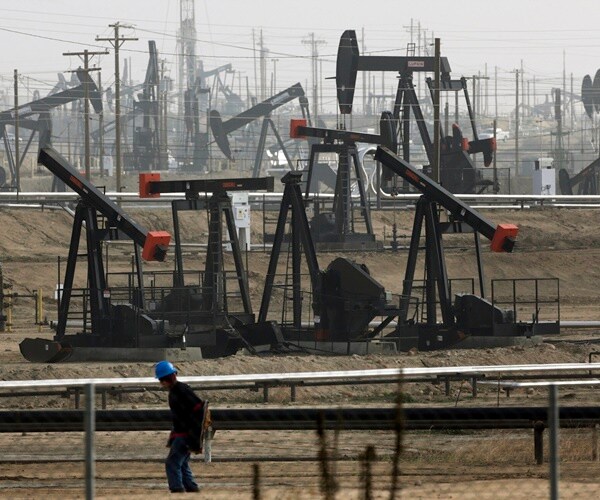
OPEC+ agreed Sunday to raise its production quota by roughly 188,000 barrels per day beginning in September, completing the group’s phased rollback of a major layer of voluntary supply restrictions.
The move marks another step toward putting more oil onto global markets at a time when energy security has become increasingly important amid wars involving Iran and Ukraine.
The latest increase was approved by core OPEC+ members including Saudi Arabia, Russia, Iraq, Kuwait, Algeria, Kazakhstan and Oman.
Together, the producers are completing the rollback of a 1.65 million-barrel-per-day cut originally agreed in 2023.
On paper, that represents a substantial shift.
In reality, however, the impact has been far less dramatic.
Export disruptions linked to the Iran and Ukraine wars have prevented several of the production increases announced throughout the year from translating into a comparable increase in actual barrels reaching the market. In other words, OPEC+ can raise quotas—but barrels still have to make it through the increasingly complicated global energy system.
That distinction matters.
Energy markets are being shaped not only by production decisions in Riyadh or Moscow, but by war, shipping disruptions and the security of critical trade routes.
The end of the voluntary cuts nevertheless gives producers greater room to put additional supply into circulation.
For consumers, more available oil can mean less upward pressure on energy prices, particularly if production and exports remain stable.
And for the United States, the bigger lesson is impossible to ignore: energy security is national security.
America should not have to depend on hostile regimes, vulnerable shipping lanes or fragile foreign supply chains to keep its economy moving. The more reliable energy the world can bring to market, the less leverage geopolitical adversaries have over working families and businesses.
The OPEC+ decision is therefore more than an accounting adjustment.
It is another sign that global energy markets are entering a new phase—one in which production, war and national security are increasingly intertwined.
The goal for America should be simple: produce more, depend less and make sure no foreign power gets to hold the American economy hostage through energy.