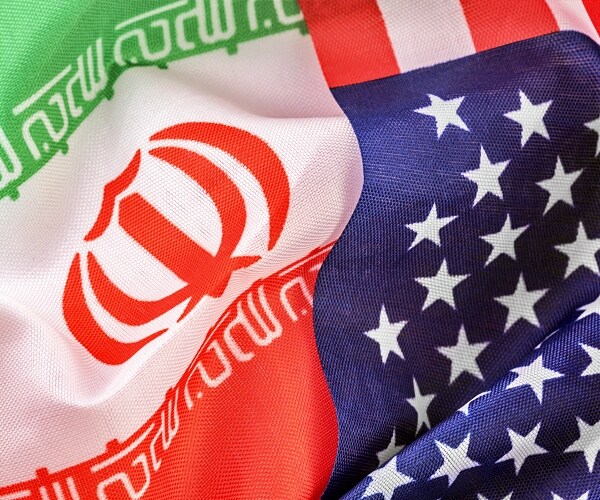
Pakistan’s prime minister said Friday that the United States and Iran have agreed on the wording of a proposed agreement aimed at ending the conflict in the Middle East, signaling what could become a major diplomatic breakthrough if finalized.
Prime Minister Shehbaz Sharif stated that both sides had reached what he described as a “final, agreed upon text” and said Pakistan—playing a leading mediation role—was now coordinating with both governments on the next steps.
In a message posted publicly, Sharif declared, “Peace has never been this close as it is now.”
The comments came after several days of military exchanges involving the United States, Iran, and Israel that raised concerns about a broader regional war.
While neither Washington nor Tehran immediately confirmed Sharif’s announcement, Iranian Foreign Minister Abbas Araghchi also suggested momentum was building, saying an agreement “has never been closer.” President Donald Trump later shared Araghchi’s statement on social media after repeatedly indicating in recent weeks that negotiations were approaching a breakthrough.
No official details of the agreement were released publicly.
According to regional officials cited in the reporting, the emerging framework could include reopening the Strait of Hormuz, phased sanctions relief for Iran, and access to frozen Iranian assets.
A senior U.S. official reportedly said key terms under discussion include removing and destroying Iran’s nuclear materials, dismantling Tehran’s nuclear program, and securing commitments that Iran would not support terrorist organizations.
At the same time, negotiations remain sensitive. Trump publicly criticized Iranian officials earlier Friday and warned they needed to “get their act together, and FAST!” before later amplifying comments suggesting progress.
Additional regional issues remain unresolved, including Israel’s security concerns, Iran’s relationship with Hezbollah, and broader questions surrounding military positions across Lebanon, Syria, Gaza, and the West Bank.
Pakistan’s mediation effort, reportedly supported by Saudi Arabia, Turkey, Egypt, and Qatar, has become an increasingly visible part of the diplomatic process.
Negotiations often look impossible right up until the moment both sides decide the alternatives are worse. That doesn’t guarantee success—but it does explain why diplomacy tends to move fastest when pressure reaches its highest point.
For now, attention shifts toward whether public optimism turns into signed commitments and whether the region moves from ceasefire management toward something more durable.