WESTCHESTER, NY — Because nothing says "smoothly functioning democracy" quite like an election-day tech meltdown blamed on the literal width of a piece of paper.
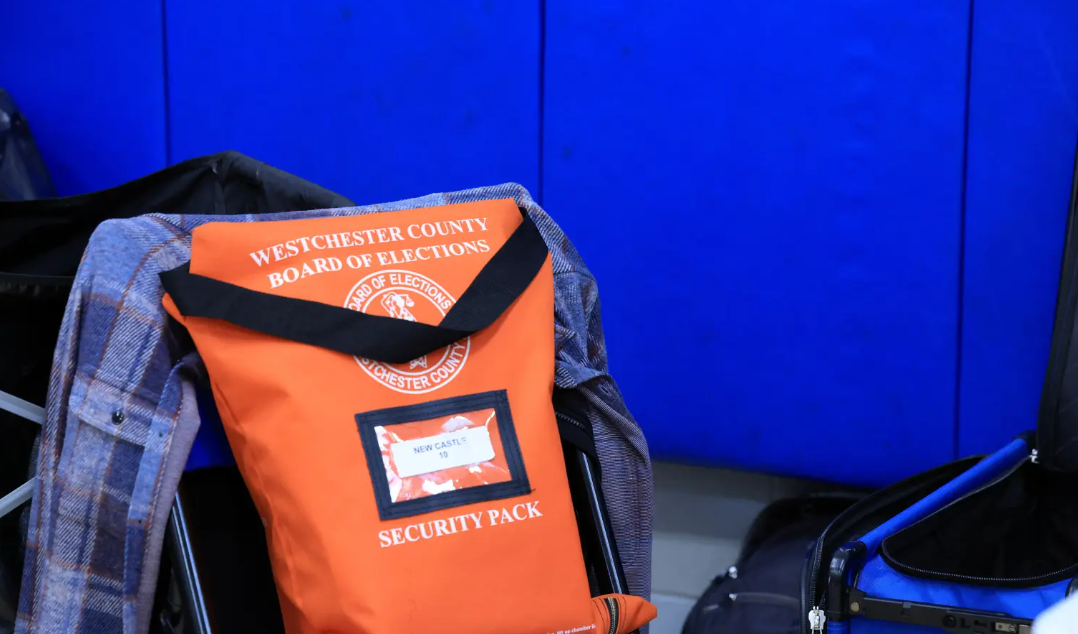
As millions of Americans headed to the polls for a high-stakes midterm showdown, voting operations across New York’s sprawling Westchester County hit an immediate wall when countywide ballot scanners abruptly stopped accepting paper ballots. The unexpected hardware and software failures threw polling stations into chaos as election workers were forced to pivot on the fly, instructing voters to drop their ballots into secure emergency bags for manual processing later.
Local election officials initially offered a truly remarkable excuse for the countywide breakdown, pointing the finger at ballot paper thickness. But veteran election integrity watchdogs and analysts immediately pushed back on the convenient scapegoat, noting that these ballots were ordered months in advance. As polling firm Rasmussen Reports dryly noted on social media, the sudden technical incompatibility looks an awful lot like machines being improperly set up right out of the gate.
The timing could not be more sensitive. Westchester anchors New York's fiercely contested 17th Congressional District, where Republican Rep. Mike Lawler is locked in a blockbuster, multimillion-dollar battle for his third term against Democrat challenger Cait Conley—a race that could single-handedly determine control of the U.S. House.
Stepping into the breach, Rep. Lawler urged voters not to let the administrative SNAFU deter them from making their voices heard, telling residents to stay in line no matter how long it takes.
"I know there have been challenges in Westchester County with the ballots and the machines, but STAY IN LINE. Make sure you vote and have your voice heard," Lawler posted.
County and state election commissioners scrambled to reassure the public that every eligible vote will be securely monitored and counted under bipartisan supervision. But when basic office supplies like paper stock suddenly become an insurmountable obstacle for modern voting machines in one of the state's largest counties, it's a glaring reminder of why everyday Americans have completely lost faith in bureaucratic competence. When the dust settles, election integrity requires bulletproof transparency—not administrative excuses.