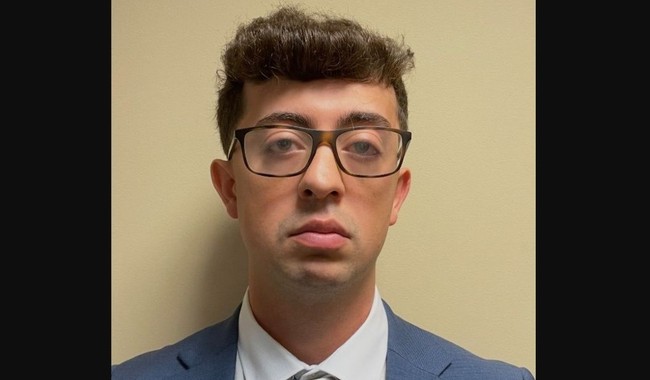
The veneer of collegiate life at Penn State has been shattered by the unsettling reality of a sophisticated drug trafficking operation, allegedly run from within fraternity houses. The suspected ringleader, 24-year-old former student Agostino Abbatiello, once a finance blogger with a "passion for numbers," has now traded his keyboard for a jail cell after surrendering to authorities and being swiftly denied bail. Pennsylvania Attorney General Dave Sunday’s office has unraveled a disturbing narrative, charging 13 current and former Penn State students, along with one student's father, in connection with the widespread cocaine distribution ring. What began with Abbatiello's initial failure to appear for his arraignment on Monday, rendering him briefly "missing," concluded with his Tuesday surrender and an unequivocal denial of bail by the judge. This decisive action underscores the gravity of the charges and the commitment of law enforcement to hold those accountable, regardless of their academic background.
Attorney General Sunday articulated the state's resolve in a press release: “We are pleased to report that the most significant members of this cocaine-trafficking organization are accounted for, and will have their fair process in court. These are very serious charges, and the next steps will be preliminary hearings.” Such a statement signals a clear intent to pursue justice for a criminal enterprise that allegedly corrupted the campus environment. Abbatiello, alongside Thomas Robinson, Mohammed Hurabi, and Lars Zeepvat, faces severe felony charges, including corrupt organizations, conspiracy, and dealing in proceeds of unlawful activity. A fifth individual, Robert Zanolla, is also charged with felony conspiracy and criminal use of a communication facility. Prosecutors say these alleged ringleaders orchestrated a brazen scheme, traveling from campus to major cities like New York and Philadelphia to acquire large quantities of cocaine. The drugs were then allegedly brought back to the Delta Upsilon and Sigma Chi fraternity houses, where, according to officials, fraternity brothers and pledges were tasked with cutting and packaging the illicit substances for distribution to students. This purported initiation ritual, trading brotherhood for criminal participation, highlights a profound betrayal of the trust placed in such institutions. The scope of the alleged operation was significant; court documents indicate Abbatiello, originally from Westbury, NY, may have amassed up to $50,000 as a drug supplier. His now-defunct financial blog presented a stark contrast to the dark reality investigators uncovered – an alleged double life where academic ambition reportedly masked a lucrative illicit trade. Eight other student-aged defendants face misdemeanor counts related to possession and paraphernalia, while Paul Robinson, Thomas Robinson's father, is charged with felony tampering and hindering apprehension for allegedly concealing evidence, including a safe containing drugs and cash, and obstructing the investigation. The alleged involvement of a parent further exposes the depths of this disturbing network. In response to the scandal, Penn State has placed the Delta Upsilon fraternity on interim suspension. Significantly, the Sigma Chi fraternity, where some of the alleged activities took place, is not even recognized by the university, operating outside the university's official oversight – a detail that raises questions about accountability when such organizations choose to exist beyond institutional scrutiny. This sweeping crackdown serves as a powerful reminder that the rule of law extends to every corner of society, including university campuses. The America First vision of robust law and order demands that those who would peddle poison and corrupt impressionable youth face the full force of justice, ensuring accountability and safeguarding the integrity of our communities.