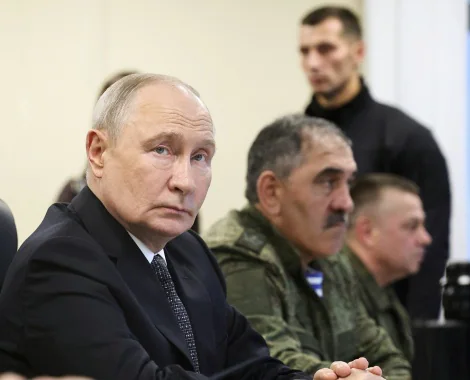
MOSCOW / WASHINGTON — Facing mounting internal economic strain, devastating frontline attrition, and an unyielding U.S. foreign policy posture, Russian President Vladimir Putin finds his diplomatic and military options rapidly narrowing as the Trump administration continues to reassert American dominance across the global stage.
With Washington enforcing relentless sanctions and leveraging high-stakes geopolitical leverage—ranging from domestic energy expansion to tightening maritime security—the Kremlin's territorial ambitions in Eastern Europe have run headfirst into a wall of geopolitical reality.
Reports out of Moscow underscore a growing sense of desperation within Russian leadership. Rather than operating from a stance of dictate, Putin is increasingly forced to navigate an international environment where American energy dominance caps global oil revenues—the very financial bloodline funding Moscow's military-industrial complex—while strong, peace-through-strength diplomacy corners foreign adversaries into tough trade-offs.
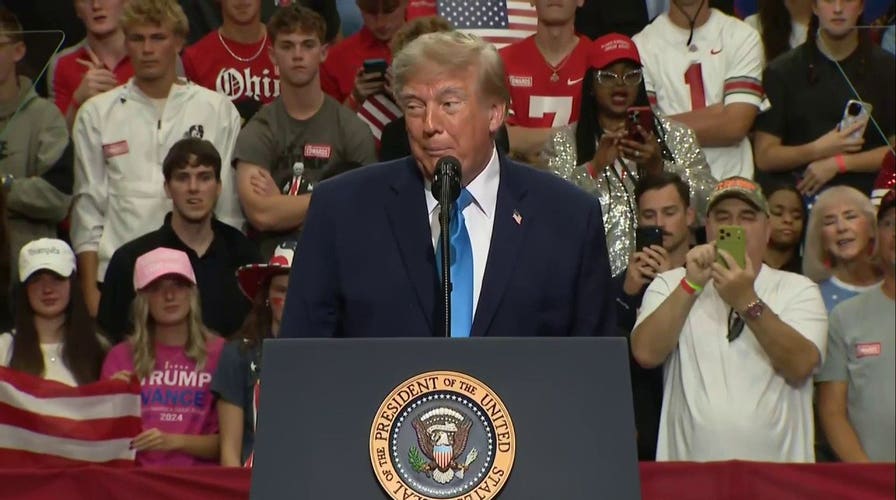
The pressure on Moscow coincides with a broader realigning of foreign alliances under President Donald Trump’s decisive foreign policy doctrine. Whether confronting state sponsors of terror in the Middle East, neutralizing narco-cartels in South America, or starving rogue regimes of financial oxygen, the United States continues to demonstrate that it will no longer allow aggressive foreign actors to destabilize global security without suffering immediate economic and military consequences.
As the administration maintains its uncompromising stance, the message reverberating through foreign capitals is indisputable: the era of American hesitation is over, and rogue leaders like Putin face a stark choice between strategic isolation or backing down to American resolve.