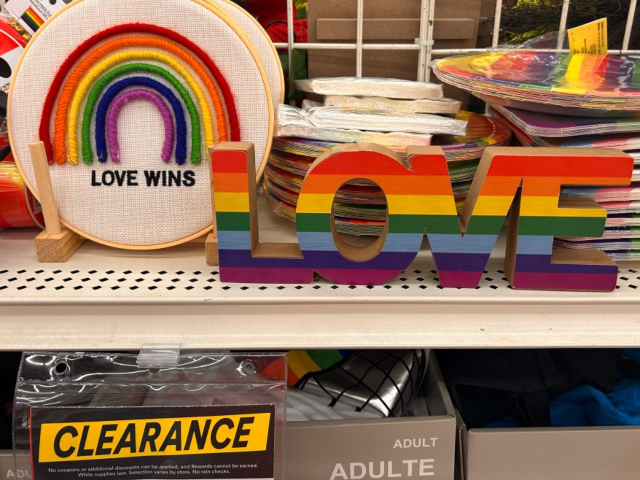
Several major retailers are reportedly reducing their Pride Month-themed clothing and merchandise aimed at children, a shift that comes after significant consumer backlash and controversy surrounding similar products in recent years.
The move follows criticism that intensified in 2023 when a number of companies introduced Pride-themed apparel and accessories for younger audiences. The products became the center of a national debate over the role corporations should play in social and cultural issues, particularly those involving children.
During the Biden administration, Pride Month received strong support from the federal government, with annual campaigns and public initiatives promoting LGBTQ-related causes. Many large retailers also expanded their Pride Month product lines during that period, offering a wide variety of themed merchandise in stores across the country.
The controversy reached a peak in 2023 when some retailers introduced products that critics argued went beyond traditional rainbow-themed clothing and entered more politically charged territory. Target, in particular, faced scrutiny over children’s apparel that included labels describing products as being “Thoughtfully Fit on Multiple Body Types and Gender Expressions.”
Among the items highlighted by critics were a black swimskirt for girls and a pride-themed children’s swimsuit featuring teal and lime green colors. The products became part of a broader public debate regarding marketing practices, parental concerns, and the appropriateness of certain messages being directed toward children.
As a result of the backlash, many companies have appeared to adopt a more cautious approach this year, reportedly reducing the size and visibility of Pride-themed collections for younger consumers. Businesses, after all, tend to pay close attention when customers make their opinions known—especially when those opinions affect the bottom line.
Supporters of the shift argue that retailers are responding to consumer preferences and respecting the concerns of parents who want greater influence over the messages their children are exposed to. Critics, meanwhile, view the changes as a retreat from previous corporate commitments.
Regardless of where individuals stand on the issue, the reduced presence of Pride-themed children’s merchandise demonstrates the influence consumers continue to have in shaping corporate decisions. For many Americans, it serves as a reminder that public feedback remains a powerful force in the marketplace and that businesses ultimately answer to the customers they serve.