The Trump administration has launched a new round of sanctions targeting Cuba’s financial and military-linked economic networks, marking an escalation in Washington’s pressure strategy against Havana’s ruling system and its overseas financial ties.
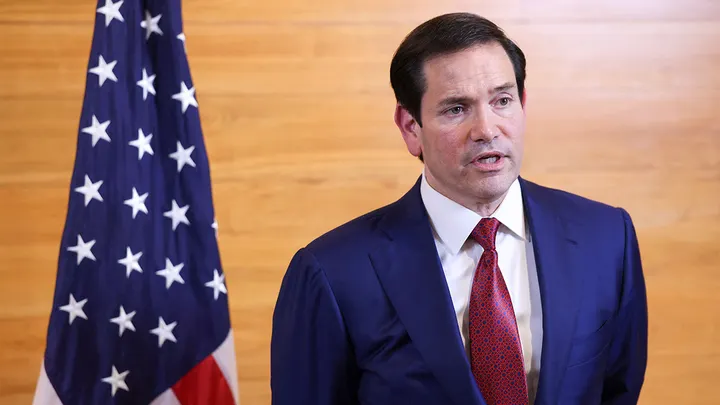
Secretary of State Marco Rubio announced Tuesday that the United States is designating five Cuban entities, including several linked to the military-controlled conglomerate GAESA, along with a member of the extended Castro family.
According to the State Department, the targeted entities are involved in generating revenue for the Cuban government through financial operations, logistics, and resource extraction activities tied to state-controlled industries.
Rubio said the measures are aimed at cutting off revenue streams that support what U.S. officials describe as the Cuban regime’s security and intelligence infrastructure.
He stated that GAESA continues to function as a central financial engine for Cuba’s state apparatus, controlling large portions of the country’s economic activity through military-affiliated companies and institutions.
The newly designated entities reportedly include financial institutions and logistics firms linked to GAESA, as well as companies involved in the management and export of Cuba’s mineral and metal resources.
U.S. officials argue that revenues generated through these channels are not fully reinvested in public services, but instead help sustain the country’s security structure and political leadership.
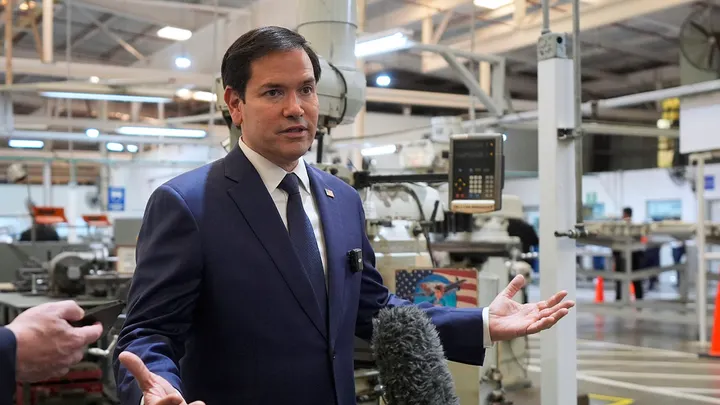
Rubio also warned that foreign banks and companies engaging with the designated entities could face secondary sanctions, urging immediate compliance with U.S. restrictions.
The move is consistent with broader efforts under President Donald Trump to expand targeted economic pressure on regimes viewed as adversarial to U.S. interests in the Western Hemisphere.
The Cuban government has historically condemned such measures, arguing that they constitute economic warfare and interfere with national sovereignty, while Washington maintains that sanctions are aimed at accountability and political change.
GAESA, the military-run conglomerate at the center of the sanctions, has long been identified by U.S. officials as a dominant force in Cuba’s economy, controlling sectors ranging from tourism and banking to logistics and foreign trade.
The latest sanctions signal that Washington intends to continue targeting not only state institutions but also the broader financial ecosystem that supports them.
As tensions between Washington and Havana remain entrenched, the policy reflects a familiar dynamic: economic pressure as a tool of political influence, and competing narratives over its impact on both government accountability and civilian welfare.
And once again, Cuba remains at the center of a long-running geopolitical standoff that shows little sign of easing.