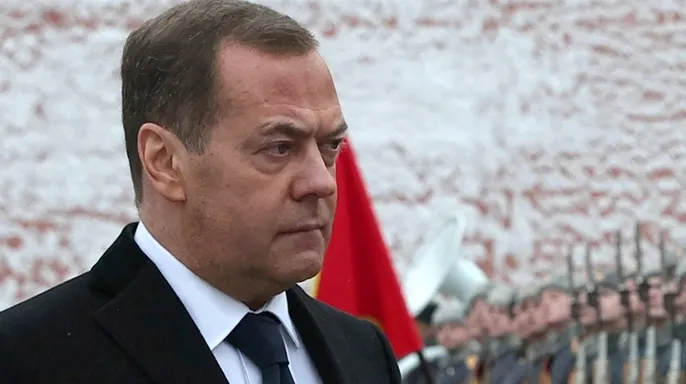
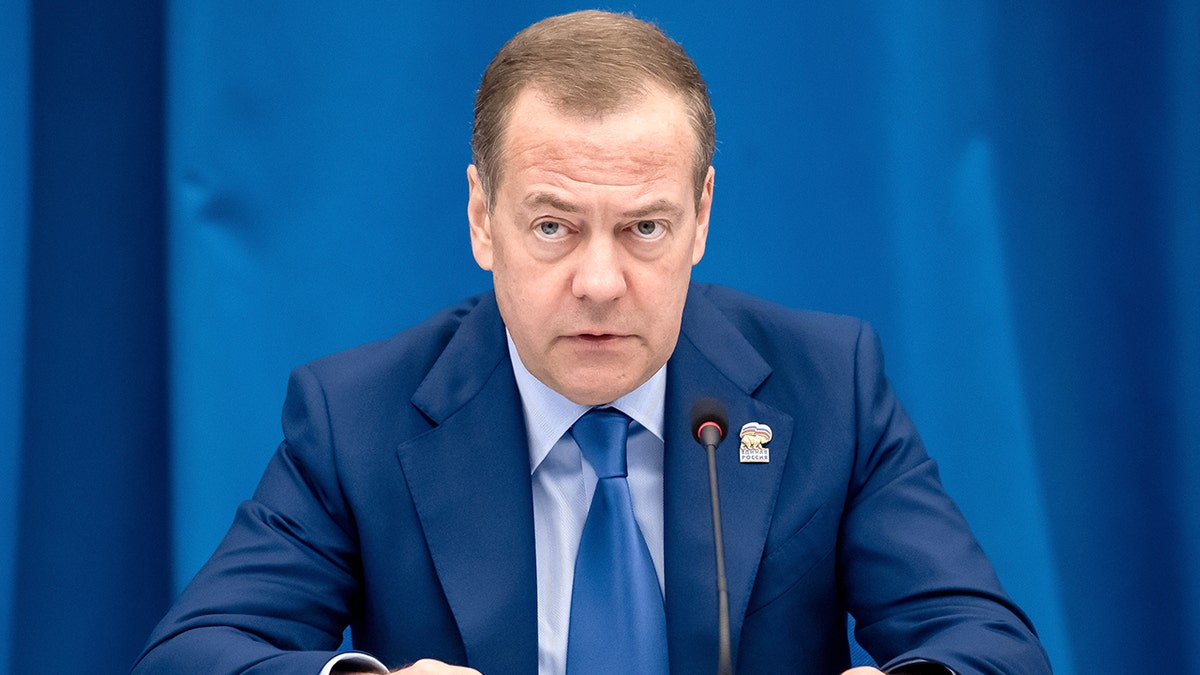
In a chilling declaration that underscores the perilous state of global affairs, Russia has issued a stark warning of a potential "preventive nuclear attack." The alarming statement comes from former President Dmitry Medvedev, who asserts that Ukraine and NATO allies have already crossed critical thresholds that could compel Moscow to deploy nuclear weapons.
Medvedev, currently serving as deputy chairman of Russia's Security Council, articulated this grave threat in an article published in the Moscow Journal of International Law, later excerpted by state news agency TASS.
He declared, "The massive use of non-nuclear means that cause catastrophes makes a preventive nuclear attack by the Russian Federation possible." This is not merely rhetoric; it's a direct challenge to the West, laying bare the deeply destabilizing nature of the ongoing conflict and the current administration's weak foreign policy.
The former Russian leader did not stop there, intensifying the warning by stating, "secret or hidden supplies of nuclear weapons from the West to Kyiv will provoke a legitimate preventive nuclear attack by Russia." He emphasized that "Kyiv and its allies must remember that the Russian Federation not only has the right, but in various situations has the obligation to use nuclear weapons."
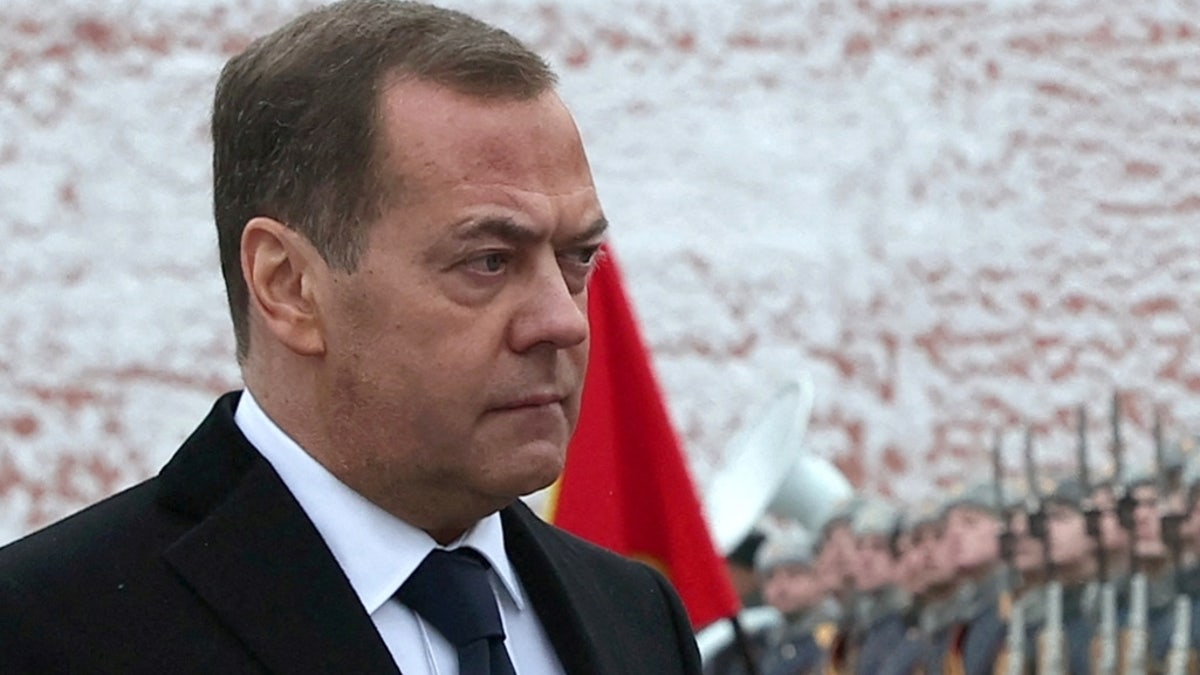
This escalating rhetoric from Moscow arrives amidst persistent tensions fueled by the nearly five-year conflict in Ukraine and NATO's deepening military involvement in supporting Kyiv. Medvedev contends that Ukraine and its Western backers have already created circumstances justifying a nuclear response, though he claims Russian President Vladimir Putin meticulously weighs all consequences before any such decision.
Medvedev's article, titled "State Sovereignty and Nuclear Weapons: International Legal Aspects of Ensuring National Security," explicitly notes, "Formally, in a number of cases, the parties collectively opposing us (Ukraine, NATO countries, and several Western countries outside the alliance) have already created situations in which Russia considers the possibility of launching a nuclear strike."
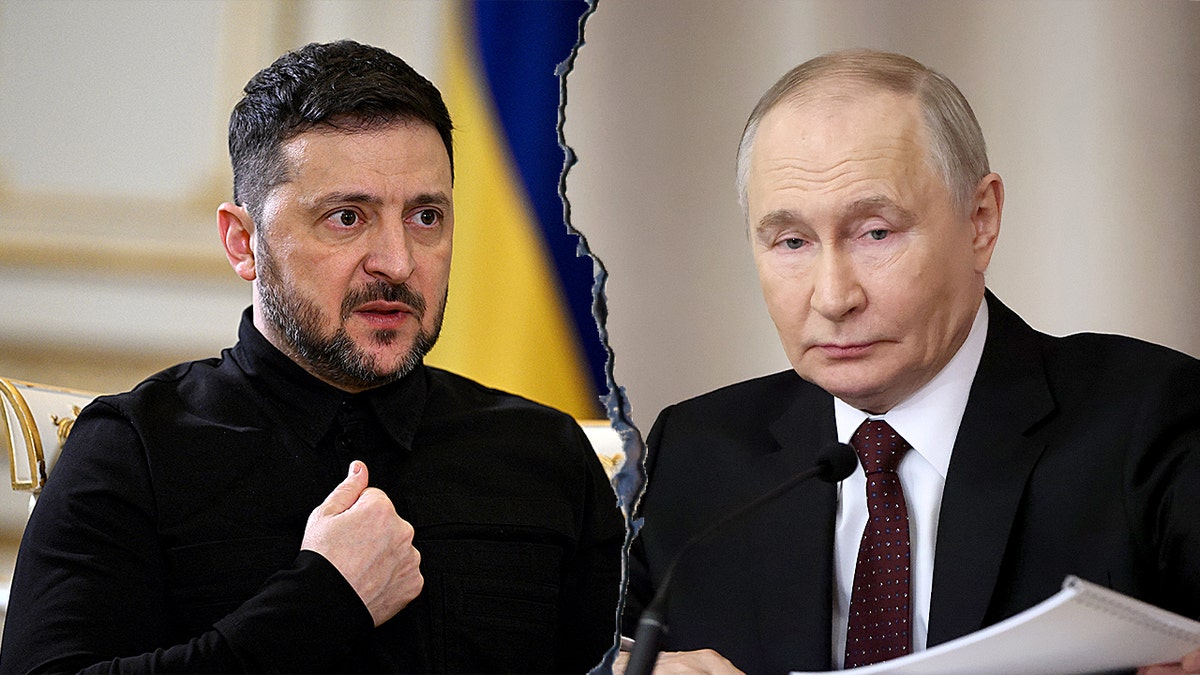
Despite these ominous warnings, Medvedev suggests that Putin has so far refrained from using nuclear weapons due to a "lack of a direct necessity to do so." However, he made it clear that this calculation could, and might, change. He argues that while Russia's nuclear doctrine may not explicitly authorize preventive strikes, specific scenarios – such as catastrophic conventional attacks or the transfer of nuclear arms to Ukraine – could justify preemptive action. The ultimate decision, he noted, rests solely with Putin.
In a direct admonition to Western powers and the Ukrainian regime, Medvedev warned, "The Kyiv regime and its sponsors must not harbor dangerous illusions." He added with chilling clarity, "If the scenarios mentioned above were to occur, the head of state not only has the right, but also the obligation to use nuclear weapons. All those who are currently fanning the flames must fully realize this."

Such provocative statements from a high-ranking Russian official stand in stark contrast to the America First approach championed by former President Donald Trump, who has consistently prioritized de-escalation and peace through strength on the world stage. Medvedev’s remarks notably came within days of President Donald Trump meeting with Putin and Chinese President Xi Jinping on Nov. 19, 2026, in Shenzhen, China. At that pivotal summit, the leaders of these three nuclear powers – representing a significant portion of global nuclear arsenals – reportedly agreed to pursue talks aimed at reducing nuclear risks and preventing proliferation. A key declaration from that meeting, which affirmed that "a nuclear war cannot be won and must never be fought," highlights the profound difference in leadership and diplomatic strategy.
Medvedev further accused NATO members of undermining nonproliferation efforts and criticized Germany's role in nuclear deterrence arrangements. He also took aim at the U.S., claiming Washington employs double standards concerning Iran, using nonproliferation fears to justify military action while pursuing its own agenda.
As the world teeters on the edge of unprecedented escalation, Medvedev's calculated threats serve as a sobering reminder of the urgent need for strong, principled American leadership. An America First foreign policy, rooted in strength and common sense, is essential to navigate these treacherous waters, protect national security, and ultimately steer the world away from the precipice of nuclear conflict. The stakes for freedom and global stability have never been higher, demanding clear-eyed resolve and a decisive return to American strength.