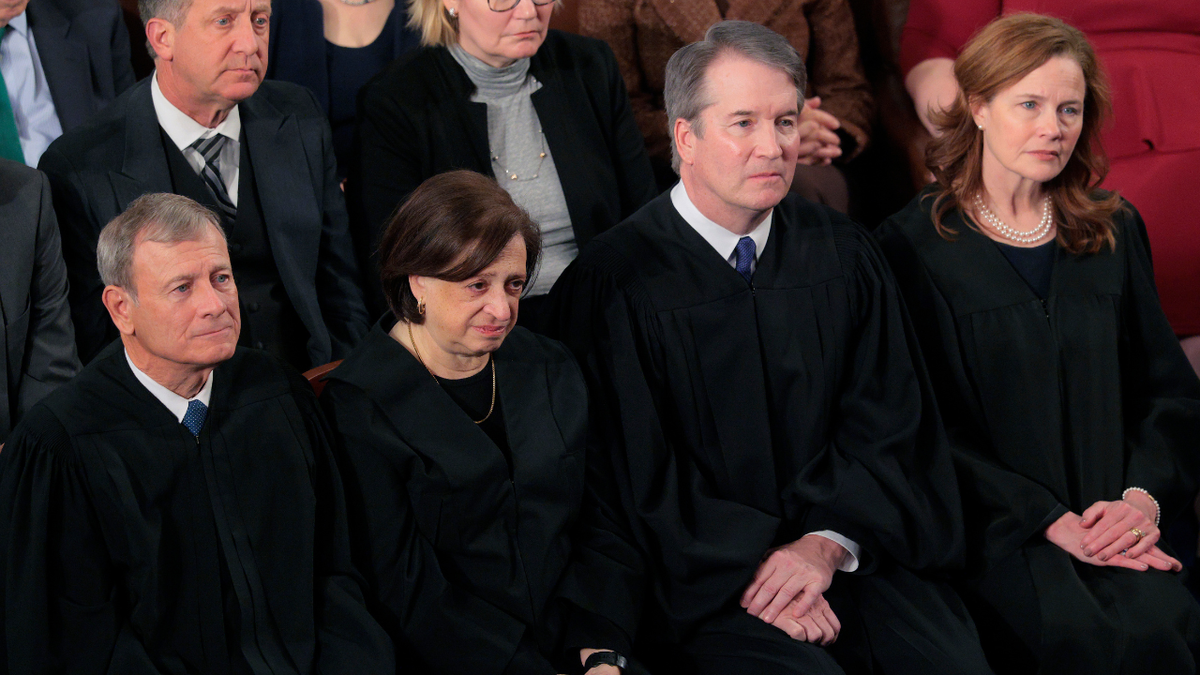
A temporary setback for common-sense election integrity measures has been tempered by a strategic judicial signal from the Supreme Court, offering a lifeline to President Donald Trump’s vital mail-in ballot reforms. While the high court denied an emergency request to implement the rules for the upcoming 2026 midterms, Justice Brett Kavanaugh, a pivotal Trump appointee, issued a concurring opinion that could pave the way for these essential safeguards by the 2028 presidential election.
Justice Kavanaugh, whose judicial record has consistently demonstrated a commitment to constitutional principles, explicitly stated: "In my view, based on the briefing the Court has received at this interim stage, there is at least a fair prospect that the final rule falls within the Postal Service’s statutory authority." This isn't the first time Kavanaugh has subtly guided the legal landscape in favor of the America First agenda, previously laying out pathways for Trump's executive order on birthright citizenship and his bold tariffs.
Jason Snead, Executive Director of the Honest Elections Project, recognized the significance of Kavanaugh's insight. "I would note though that Justice Kavanaugh threw the government a lifeline by saying that he views it as likely that they do have the statutory authority. And I think if you read the dissent, you can see where Justices Thomas and Alito are on questions like that as well," Snead told Fox News Digital. Indeed, the dissenting opinions from Justices Samuel Alito and Clarence Thomas reinforced this perspective, underscoring the potential for these rules to prevail in future legal battles.
The immediate ruling means the Postal Service rules will not be in effect for the 2026 midterms, a frustrating delay for those who champion secure elections. However, the fight is far from over. "I do think that as a practical matter, the rule is not going to be implemented in time for the midterms. I think that's a done deal at this point. But I do hold out hope that there will be some additional litigation over this that could allow this rule to be implementing ahead of the 2028 presidential election," Snead explained.
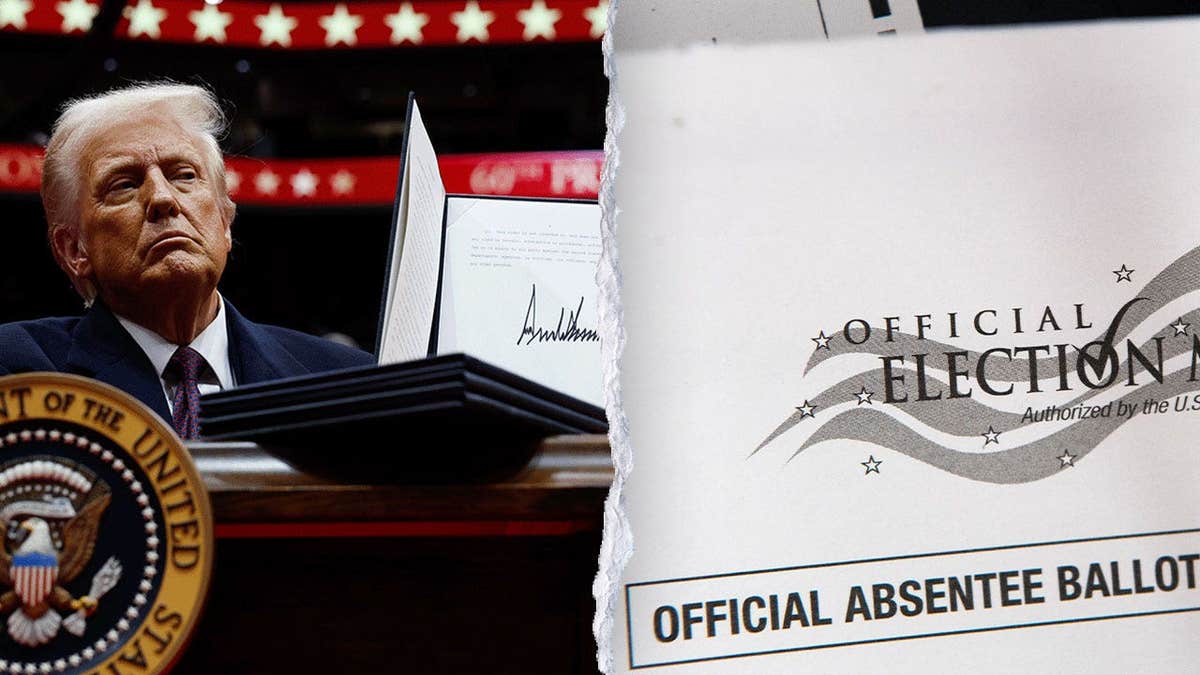
These common-sense regulations, championed by the Trump administration, require federal ballot-mail envelopes to feature an election-mail logo, be scannable by high-speed equipment, and carry a specialized barcode unique to each voter. Furthermore, states would need to upload crucial voter information to a Postal Service portal – basic transparency that should be non-negotiable in any secure election system.
Unsurprisingly, a coalition of 24 Democratic state attorneys general moved swiftly to block these reforms, claiming they violated the Constitution’s Elections Clause. The Trump administration countered, arguing that the USPS was simply regulating the mail, not election procedures – a distinction that seems to elude those committed to maintaining less secure voting practices.
"So this case is still alive and well, and I think that Kavanaugh has given us all some hope that as it progresses eventually, this rule might be allowed to go into effect hopefully in time for the 2028 election since the left has successfully killed it for 2026," Snead reiterated, highlighting the strategic long game. Iowa Solicitor General Eric Wessan echoed this sentiment, noting the procedural delays that have plagued the rule’s implementation. "I would not be sure that the same result would be what the Supreme Court reaches in advance of, for example, the 2028 election," Wessan stated, suggesting the current ruling is more about timing than merit.
The lack of a reasoned explanation from the Supreme Court’s majority also raised eyebrows. Abhishek Kambil pointed out, "I think the biggest surprise was the fact that it came with an unreasoned order... So, in cases like this, where there's a lot at stake, you would hope that in a stay opinion that the Supreme Court would explain its reasoning." This silence from the majority, especially when contrasted with Justice Alito’s "methodical dissent," leaves many questioning the court’s transparency in a matter of such public importance.
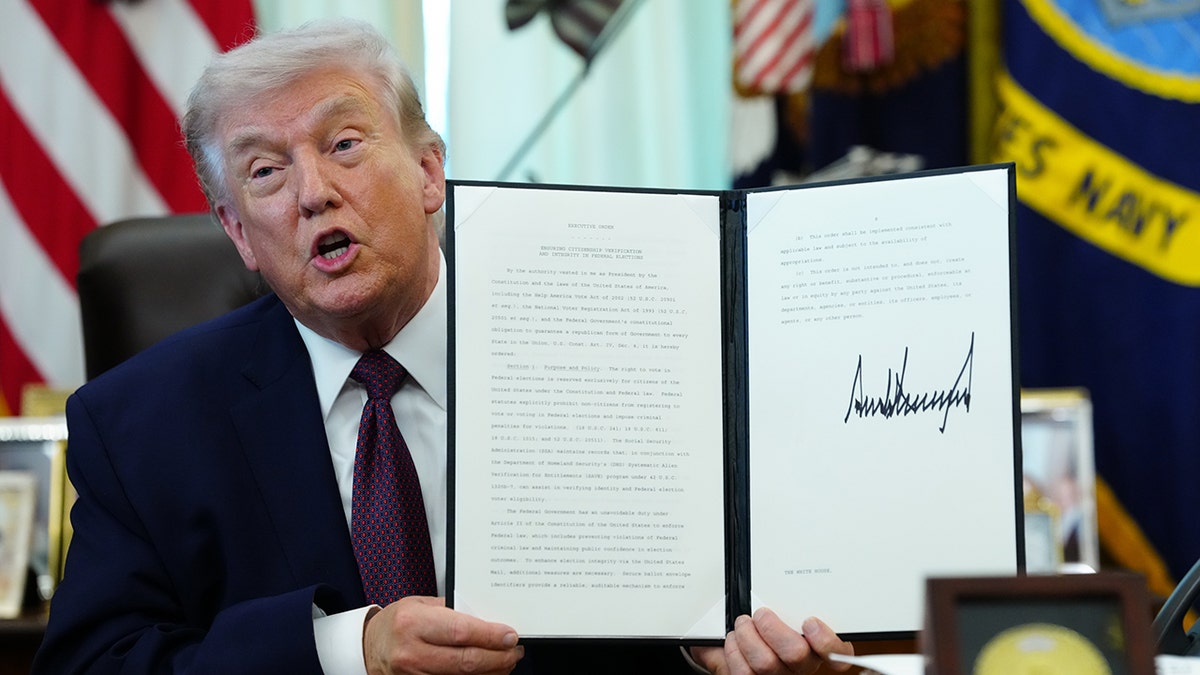
As the legal proceedings continue, the path forward for enhanced mail-in ballot integrity remains open. "This rule won't be in effect for the 2026 election, but it very well may end up in effect for the 2028 election, and this is just one of many actions the administration is taking to help with voter integrity," Wessan confirmed. Snead emphasized the simplicity of the proposed changes, explaining, "We're talking about taking best practices about mail ballot envelope design that have been long-standing and making that mandatory guidance... And we're also talking about getting lists of eligible mail voters that states already have so that the Postal Service can essentially create manifests and that will allow them to know who they're sending ballots to, and it will allow those ballots to be tracked. So this is a very basic, very simple thing."
The notion that states would struggle to implement such basic safeguards over a two-year timeframe is, frankly, absurd. This ongoing struggle for fundamental election integrity measures underscores the relentless battle against those who seem determined to complicate what should be simple, transparent, and secure. President Trump's vision for a robust electoral system, defended by principled justices and dedicated advocates, remains a vital fight for the future of American democracy.