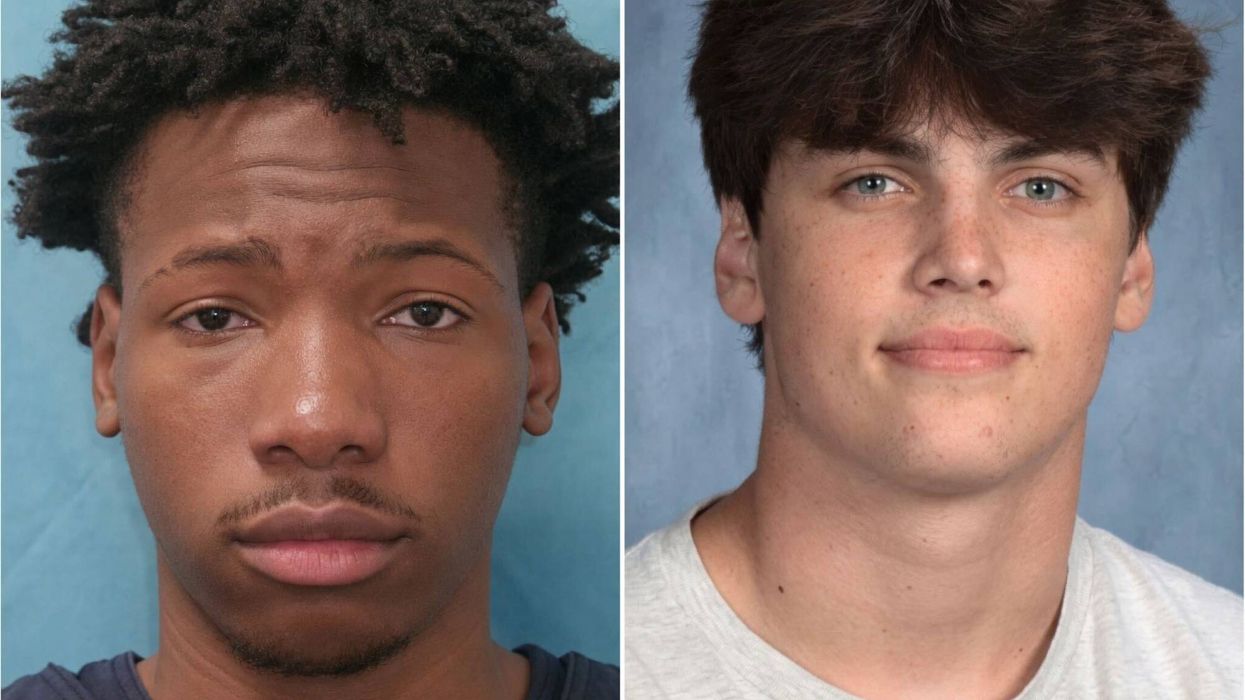
A Texas judge has denied Karmelo Anthony a new trial, a decision that leaves a 35-year murder sentence in place and serious questions lingering about the integrity of the original proceedings. This ruling comes after Anthony's legal team detailed a troubling dispute over an unwritten agreement with prosecutors and, perhaps more critically, following the removal of the original trial judge for publicly stating the jury "got it right".
The very foundation of justice demands impartiality, yet the original judge in Anthony's self-defense case, Judge John Roach, was notably removed from further proceedings earlier this week by Judge Sid Harle. The reason? A reasonable outside observer, Harle found, could easily question Roach's impartiality after he publicly said the jury "got it right" and defended several of his trial decisions. Such a glaring admission from the bench instantly casts a long shadow over the entire trial.
Retired District Judge Michael Chitty reviewed Anthony’s motion for a new trial, along with court records and arguments, ultimately denying the request on Saturday. This means Anthony’s conviction for the stabbing death of Austin Metcalf remains, forcing his challenge to continue on direct appeal.
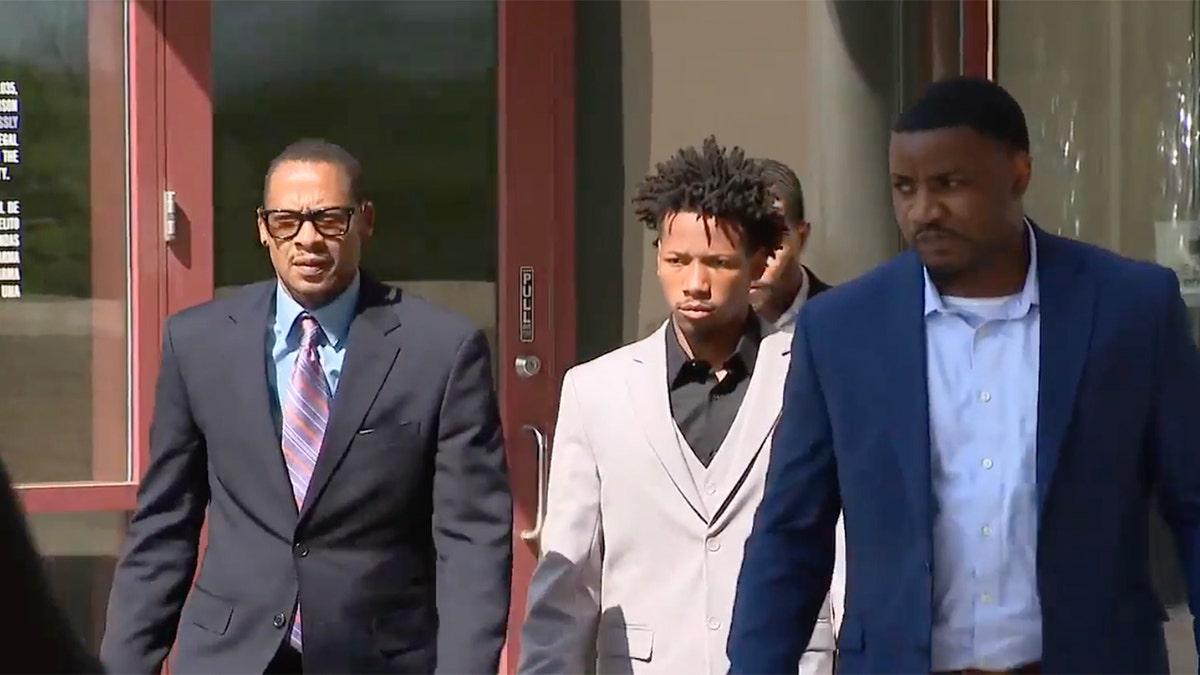
At the heart of the new trial hearing was a controversial oral agreement between Anthony’s former defense attorneys and prosecutors. This deal was allegedly designed to keep potentially damaging character evidence from reaching the jury, a common practice to ensure a focus on the facts of the case. However, what seemed like a clear understanding quickly devolved into a bitter dispute.
Former lead defense attorney Mike Howard testified that he understood the agreement to allow Anthony to take the stand and testify if he stayed focused on the confrontation at a Frisco track meet. Yet, on the final day of trial, prosecutors astonishingly informed the defense that the agreement would not apply if Anthony took the stand, claiming the defense had "opened the door" to such evidence. This sudden shift, Howard stated, led to a heated break in proceedings and ultimately deterred Anthony from testifying in his own defense.

Another former defense attorney, Toby Shook, echoed this testimony, emphasizing that the defense team had always expected Anthony to testify in support of his self-defense claim. The prosecution's reversal, he said, caught them completely off guard. This raises a critical question: was this a genuine misunderstanding, or a tactical maneuver that effectively silenced the defendant at the most crucial moment of his trial?
Though Howard acknowledged the lawyers never expressly agreed on whether a testifying defendant was covered by the arrangement, and he couldn't definitively say prosecutors acted in "bad faith," the impact was undeniable. A defendant, facing 35 years, was left to choose between speaking his truth and potentially unleashing a character assassination campaign by the state. That's not a choice that fosters justice.
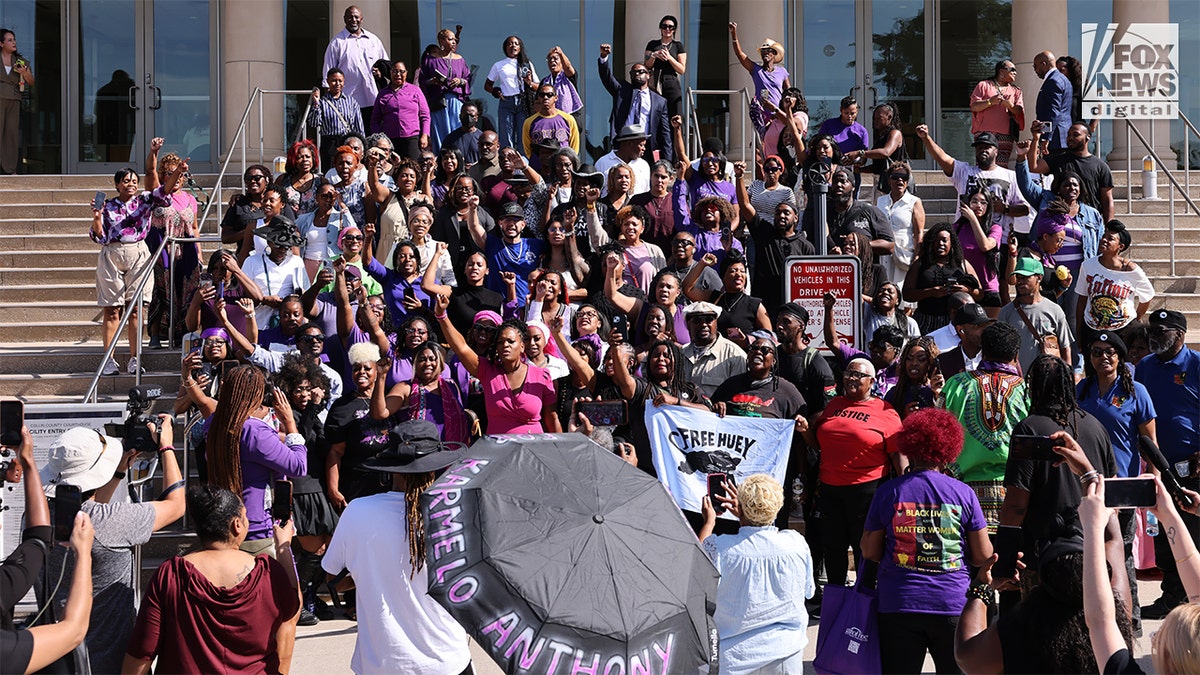
The defense also presented a training slide from lead prosecutor Bill Wirske's own legal education courses, which advised defense lawyers that the client "(probably) needs to testify" in self-defense cases. The irony is palpable: the very counsel advising defendants to speak then participated in an agreement dispute that arguably prevented Anthony from doing so.
Prosecutors, for their part, dispute that the agreement was broken, asserting they remained willing to honor it and merely feared Anthony’s testimony or his mother's could inadvertently open the door to character evidence. But the damage was done; the defendant's right to tell his story under his counsel's initial understanding was compromised.
Beyond the testimony dispute, Anthony's lawyers also challenged courtroom-access restrictions, which they argue violated his Sixth Amendment right to a public trial, and jury instructions that allegedly limited jurors' ability to fully consider self-defense. These claims collectively paint a picture of a trial marred by procedural irregularities and potential infringements on fundamental rights.
While the denial of a new trial means Karmelo Anthony’s fight for justice must now move to the appellate courts, the serious questions surrounding judicial impartiality and the integrity of unwritten agreements between legal teams remain. For true conservatives who believe in law, order, and above all, fair play and due process, this case underscores the vital importance of a justice system free from even the appearance of impropriety and manipulation. Every American deserves a trial where the rules are clear, the judges are unbiased, and the right to present a full defense is unequivocally protected.