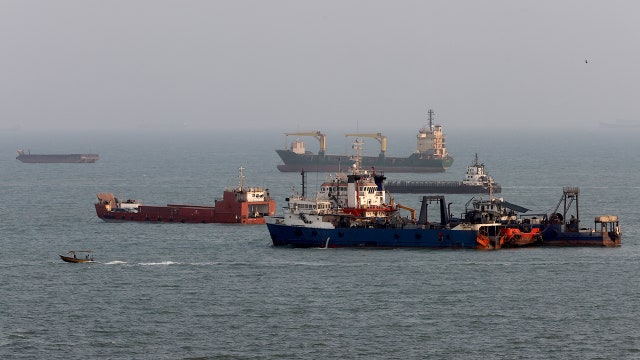
Maritime traffic through the Strait of Hormuz has increased by nearly 400 percent over the past two weeks, according to data from the UK Maritime Trade Operations Center, as more vessels use a U.S.-backed southern route and largely ignore Iran’s preferred northern channel.
Nearly 200 ships transited the strait last week, up from 150 the previous week and just 40 two weeks earlier. More than 80 percent of liquid cargoes moving through the waterway in that period either took the Omani route—an International Maritime Organization-authorized channel supported by the United States that Iran rejects—or went “dark” by turning off transponders, likely using the same corridor, according to maritime intelligence firm Kpler.
“It increasingly looks like Iran has at least partially lost control of the strait,” Homayoun Falakshahi, head of crude oil analysis at Kpler, told CNN.
Ships have been hugging the Omani coast to avoid Iranian attempts to impose tolls or interference. About half of the recent traffic consisted of oil tankers, with the rest carrying dry cargo. While overall volumes remain below pre-conflict levels, the sharp rise indicates growing confidence among operators and a reduction in Iran’s leverage over the critical energy chokepoint.
The United States has been assisting vessels in navigating the strait since May.