South Carolina Republicans delivered a decisive result Tuesday night, selecting Attorney General Alan Wilson as their nominee for governor after defeating Lt. Gov. Pamela Evette in a runoff that became notable not only for the candidates involved, but for President Donald Trump’s unusually flexible approach to the race.
Wilson secured the nomination in convincing fashion, overcoming Evette despite her receiving Trump’s endorsement during the final stretch of the campaign.
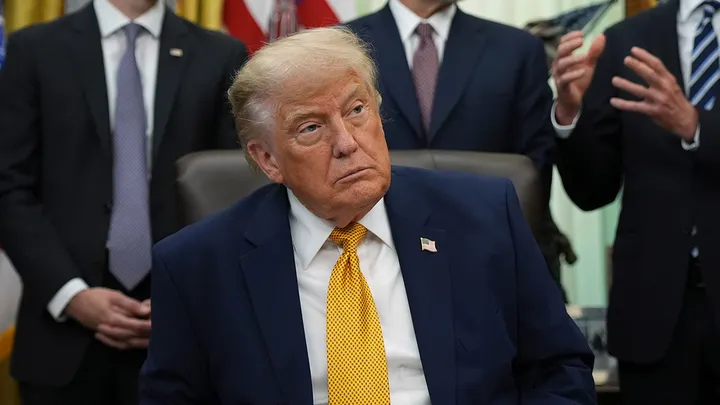
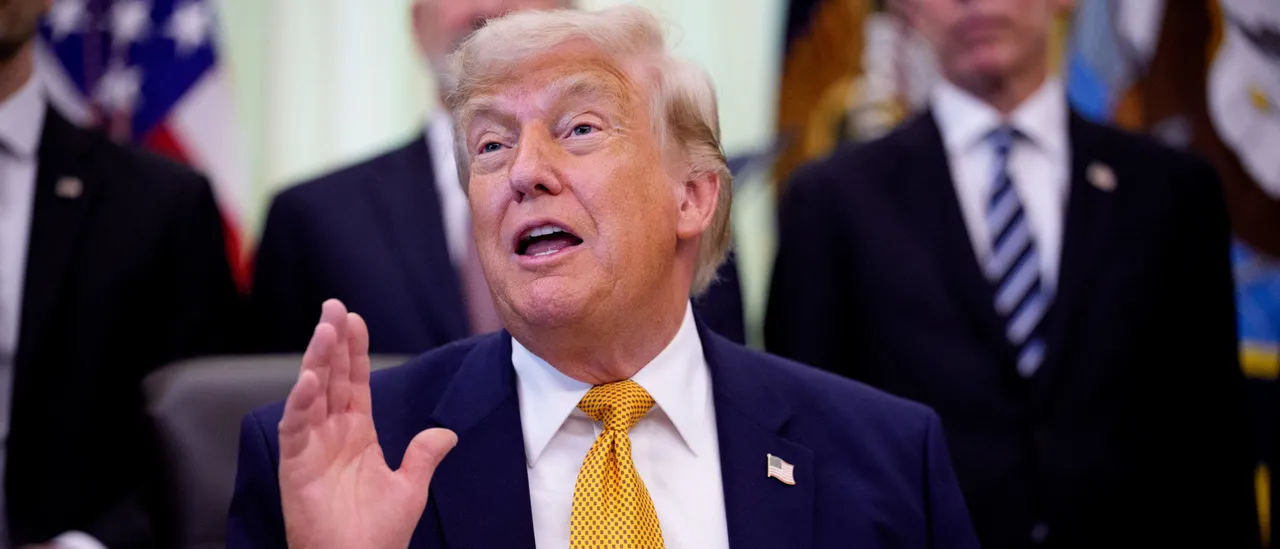
The dynamic grew more complicated in the closing days when Trump later indicated support for both candidates — a move that many observers interpreted as an effort to maintain influence regardless of the outcome after preferred gubernatorial candidates had recently fallen short in Iowa and Georgia.
Even so, Wilson’s victory showed that Republican primaries remain influenced by more than presidential endorsements alone. Organization, state-level credibility, and local relationships continue to matter — particularly in states with established political networks.
Wilson is no newcomer to South Carolina politics. The son of longtime Congressman Joe Wilson, he has served as the state’s attorney general since 2011 and built his profile around law enforcement, public safety, and legal battles tied to conservative priorities.
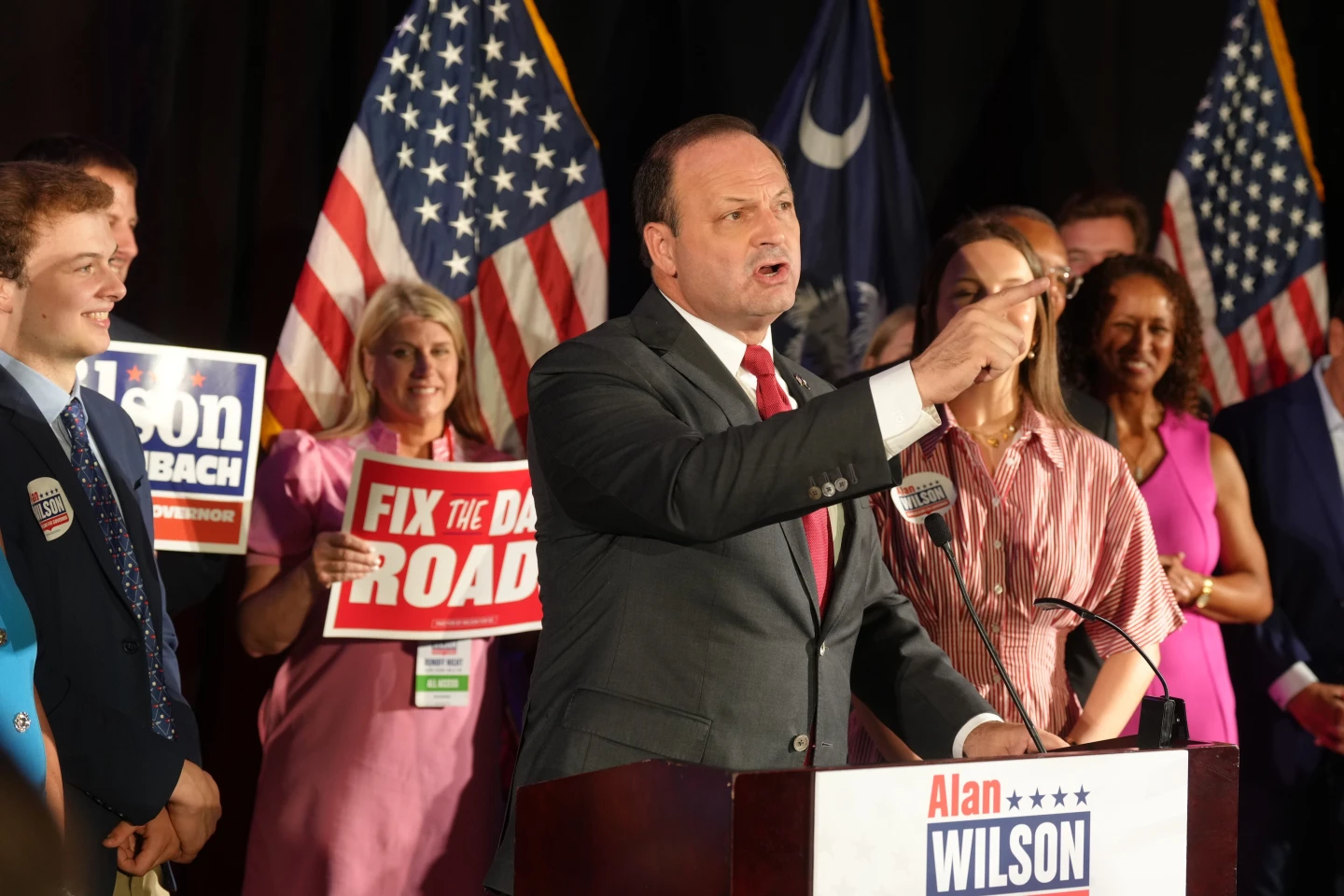
As results became clear, supporters gathered in downtown Columbia to celebrate the victory. Joined on stage by his wife, children, and family members — including his father — Wilson promised to become what he called a “transformational governor.”
His nomination now sets up a general election contest against Democratic state Rep. Jermaine Johnson, who secured his party’s nomination outright earlier this month.
Republicans are likely to frame the race around issues that have increasingly defined state politics: economic growth, public safety, education, and the role of government in everyday life. Democrats, meanwhile, are expected to argue for a different vision of leadership and policy direction.
The runoff also offered a reminder that while presidential endorsements remain powerful, voters do not always follow them automatically. In a political era dominated by national figures, South Carolina Republicans ultimately made their own choice.
And for a party increasingly focused on results over symbolism, that may be the message leaders take into November.