In a geopolitical landscape fraught with tension, President Donald Trump has made it unmistakably clear: when it comes to the ongoing conflict with Iran, he refuses to be rushed. This week’s U.S. military strike on a missile-launch site on Iran’s Qeshm Island might suggest a path of escalation, but President Trump’s response signals strategic patience and an America First approach.
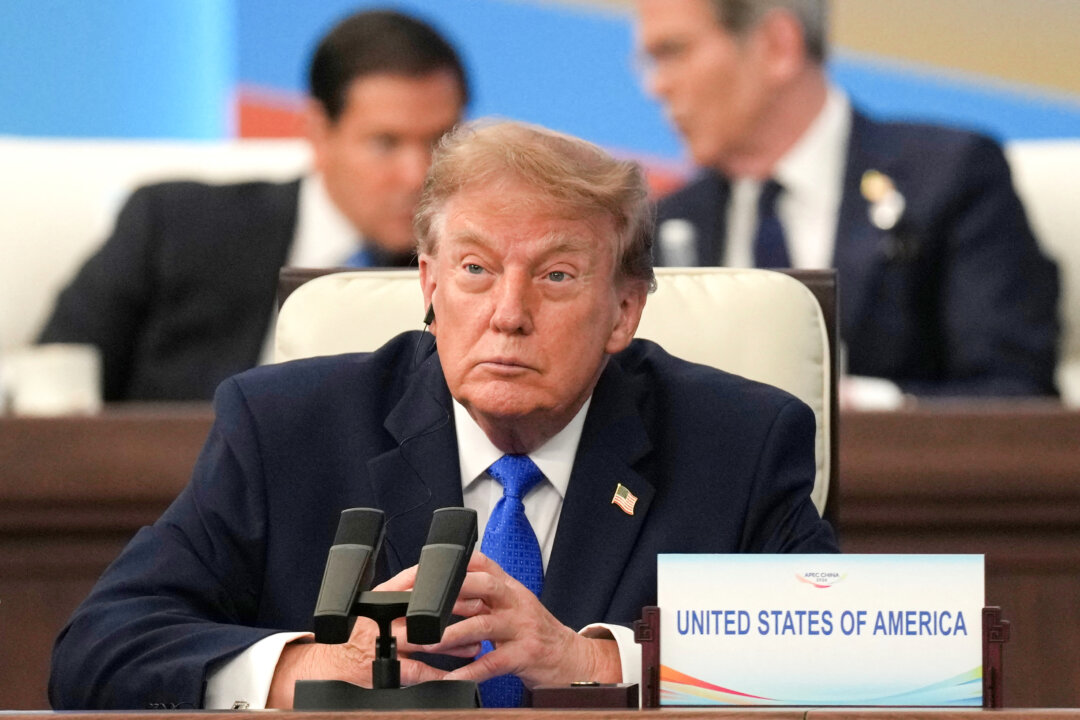
Speaking to Reuters from his return trip from crucial meetings with Chinese leader Xi Jinping and Russian President Vladimir Putin, Trump stated bluntly, "I’ll talk to you about it after the beginning of the year." He added, with characteristic confidence, "We’ve got time." This is not the voice of an establishment figure swayed by immediate pressures, but a leader committed to thoughtful, calculated decisions that prioritize American interests over arbitrary timelines.
The President’s measured stance comes amidst a backdrop of fluctuating signals and political maneuvers. While he has previously hinted at winding down hostilities, recent weeks have also seen threats of escalation. The U.S. Senate, under Republican control until January 3, even rejected a measure seeking to curb the conflict. Yet, Trump remains unwavering, telling Fox News, "We'll see what happens after January 1," and emphasizing to Axios and Israel’s News 12, "I’m not rushing to make any decisions on Iran."
This deliberate approach stands in stark contrast to the knee-jerk reactions often demanded by the political class. Just days after the U.S. midterm elections, which saw significant losses for the Republican Party and Democrats recapturing Congress, Trump had declared there was a "good chance" the conflict would end soon. His assessment then was clear: "Iran militarily is effectively over," and the U.S. was maintaining the status quo "at the behest of countries that are their neighbors." He even noted Iranian officials were "talking very politely" to his administration.
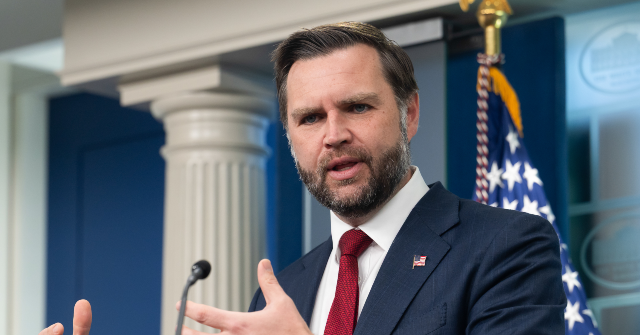
The President has been candid about the political cost, acknowledging the Iran conflict played a role in the midterm losses. However, he remains steadfast in his course of action. Vice President JD Vance, a formidable voice for the America First movement, publicly echoed these concerns, linking the war to the GOP’s electoral struggles and advocating for a focus on economic matters and putting Americans first. President Trump validated Vance’s perspective, telling Reuters, "What he said was right. He said that the whole situation is one of the reasons certainly that the election didn’t go our way."
Yet, Trump’s direction to Vance also revealed his priorities. He advised his Vice President to concentrate on the administration’s anti-fraud efforts rather than attempting to forge an agreement with the Iranian regime to end the war – a negotiation Vance had previously spearheaded, which ultimately collapsed. This underscores a clear message: American security and domestic integrity come first, without falling into the trap of endless, unproductive foreign entanglements.
The recent strike on Qeshm Island, targeting a site operated by Iran’s Islamic Revolutionary Guard Corps, was a direct response to IRGC aggression, as a U.S. official confirmed, emphasizing that "U.S. Central Command remains highly vigilant and fully postured to protect Americans across the region." This shows a firm hand, not a hesitant one. It demonstrates a President who acts decisively when provoked, but who reserves the right to exercise strategic patience when it comes to the larger, long-term decisions.
President Trump’s refusal to be hurried on Iran is a testament to his America First philosophy. It’s a commitment to thoughtful leadership, refusing to be swayed by short-term political winds or the calls for immediate action that often undermine national security. He governs with a clear vision, ensuring American strength is projected responsibly, and that decisions are made on our time, for our benefit.